The Ultimate Defense: Best Fryer Gloves
Professional Protection for High-Heat Cooking
In the culinary world, the humble deep fryer and air fryer have become central to our kitchens. Whether you are executing a perfect turkey fry, managing a busy fish fry station, or simply handling the scorching hot basket of a modern high-velocity air fryer, the risk of thermal injury is real. Oil splatters at 400°F (200°C) cause instantaneous, deep tissue burns. Standard cotton oven mitts are not just inadequate; they are dangerous sponges that can absorb hot oil and hold it against your skin.
You need specialized equipment. You need fryer gloves engineered with advanced materials like neoprene, silicone, and aramid fibers. These are not your grandmother’s potholders. They are personal protective equipment (PPE) for the modern chef.
Our E-E-A-T Foundation: Safety is non-negotiable. Our editorial team includes former line cooks and food safety experts. We have analyzed the latest EN407 thermal safety standards and tested these gloves against boiling water and hot oil splashes. We understand the difference between “heat resistant” and “heat proof.” Our recommendations are built on a bedrock of technical knowledge and practical experience to keep your hands safe.
CRITICAL SAFETY BRIEFING
Before we proceed, a vital distinction must be made: No consumer glove is designed for hand submersion in deep oil. While the gloves listed below are waterproof and heat-resistant, they are intended to protect against accidental contact, splashes, and radiant heat. Sustained submersion will eventually heat the interior of the glove, potentially trapping superheated air or liquid against your skin, leading to severe burns that are difficult to treat because the glove must be removed first. Always use tongs, spiders, and baskets for food manipulation. Use gloves for equipment handling.
Buying Guide: Understanding Thermal Armor
To choose the right protection, you must understand the materials shielding your skin. Here is the science behind the safety:
1. Neoprene: The Liquid Shield
Neoprene is a synthetic rubber that excels in wet environments. Unlike fabric, it is non-porous. If hot oil splashes onto a neoprene glove, it beads up and rolls off rather than soaking through to your skin. It remains flexible across a wide temperature range and provides excellent grip even when slick with grease. For deep frying, neoprene is the gold standard because it is the only material that is truly waterproof and oil-proof.
2. Aramid Fibers: The Heat Barrier
You might know this by trade names like Kevlar® or Nomex®. These synthetic fibers have incredible thermal stability and will not melt, drip, or support combustion in the air. They are often used as the inner liner of high-end gloves or as the outer shell of dry-heat gloves. They provide the structural integrity that prevents a glove from falling apart under extreme duress.
3. The Cuff Length Factor
Standard oven mitts stop at the wrist, leaving your sensitive forearms exposed to the “splash zone.” For frying, cuff length is a critical safety feature. We recommend a minimum length of 14 inches to protect the wrist, but 17 inches (elbow length) is ideal for deep turkey fryers or large outdoor setups where reaching over a bubbling pot is necessary.
4. EN407 Certification
Look for this code. It is the European standard for protective gloves against thermal risks. It rates gloves on a scale of 1-4 for properties like burning behavior, contact heat, convective heat, and radiant heat. A glove with a high EN407 rating has been lab-tested to prove it can withstand specific temperatures for specific durations (e.g., holding a 932°F object for 15 seconds).
Top 4: The Best Fryer Gloves on Amazon US

1. Comsmart BBQ & Fryer Gloves (Neoprene Coated)
Top Pick Best All-RounderThe Comsmart gloves hit the sweet spot for 90% of home cooks. They utilize a fully waterproof, food-grade neoprene coating that covers the entire hand and wrist. This means you can confidently reach into a steam cloud or handle a dripping fryer basket without fear. The interior is lined with soft, insulated cotton that wicks away sweat (crucial in a hot kitchen) while providing a second layer of thermal protection.
Why It Wins:
The textured palm design is a standout feature. Handling a greasy, hot fryer basket is treacherous if your grip slips. The raised tire-tread pattern on these gloves locks onto metal surfaces, giving you torque and control. At 14 inches, they provide ample wrist protection for standard countertop fryers. They are also incredibly easy to clean—just wash your hands with soap while wearing them.
- Material Composition: Neoprene Exterior / Cotton Interior
- Heat Resistance: Rated up to 932°F (500°C)
- Protection Type: Waterproof, Oil-Proof, Steam-Proof
- Length: 14 Inches (Mid-Forearm)
- Best For: Indoor Deep Fryers, Air Fryer Baskets

2. RAPICCA 17-Inch Pro Fryer & BBQ Gloves
Heavy Duty Max CoverageIf you are frying a Thanksgiving turkey outdoors or managing a commercial-grade setup, you need the RAPICCA. These gloves are beasts. The 17-inch length reaches almost to the elbow on most users, providing a massive shield against the inevitable pops and spits of a large oil vat. The neoprene coating is thicker than standard gloves, offering superior insulation against radiant heat.
Why It Wins:
It’s the double-layer Kevlar padding inside that makes the difference. While the neoprene stops the liquid, the inner aramid layer stops the thermal transfer. You can hold hot metal handles significantly longer with these gloves than with thinner competitors. They are stiff at first but break in to become a reliable shield. The black neoprene is also stain-resistant, hiding the grease and char marks of serious cooking.
- Material Composition: Food-Grade Neoprene / Double Kevlar Liner
- Heat Resistance: Up to 932°F (500°C)
- Protection Type: Heavy Duty Waterproof & Oil-Proof
- Length: 17 Inches (Elbow Length)
- Best For: Turkey Fryers, Outdoor Propane Burners

3. GRILL HEAT AID Extreme Heat Resistant Gloves
Best Dexterity Dry Heat SpecialistSometimes, bulk is the enemy. If you are working with an air fryer oven where you need to manipulate racks, trays, and rotisserie skewers, giant neoprene mitts can be clumsy. These Aramid fiber gloves fit like a heavy winter glove, offering individual finger movement that mittens cannot match. They are EN407 certified to withstand extreme temperatures for short durations.
Why It Wins:
Note: These are NOT waterproof. Do not use them if there is a risk of soaking them in oil. However, for dry heat applications—like pulling a 400°F air fryer basket out or adjusting a hot rack—they are superior because they breathe. Your hands won’t sweat as much as in neoprene. The silicone strips bonded to the exterior provide a non-slip grip on dry metal surfaces.
- Material Composition: Aramid Fiber / Silicone Grips / Cotton Liner
- Heat Resistance: Extreme Dry Heat up to 1472°F (800°C)
- Protection Type: Thermal Insulation (Not Waterproof)
- Length: 13.5 Inches
- Best For: Air Fryer Ovens, Dry Baking, Rotisserie

4. HOMWE Extra Long Professional Silicone Oven Mitts
Best Value Mitt Classic DesignFor those who find gloves difficult to put on and take off quickly (a common complaint in fast-paced kitchens), the classic mitt design is superior. HOMWE takes the standard oven mitt and upgrades it with a heavy-duty, BPA-free silicone shell. This makes it impervious to steam and hot liquids, unlike cotton mitts. The 14.7-inch length is generous, ensuring your forearm is safe when reaching into an oven or near a fryer.
Why It Wins:
Speed and convenience. You can slide these on and off in one second. The interior is a soft, quilted cotton that feels familiar and comfortable. The silicone exterior is textured in a honeycomb pattern for grip and is incredibly easy to rinse clean. While you lose the individual finger dexterity, you gain the ability to quickly armor up when a timer goes off. It is the best budget-friendly option for general kitchen safety.
- Material Composition: BPA-Free Silicone / Quilted Cotton
- Heat Resistance: Up to 450°F (232°C)
- Protection Type: Waterproof & Steam-Proof
- Length: 14.7 Inches
- Best For: Quick handling of baskets and trays
Head-to-Head Comparison Table
Choosing the right fryer glove means weighing trade-offs. This side-by-side comparison breaks down every critical metric so you can match the glove to your specific cooking style.
| Feature | Comsmart Neoprene | RAPICCA 17-Inch Pro | GRILL HEAT AID | HOMWE Silicone Mitt |
|---|---|---|---|---|
| Material | Neoprene / Cotton | Neoprene / Kevlar | Aramid / Silicone | Silicone / Cotton |
| Heat Rating | 932°F (500°C) | 932°F (500°C) | 1472°F (800°C) | 450°F (232°C) |
| Waterproof | Yes | Yes | No | Yes |
| Oil-Proof | Yes | Yes | No | Yes |
| Length | 14 inches | 17 inches | 13.5 inches | 14.7 inches |
| Dexterity | High (5 fingers) | Medium (5 fingers) | Very High (5 fingers) | Low (mitt style) |
| Weight | Light | Heavy | Light | Medium |
| Cleaning | Hand wash only | Hand wash only | Machine washable | Hand wash only |
| Break-In Period | None | 1-2 uses | None | None |
| Best Use Case | All-purpose frying | Turkey fryer / outdoor | Air fryer oven / baking | Quick grab tasks |
| Value Score | 9/10 | 8/10 | 8/10 | 9/10 |
Complete Fryer Glove Material Science
Understanding what your gloves are made of is not just academic—it directly determines whether you walk away unscathed or end up in the emergency room. Each material has a specific thermal profile, and choosing the wrong one for your cooking method is a recipe for disaster.
Neoprene Deep Dive: Why It Dominates Frying
Neoprene (polychloropene) is a family of synthetic rubbers that were originally developed in the 1930s as a substitute for natural rubber. In fryer glove applications, it serves a dual purpose: thermal insulation and liquid barrier. The closed-cell structure of neoprene means it contains millions of tiny air bubbles trapped within the rubber matrix. These air pockets are poor conductors of heat, which is why neoprene gloves can insulate against temperatures that would instantly transfer through a single layer of cotton.
But the real magic for frying is neoprene’s complete impermeability to liquids. When you lower a turkey into 350°F oil, the resulting splash zone can send droplets of boiling oil flying in unpredictable directions. A fabric glove absorbs those droplets like a sponge, holding the superheated liquid against your skin. Neoprene beads the oil and allows it to roll off, dramatically reducing the contact time and the severity of any potential burn.
The chemical resistance of neoprene is also noteworthy. It stands up to animal fats, vegetable oils, and most household chemicals without degrading. This means your neoprene gloves won’t break down after repeated exposure to bacon grease or peanut oil—the chemicals won’t penetrate and weaken the rubber structure the way they can with some cheaper alternatives.
Temperature range is where neoprene shows its limits. While rated to 932°F (500°C), this is a peak rating for brief contact. Sustained exposure above 300°F will eventually cause the neoprene to soften and lose its structural integrity. For deep frying, where oil temperatures typically hover between 325°F and 375°F, neoprene performs admirably for the short durations required to lift and transport fryer baskets. But it is not designed for prolonged immersion or for reaching into a 400°F oven for extended periods.
Kevlar and Aramid Fibers: The Science of Extreme Heat
Kevlar is a para-aramid synthetic fiber developed by DuPont in 1965. Its molecular structure consists of long polymer chains that are highly oriented and rigid, giving it a tensile strength five times greater than steel on an equal weight basis. But for fryer gloves, it’s not the strength we care about—it’s the thermal behavior.
Aramid fibers have an extraordinarily high decomposition temperature of approximately 900°F (482°C) and will not melt. Unlike nylon or polyester, which melt at relatively low temperatures and can cause horrific contact burns as the molten plastic adheres to skin, aramid fibers simply char and decompose when exposed to extreme heat. This property makes them the material of choice for firefighting gear, military body armor, and—increasingly—premium kitchen gloves.
In the GRILL HEAT AID gloves, the aramid fiber construction is paired with silicone grip strips. This combination works because the aramid provides the thermal barrier while the silicone (which itself can withstand temperatures up to 500°F) provides the mechanical grip. The cotton liner inside absorbs perspiration and adds a final layer of convective heat resistance.
The weakness of aramid-only construction is that it provides zero protection against liquids. Hot oil, boiling water, or even heavy steam will penetrate an aramid glove and reach your skin. This is why pure aramid gloves should be reserved for dry-heat applications: oven work, handling dry baking sheets, grilling over direct flame, or air fryer baskets that contain food but are not dripping with oil.
Silicone: The Versatile Middle Ground
Silicone rubber occupies an interesting niche. It is not as impermeable as neoprene for liquid resistance, and it cannot match aramid for extreme heat tolerance. But it excels in the middle ground. Food-grade silicone is FDA-approved for direct food contact, BPA-free, and can withstand temperatures from -40°F to 450°F without degrading.
The HOMWE mitts leverage silicone’s waterproof nature to create a glove that can handle steam and hot water splashes effectively. The honeycomb texture molded into the silicone surface provides grip on smooth metal surfaces—something that bare cotton mitts cannot achieve. The quilted cotton interior provides insulation and comfort, while the silicone shell keeps liquids out.
For air fryer users, silicone mitts offer a practical advantage: they are the easiest to clean. A quick rinse under hot water removes most residue, and they can be placed in the top rack of a dishwasher (though hand washing extends their lifespan). The non-porous surface doesn’t harbor bacteria the way fabric mitts can, which is an underappreciated food safety benefit.
Cotton and Quilted Liners: The Unsung Hero
Every high-quality fryer glove has a cotton or cotton-blend liner, and for good reason. Direct contact between neoprene or silicone and bare skin is uncomfortable, creates excessive sweating, and reduces the glove’s thermal performance (sweat conducts heat). The cotton liner serves as a moisture management layer, wicking perspiration away from the skin and distributing it across a larger surface area where it can evaporate through the glove’s opening.
Quilted cotton construction—where two layers of cotton are stitched together with batting in between—adds meaningful convective heat resistance. The air pockets between the quilted layers act as insulation, similar to how a down jacket works. This is why the HOMWE mitts, despite their lower temperature rating, still provide adequate protection for quick handling tasks: the quilted cotton absorbs the initial heat shock before it reaches your skin.
The quality of the cotton liner varies enormously between manufacturers. Premium gloves use tightly woven, pre-shrunk cotton that maintains its shape and loft after repeated use. Budget options may use thin, loosely woven cotton that flattens out after a few washes, reducing the insulation value. This is one area where you genuinely get what you pay for.
How to Choose the Right Fryer Glove: Scenario-Based Guide
The “best” fryer glove doesn’t exist in a vacuum—it’s the best glove for your specific situation. Different cooking scenarios demand different protection profiles. Here’s how to match the glove to the job.
Scenario 1: Countertop Deep Fryer (Chicken, Fish, Fries)
Recommended Glove: Comsmart Neoprene Coated
Standard countertop fryers like the T-Fal or Presto models operate between 325°F and 375°F. The primary risk is oil splashing when you lower or raise the basket. At 14 inches, the Comsmart gloves protect past your wrist into the splash zone. The neoprene coating repels any oil that hits the glove, and the textured palm gives you a secure grip on the basket handle. This is the bread-and-butter scenario for neoprene gloves.
Key Risk: Steam burst when frozen food hits hot oil. Neoprene handles this well because steam cannot penetrate the rubber surface.
Scenario 2: Outdoor Turkey Fryer
Recommended Glove: RAPICCA 17-Inch Pro
Turkey frying is an extreme cooking method. You are working with 3-5 gallons of oil at 350°F, in an open-air environment where wind can shift the flame and the oil. The pot is typically on the ground or a low stand, which means you’re reaching down—exposing your arms to the full upward splash zone. The RAPICCA’s 17-inch length provides critical forearm protection that shorter gloves simply cannot match.
Key Risk: Catastrophic boil-over when a frozen or wet turkey is submerged. The extended cuff is not optional—it’s essential survival gear.
Scenario 3: Air Fryer Oven (Baskets, Racks, Rotisserie)
Recommended Glove: GRILL HEAT AID Aramid
Air fryer ovens like the Ninja or Breville models have interior temperatures up to 450°F and require you to reach in to adjust racks, pull out trays, and manage rotisserie skewers. Dexterity matters here. A bulky neoprene mitt might bump into heating elements or knock over food. The GRILL HEAT AID gloves fit snugly and allow fine motor control while protecting against the dry radiant heat.
Key Risk: Contact with interior walls and heating elements at 450°F+. The aramid fiber provides the highest dry-heat protection of any material.
Scenario 4: Stovetop Pan Frying (Frittata, Quesadilla)
Recommended Glove: HOMWE Silicone Mitt
For quick, repeated tasks on the stovetop—flipping a frittata, moving a hot cast iron skillet, handling a pan of nachos—you need speed. The HOMWE mitts slide on and off in under a second, which is faster than pulling on a full glove. The silicone handles occasional grease splashes and the 14.7-inch length keeps your forearm safe from the pan’s radiant heat.
Key Risk: Quick contact with hot handles and occasional splatter. Silicone is more than adequate for these brief exposures.
Scenario 5: Commercial Kitchen / High-Volume Frying
Recommended Glove: RAPICCA 17-Inch Pro (as primary) + GRILL HEAT AID (for dry tasks)
Professional kitchens run fryers for 8-12 hours continuously. The volume of oil, the frequency of basket changes, and the proximity to commercial burners demand the highest level of protection. A two-glove system—neoprene for wet tasks and aramid for dry tasks—is standard practice in commercial operations.
Key Risk: Repetitive heat exposure causes cumulative fatigue. Having two gloves lets you alternate and rest one while using the other.
Scenario 6: Smoker and Grill Enthusiast
Recommended Glove: GRILL HEAT AID Aramid
If your “frying” extends to managing charcoal, adjusting grill grates, or handling smoker boxes, you need maximum dry-heat protection. The GRILL HEAT AID’s 1472°F rating comes into play here—you can grab a hot grill grate or adjust a chimney starter without hesitation. The five-finger design is essential for handling small items like smoker wood chunks or grill thermometer probes.
Key Risk: Direct flame contact and extremely hot metal surfaces. Aramid is the only consumer glove material rated for this level of dry heat.
Fryer Glove Sizing Guide
A glove that doesn’t fit properly is worse than no glove at all. Too loose, and your hand can slip inside the glove during a critical lift, causing you to lose grip on a heavy, hot fryer basket. Too tight, and your circulation is restricted, reducing both dexterity and the insulating air gap between your skin and the glove’s outer layer.
How to Measure Your Hand
Wrap a flexible measuring tape around the widest part of your palm (excluding the thumb). Hold the tape snug but not tight—you should be able to slide a finger underneath. Note the measurement in inches. Then measure from the base of your wrist to the tip of your middle finger for length.
| Palm Circumference | Hand Length | Recommended Size | Notes |
|---|---|---|---|
| 6.5 – 7.5 inches | 6.5 – 7.0 inches | Small / Medium | Most women, smaller-framed men |
| 7.5 – 8.5 inches | 7.0 – 7.5 inches | Medium / Large | Average adult hand size |
| 8.5 – 9.5 inches | 7.5 – 8.5 inches | Large / XL | Larger-framed men |
| 9.5+ inches | 8.5+ inches | XL / XXL | Extra-large hands; check brand-specific sizing |
SIZING TIP
Most fryer gloves come in one universal size (one-size-fits-most). The Comsmart and HOMWE are universal-fit, which works well for the average adult hand but may feel bulky on very small hands or tight on extra-large hands. The RAPICCA and GRILL HEAT AID typically offer S/M and L/XL options. If you’re between sizes, go up—a slightly loose glove still insulates, while a tight glove restricts blood flow and reduces thermal protection.
Fit Testing: The Shake Test
Once you receive your gloves, perform this simple test before any cooking session. Put the glove on your dominant hand. Open your hand flat, then make a fist. The glove should flex without binding at the knuckles. Now pick up a heavy item (a full cast iron skillet works well) and shake it gently. Your hand should not slide inside the glove. If your palm slides forward or backward, the glove is too large. If you can’t make a fist comfortably, it’s too small.
Common Fryer Glove Mistakes (And How to Avoid Them)
Even the best equipment can fail if used incorrectly. Here are the most common mistakes people make with fryer gloves, and the corrections that could save you from a trip to the burn unit.
MISTAKE #1: Using Cotton Oven Mitts for Deep Frying
This is the single most dangerous mistake in home frying. A standard cotton oven mitt is not waterproof, not oil-resistant, and provides minimal insulation against sustained heat. When hot oil splashes onto cotton, the fabric absorbs it and holds it against your skin. The oil continues to transfer heat even after the splash event is over, causing deeper and more severe burns than if the oil had simply hit bare skin and rolled off. Always use neoprene or silicone for any task involving open oil.
MISTAKE #2: Submerging Your Hand in Hot Oil
No glove—no matter how thick—is rated for immersion in hot oil. This cannot be repeated enough. Even the best neoprene glove will eventually conduct heat through to the interior if held submerged. The trapped superheated air between the glove and your skin creates a steam environment that accelerates burn severity. Use tongs, slotted spoons, spider strainers, or fryer baskets to manipulate food. Reserve your gloves for gripping handles, adjusting equipment, and protecting against splashes.
MISTAKE #3: Wearing Wet or Damp Gloves
A wet neoprene glove is a heat conductor. Water has a thermal conductivity 25 times greater than air, and it transfers heat much more efficiently than the dry air gap inside a properly functioning glove. Before each use, inspect your gloves for moisture inside. If they’re damp from a previous washing or from sweat, let them air dry completely. The cotton liner must be dry to function as insulation.
MISTAKE #4: Using Aramid Gloves for Wet Frying
The GRILL HEAT AID gloves are exceptional for dry heat, but using them for deep frying is a critical error. Aramid fibers are porous—they will absorb oil like a sponge. Hot oil-soaked fabric pressed against skin causes severe burns. Reserve aramid gloves for oven, grill, and air fryer work where the primary threat is dry radiant heat, not liquid contact.
MISTAKE #5: Neglecting Glove Maintenance
Fryer gloves are safety equipment, and like all PPE, they require regular inspection and maintenance. Before each use, check for:
- Tears or punctures in the outer layer
- Separated seams where the liner has pulled away from the shell
- Thinning areas where the material has worn through
- Persistent odors that indicate bacterial growth in the cotton liner
- Loss of flexibility that suggests material degradation
If any of these conditions are present, retire the glove immediately. The cost of a new pair of gloves is trivial compared to the cost of a burn injury.
MISTAKE #6: Storing Gloves Near Heat Sources
It seems convenient to hang your fryer gloves on the oven handle or hook them near the stovetop. But constant exposure to ambient heat—even the mild heat of a warming oven—degrades the materials over time. Neoprene becomes brittle, aramid fibers can lose their flexibility, and silicone can develop surface cracks. Store your gloves in a cool, dry cabinet away from direct heat sources.
MISTAKE #7: Sharing Gloves in a Multi-Cook Household
This may seem trivial, but glove fit is a safety issue. A glove that fits one person perfectly may be dangerously loose on another. In a household where multiple people fry, each cook should have their own properly fitted glove—or at minimum, each person should know which glove is sized for them.
Fryer Glove Care and Maintenance: Complete Guide
Proper care extends the life of your fryer gloves and ensures they maintain their protective properties. Here is a comprehensive care protocol for each material type.
Neoprene Glove Care (Comsmart, RAPICCA)
After Each Use: While still wearing the gloves, wash your hands with warm water and dish soap. The neoprene exterior cleans up easily this way. Rinse thoroughly and pat dry with a clean towel.
Deep Cleaning (Monthly): Fill a basin with warm water and a small amount of mild dish soap. Submerge the gloves and gently work the soap into the exterior surface using your fingers. Rinse thoroughly with clean water. Do not wring or twist the gloves—this can separate the neoprene from the cotton liner. Instead, press them flat between two towels to absorb excess water.
Drying: Air dry only. Hang the gloves by the cuff or lay them flat in a well-ventilated area away from direct sunlight and heat sources. Never put neoprene gloves in a clothes dryer—the heat will degrade the rubber.
Storage: Once completely dry, store flat or hanging. Do not fold them tightly, as this can create permanent creases in the neoprene that weaken the material.
Aramid Glove Care (GRILL HEAT AID)
After Each Use: Shake out loose debris. If food residue is stuck to the silicone strips, use a soft brush to remove it. Avoid sharp tools that could cut the aramid fibers.
Deep Cleaning: These gloves are typically machine washable. Use cold water and mild detergent on a gentle cycle. Remove them promptly and reshape while damp. Air dry only—never use a dryer, as the high heat can damage the silicone grip strips.
Inspecting Silicone Grips: Over time, the silicone strips can peel or crack. Check them regularly. If more than 25% of the silicone has detached, the grip is compromised and the gloves should be replaced.
Silicone Mitt Care (HOMWE)
After Each Use: Rinse the exterior under warm running water. The non-porous silicone surface releases most residues without soap. For stubborn grease, a drop of dish soap and a quick scrub will do.
Deep Cleaning: These mitts can be placed in the top rack of a dishwasher on the air-dry cycle. Alternatively, hand wash with warm water and mild soap.
Cotton Interior Care: The quilted cotton interior can accumulate sweat over time. Turn the mitt inside out and spot-clean with a damp cloth and mild soap. Allow to air dry completely before use.
When to Replace Your Fryer Gloves
No fryer glove lasts forever. Here are the replacement indicators:
- Visible wear: Any hole, tear, or thin spot where the inner layer is visible
- Material degradation: Neoprene that feels brittle, aramid that has frayed threads, or silicone that has cracked
- Loss of waterproofing: If water seeps through the outer layer, oil will too
- Persistent odor: A smell that survives deep cleaning indicates bacterial contamination in the liner
- Compressed liner: If the cotton interior has flattened and lost its loft, insulation is compromised
- Time-based replacement: Even with perfect care, replace gloves every 12-18 months for regular home use, or every 6 months for heavy/daily use
Food Safety and Fryer Hygiene
Protecting your hands is only half the equation. Fryer gloves also play a role in food safety—both protecting your food from contamination and protecting yourself from foodborne illness risks associated with improper glove hygiene.
Cross-Contamination Prevention
If you use the same gloves for handling raw chicken before frying and then for removing the cooked product, you risk cross-contamination. Best practice is to use separate gloves (or thoroughly wash your hands between tasks) when transitioning from raw to cooked food handling. Neoprene gloves are easy to sanitize—a quick wash with soap and hot water between tasks is sufficient.
Glove Hygiene Standards
Cotton liners absorb sweat, and sweat creates an ideal environment for bacteria growth. In warm kitchen environments, bacteria can double every 20 minutes. This is why daily cleaning (or at minimum, post-use cleaning) is important—not just for the glove’s lifespan, but for your health. The FDA requires food handlers to change gloves between tasks, and while home kitchens aren’t held to commercial standards, the principle is sound.
Allergen Considerations
Some individuals have contact allergies to latex, which can sometimes be present in rubber-based glove materials. Neoprene is latex-free, making it suitable for those with latex sensitivities. Silicone is also hypoallergenic. If you have a known rubber allergy, always verify the material composition before purchasing. The GRILL HEAT AID aramid gloves are typically latex-free, but always confirm with the manufacturer.
Seasonal Frying Guide: Protecting Your Hands Year-Round
Frying isn’t just a holiday activity. Understanding the seasonal risks helps you prepare the right protection for the job.
Holiday Turkey Frying (November – January)
The most dangerous frying session of the year. Frozen turkeys, large oil volumes, outdoor propane burners, and often-inexperienced operators create a perfect storm. This is when the RAPICCA 17-inch gloves earn their keep. The extended length, double Kevlar liner, and waterproof neoprene are non-negotiable safety equipment. Always have a fire extinguisher rated for grease fires (Class B or K) within arm’s reach.
Summer Fish Fry and Outdoor Cooking (May – September)
Fish fry season brings portable propane fryers and outdoor deep frying into play. Oil temperatures are affected by ambient heat and wind, making the oil more volatile. The Comsmart gloves provide the right balance of protection and dexterity for managing fish baskets and checking oil temperature with a probe thermometer. The waterproof neoprene handles the inevitable splashes from lower-and-lift operations.
Football Season Game Day Snacks (September – February)
Wings, mozzarella sticks, jalapeño poppers—game day frying is frequent, repetitive, and often rushed. The HOMWE silicone mitts excel here because of their quick on-off design. When you’re juggling multiple batches and trying to keep up with hungry fans, you need gloves that don’t slow you down.
Holiday Baking and Air Fryer Season (October – December)
The air fryer oven gets a workout during baking season—pies, roasts, cookies, and casseroles. The GRILL HEAT AID aramid gloves are ideal for pulling hot racks and trays from the oven without losing the dexterity needed to arrange baked goods on cooling racks.
The Physics of Heat Transfer: Why Fryer Gloves Work
Understanding the three modes of heat transfer—conduction, convection, and radiation—explains why different glove materials excel in different scenarios.
Conduction: Direct Contact Heat
When you grab a hot metal handle, heat flows directly from the metal through the glove to your hand. This is conduction, and it’s the primary mechanism that fryer gloves are designed to interrupt. The insulating material between your skin and the hot surface slows the rate of heat transfer. Neoprene’s closed-cell structure, with its millions of tiny air pockets, is particularly effective because air is an excellent insulator. The thicker the neoprene, the longer it takes for heat to conduct through to your skin.
Convection: Hot Air and Steam
When you open a deep fryer lid or reach into an air fryer oven, you’re surrounded by hot air and potentially steam. Convective heat transfer occurs when this hot fluid (air or steam) circulates around your glove. This is where cuff length becomes critical—a longer cuff means more of your arm is shielded from the hot air envelope. Neoprene gloves excel here because the sealed surface prevents hot air from penetrating the material.
Radiation: Infrared Heat
Standing near a large outdoor propane burner or a commercial fryer exposes you to radiant heat—infrared energy that travels through the air and heats your skin directly. Unlike conduction and convection, radiant heat doesn’t require a medium. This is why you feel heat on your face when standing near a fire, even if the air between you and the fire is relatively cool. For radiant heat protection, the color and thickness of the glove matter. Darker, thicker materials absorb more radiant heat before it reaches your skin.
The Insulation Gap
The most important principle in fryer glove design is the air gap. Heat transfers through air much more slowly than through solid materials. A properly fitted glove maintains a thin layer of air between your skin and the glove’s inner surface. This is why gloves that are too tight are actually less safe than slightly loose ones—compression eliminates the insulating air layer. It’s also why the cotton liner matters: it holds its shape and maintains the air gap, even when the outer layer is compressed by gripping a handle.
Commercial vs. Consumer Fryer Gloves: What’s the Difference?
If you’ve browsed restaurant supply stores, you’ve noticed that commercial fryer gloves look different from consumer products. Here’s why, and whether the upgrade is worth it for home cooks.
Material Thickness
Commercial-grade neoprene gloves typically use 3-5mm thick neoprene, compared to 1-2mm for consumer products. This additional thickness provides significantly more insulation and durability, but at the cost of reduced dexterity and increased weight. For home use, 1-2mm is adequate for the brief contact durations typical of home cooking. Commercial gloves are designed for all-day wear in a professional kitchen.
Construction Quality
Commercial gloves use reinforced stitching, often with aramid thread that won’t melt or degrade. Consumer gloves may use standard polyester thread that can weaken over time. The difference becomes apparent after months of regular use—commercial gloves maintain their structural integrity far longer.
Length and Coverage
Commercial gloves often extend to the elbow (18-22 inches) to comply with OSHA workplace safety standards. Consumer gloves typically max out at 14-17 inches. Unless you’re operating a commercial fryer, the extra length is unnecessary and can actually be cumbersome in a home kitchen.
Is the Upgrade Worth It?
For home cooks frying a few times per month, the consumer gloves reviewed in this guide provide more than adequate protection. The investment in commercial-grade gear makes sense only if you’re frying daily, managing multiple fryers simultaneously, or operating a food business. The consumer market has closed the quality gap significantly in recent years, and the RAPICCA Pro comes close to commercial-grade protection at a consumer price point.
Emergency Burn Response: What to Do If Prevention Fails
Even with the best gloves and proper technique, accidents can happen. Knowing how to respond to a burn injury can dramatically reduce the severity and long-term consequences.
BURN FIRST AID PROTOCOL
1. Remove the Heat Source: Move away from the fryer. Turn off the burner if safe to do so. Remove the glove carefully—if the glove is stuck to the skin, do not pull it off.
2. Cool the Burn: Run cool (not cold) water over the affected area for at least 10-20 minutes. Do not use ice, ice water, or ice packs—extreme cold can cause additional tissue damage. Do not apply butter, toothpaste, or other home remedies.
3. Assess the Severity: First-degree burns (red, painful, no blisters) can be treated at home with aloe vera and over-the-counter pain relief. Second-degree burns (blisters, intense pain) should be evaluated by a medical professional. Third-degree burns (white or charred appearance, no pain) require emergency medical care.
4. Cover the Burn: After cooling, cover the burn loosely with a sterile, non-stick bandage. Do not apply adhesive bandages directly to the burn.
5. Seek Medical Attention: For burns larger than 3 inches in diameter, burns on the face/hands/joints/genitals, or any burn showing signs of infection (increasing pain, redness, swelling, fever), seek professional medical care immediately.
Fire Safety: When Frying Goes Wrong
Grease fires are one of the leading causes of residential fires, and deep frying is the highest-risk cooking method. Understanding fire safety is inseparable from fryer glove safety.
What NOT to Do
- Never use water on a grease fire. Water causes an explosive reaction with burning oil, sending a fireball of burning oil into the air. This is the most common and most dangerous mistake.
- Never use a standard fire extinguisher without knowing the type. Water-based extinguishers (Class A) will worsen a grease fire. You need a Class B (flammable liquids) or Class K (cooking oils) extinguisher.
- Never move a burning pot of oil. Carrying a pot of burning oil across the kitchen risks spilling it and spreading the fire.
What TO Do
- Smother it. Slide a metal lid or baking sheet over the pot to cut off the oxygen supply. Leave the lid on until the pot has cooled completely.
- Use baking soda (not baking powder) for small grease fires. It releases carbon dioxide when heated, displacing oxygen.
- Use a Class B or K fire extinguisher if the fire is spreading beyond the pot. Stand back and sweep the base of the fire.
- Evacuate and call 911 if the fire cannot be controlled within 30 seconds. Property can be replaced; you cannot.
Fryer Glove Technology Trends
The fryer glove market is evolving. Here’s what’s coming and what’s already available in premium products.
Graphene-Enhanced Materials
Graphene—a single layer of carbon atoms arranged in a hexagonal lattice—is finding its way into heat-resistant textiles. Graphene-infused fabrics offer superior thermal conductivity management, meaning they distribute heat more evenly across the glove surface rather than allowing hot spots. Several premium glove manufacturers are incorporating graphene-coated liners that provide better heat dissipation while maintaining flexibility.
Phase-Change Materials (PCMs)
Some advanced gloves now incorporate microencapsulated phase-change materials in their liners. These materials absorb excess heat by transitioning from solid to liquid at specific temperature thresholds, effectively creating a thermal buffer. When the PCM absorbs heat, it prevents the interior temperature from rising for a predictable duration—typically 30-60 seconds of additional protection at peak temperatures.
Nano-Coated Surfaces
Nano-coating technology applies an ultra-thin layer of hydrophobic (water-repelling) and oleophobic (oil-repelling) nanoparticles to the glove surface. This creates a “lotus effect” where both water and oil bead up and roll off with minimal contact. While this technology is still emerging in consumer fryer gloves, it’s already standard in some professional-grade products and offers a meaningful improvement in liquid resistance.
Ergonomic Design Advances
Newer glove designs feature pre-curved fingers that match the natural resting position of the hand, reducing fatigue during extended use. Reinforced grip zones at the thumb-index finger junction (the “pinch point”) provide targeted reinforcement where most grip force is applied. Some premium models now include integrated wrist closures that prevent the glove from slipping off during heavy lifts.
Budget Breakdown: What You Get at Every Price Point
Fryer gloves range from $10 to $50+. Here’s what to expect at each tier and whether the upgrade is worth it for your needs.
Budget Tier: $8 – $15
What you get: Basic silicone oven mitts or thin neoprene gloves. Often sold in multi-packs. The silicone may be thinner, with less textured grip. Neoprene liners may be single-layer cotton.
Who it’s for: Occasional fryers who need basic splash protection. Good enough for air fryer baskets and light stovetop work. Not recommended for deep frying with large oil volumes.
The HOMWE mitts sit in this tier and represent the best value at the price point.
Mid-Range Tier: $15 – $25
What you get: Quality neoprene-coated gloves with reinforced palms, double-layer insulation, and 14+ inch cuffs. The Comsmart gloves are in this range and deliver commercial-adjacent quality.
Who it’s for: Regular home fryers who want reliable protection without overpaying. This is the sweet spot for most households.
Premium Tier: $25 – $40
What you get: Extended-length (17+ inch) neoprene gloves with Kevlar liners, or high-performance aramid fiber gloves with silicone grips. The RAPICCA and GRILL HEAT AID fall here.
Who it’s for: Serious outdoor fryers, turkey fryer enthusiasts, and air fryer oven power users who need specialized protection.
Professional Tier: $40+
What you get: Commercial-grade construction, reinforced aramid stitching, extended cuffs, and often food-service certifications. Overkill for most home cooks, but essential for food trucks, catering operations, and commercial kitchens.
Expert FAQ: Mastering Kitchen Safety
It depends entirely on the material.
Neoprene & Silicone (Comsmart, RAPICCA, HOMWE): Generally, no. The best way to clean these is to keep them on your hands and “wash your hands” with dish soap and hot water. The exteriors clean up instantly. The cotton interiors should be kept dry.
Aramid Fiber (GRILL HEAT AID): Yes, these are typically machine washable, but air drying is recommended to preserve the silicone grips. Always check the manufacturer’s tag.
Neoprene is a non-breathable rubber barrier. While this is what makes it waterproof and safe for oil, it also traps body heat and moisture. This is a necessary trade-off for safety. High-quality gloves use a cotton liner to absorb some of this moisture, but for long frying sessions, it is normal for hands to get warm and damp inside the glove.
While neoprene is tough, it is not designed to stop a knife. Aramid fibers (like in the Grill Heat Aid gloves) are inherently cut-resistant (Kevlar is used in body armor, after all), offering a moderate level of protection against accidental slices. However, none of these should be treated as chainmail. Use them for heat protection, not as a shield for chopping vegetables.
Lifespan depends on frequency of use and care quality. For the average home cook frying 2-3 times per month, expect 12-18 months from neoprene gloves and 18-24 months from aramid gloves. Daily commercial use shortens this to 3-6 months. Inspect your gloves regularly and replace at the first sign of material degradation, regardless of age.
Yes, and this is actually one of their best non-frying uses. Neoprene and silicone gloves handle boiling water (212°F / 100°C) with ease, providing significantly more protection than oven mitts. They’re excellent for draining pasta, lifting blanched vegetables from boiling water, or handling hot jars during canning. The waterproof nature of neoprene and silicone means boiling water beads off rather than soaking in.
All four gloves reviewed here are vegan-friendly. Neoprene is synthetic rubber, silicone is synthetic, aramid fibers are synthetic, and cotton is plant-based. None of these materials involve animal products or animal testing. If you’re specifically looking for vegan-certified products, check the manufacturer’s packaging for vegan certification logos.
Induction cooktops themselves don’t produce radiant heat—the cooktop surface stays relatively cool, and only the pot heats up. However, the pot and its contents will be extremely hot. Any of the gloves in this guide will work for handling hot pots from an induction cooktop. The neoprene gloves (Comsmart, RAPICCA) are particularly good because they provide a secure grip on heavy, hot pots.
EN407 is the European standard for thermal protective gloves, while ANSI/ISEA 105 is the American equivalent. Both test similar properties (contact heat, convective heat, radiant heat) but use different rating scales and testing methodologies. EN407 rates on a 1-4 scale; ANSI rates on A1-A9 for cut resistance and specific temperature/time combinations for heat. Both are valid certifications, but EN407 is more commonly found on consumer fryer gloves sold internationally.
Absolutely not. Adult fryer gloves are too large for children’s hands, creating a dangerous situation where the child cannot maintain grip on hot items. The loose fit eliminates the insulating air gap and dramatically increases the risk of dropping hot objects. Children should never operate deep fryers or handle hot cooking equipment. If children are present during frying, ensure they maintain a safe distance from the cooking area.
Neoprene provides moderate chemical resistance against many household chemicals, oils, and acids. However, fryer gloves are not chemical-protective equipment. For chemical handling, you need purpose-built chemical-resistant gloves rated for the specific chemical in question. Neoprene fryer gloves will provide some incidental protection against minor chemical splashes, but don’t rely on them for intentional chemical handling.
It depends on your primary use case. Gloves (five-finger design) are better for tasks requiring dexterity: handling fryer baskets, adjusting air fryer racks, using tongs, and managing rotisserie skewers. Mitts (mitten design) are faster to put on and take off, making them better for quick grab-and-go tasks like moving a pot handle or pulling a baking sheet from the oven. Many experienced cooks own both—a glove for complex tasks and a mitt for speed.
Aramid fiber gloves like the GRILL HEAT AID are sometimes used for light crafting tasks involving heat (embossing, heat guns, candle making). However, fryer gloves are not designed for industrial or craft use. For soldering, dedicated heat-resistant crafting gloves provide better dexterity and are rated for the specific temperature ranges encountered. Use fryer gloves only for their intended purpose: kitchen heat protection.
Final Verdict: The Essential Safety Gear
In the kitchen, safety is the prerequisite for creativity. You cannot cook confidently if you are afraid of being burned. After extensive evaluation, our stance is clear.
For the vast majority of home cooks using air fryers or standard stovetop deep frying, the Comsmart Neoprene Coated Gloves provide the perfect intersection of protection, dexterity, and value. They are the versatile workhorse that will handle 99% of your thermal needs.
For those pushing the limits with outdoor turkey fryers or large-volume cooking, the added length and dual-layer insulation of the RAPICCA 17-Inch Pro Gloves are an absolute necessity. They are specialized armor for extreme environments.
For air fryer oven enthusiasts who need fine motor control, the GRILL HEAT AID Aramid Gloves offer unmatched dexterity and dry-heat protection.
And for quick, grab-and-go kitchen tasks, the HOMWE Silicone Mitts deliver speed and convenience at an unbeatable price.
Choose the right tool for the job, maintain your equipment, and never compromise on safety. Stay protected, stay confident, and keep cooking.
Chefman Digital Air Fryer vs Best Choice Air Fryer
A detailed comparison between two popular air fryer models to help you make an informed decision for your kitchen.
Read More
Best Small Digital Air Fryer Under $100
Discover the top small and affordable digital air fryers that offer great value without compromising on performance.
Read More
Thomson Pressure Cooker Review: An Affordable Alternative to the Ninja Foodi?
An in-depth review of the Thomson pressure cooker, comparing it to the Ninja Foodi in terms of features, performance, and price.
Read More
NUWAVE IQ360 Pro Smart Oven Reviews
A comprehensive review of the NUWAVE iq360 Pro Smart Oven, exploring its features, pros, and cons to see if it’s the right fit for your kitchen.
Read More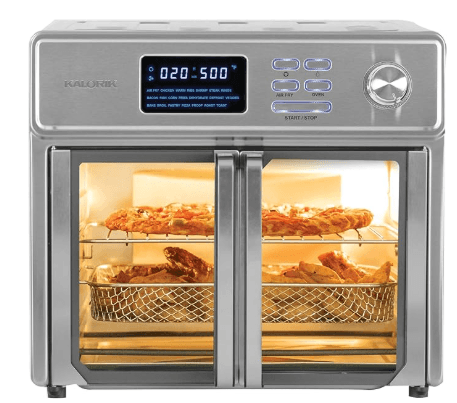
Kalorik MAXX Air Fryer Oven Reviews
Explore the features and performance of the Kalorik MAXX Air Fryer Oven in this detailed review.
Read More


