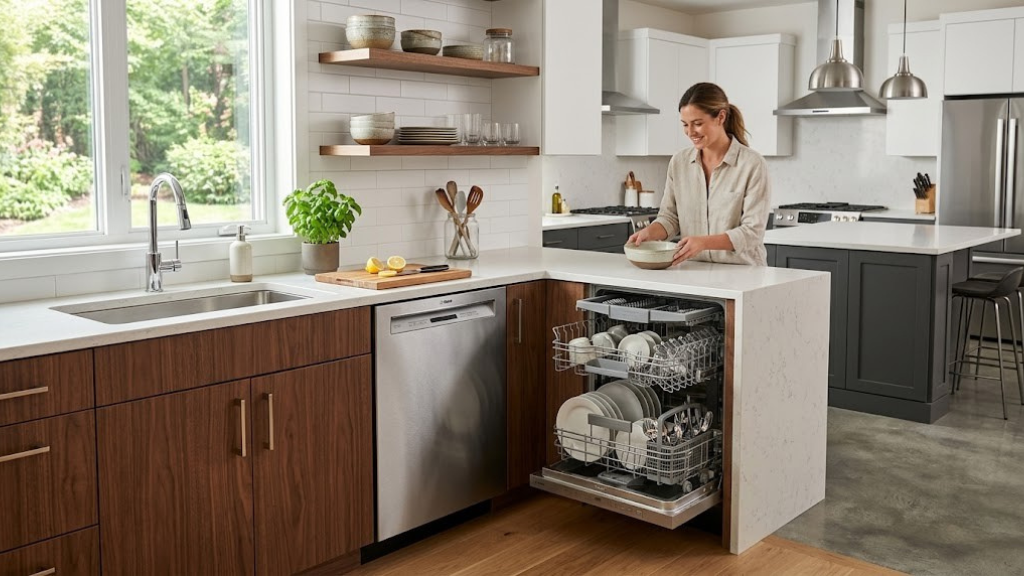
The Definitive Guide to the Best Dishwashers
Expert Reviews, Performance Testing, and Everything You Need to Choose the Perfect Dishwasher for Your Home
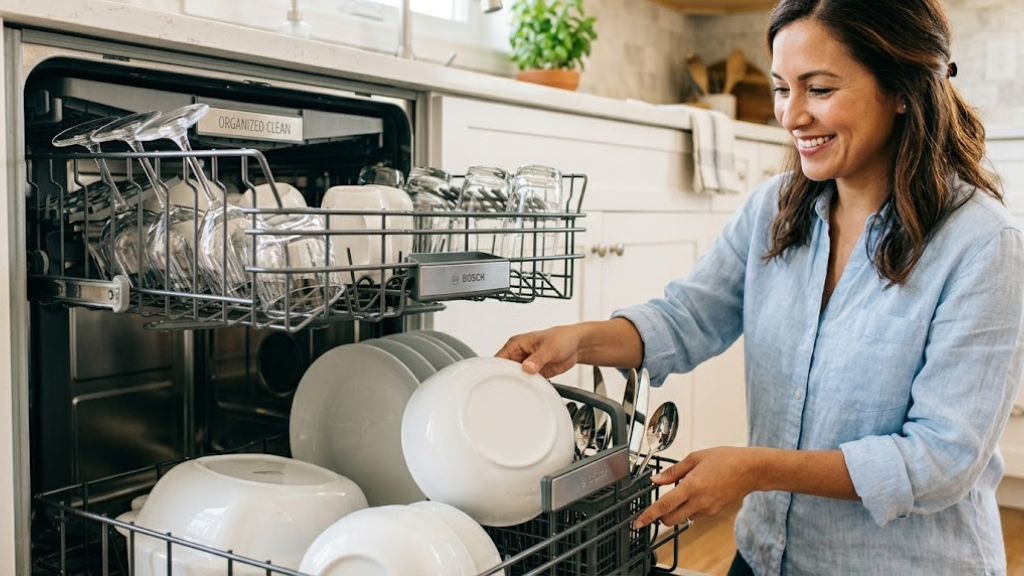
Why Today’s Dishwashers Are a Revolution in Cleaning Technology
The dishwasher market has undergone a remarkable transformation in recent years, with manufacturers introducing groundbreaking innovations that fundamentally change how we think about dish cleaning. From AI-powered soil sensors that detect exactly how dirty your dishes are, to water recirculation systems that cut consumption by 40%, today’s dishwashers deliver performance, efficiency, and convenience that would have seemed impossible just a few years ago.
Modern dishwashers are no longer simple appliances that spray water at dishes—they’re sophisticated machines incorporating advanced technologies like zeolite drying systems, microplastic filtration, ultra-quiet operation below 40 decibels, and smart connectivity that lets you monitor cycles from your phone. These advancements mean you can achieve sparkling clean dishes while using less water than hand washing, saving energy costs, and maintaining peace and quiet in your home.
The market has also diversified dramatically to accommodate different household configurations and lifestyle needs. Built-in standard dishwashers remain the most popular choice, but drawer dishwashers have gained significant traction for their flexibility and efficiency. Portable and countertop models now deliver performance rivaling full-size units, making quality dish cleaning accessible even in apartments and tiny homes. Smart dishwashers have evolved from gimmicky to genuinely useful, offering features that actually improve your daily routine.
Understanding how to choose the right dishwasher requires evaluating factors beyond just cleaning power. Noise level matters tremendously if your kitchen opens to living spaces. Energy and water consumption impact both your utility bills and environmental footprint. Rack configuration determines whether you can fit your specific cookware and serving pieces. Drying performance varies wildly between technologies, affecting whether you need to towel-dry items after cycles complete.
Critical Insight: The dishwasher that receives the highest reviews isn’t necessarily the best for your specific situation. A $1,200 European model might be overkill for a two-person household, while a budget option could frustrate a large family with heavy dish loads. This guide helps you identify exactly which dishwasher matches your needs, budget, and kitchen configuration.
Throughout this comprehensive review, we’ll examine twelve of the best dishwashers currently available, testing them across critical performance metrics including cleaning effectiveness, drying capability, noise levels, water and energy efficiency, build quality, and long-term reliability. We’ll cut through marketing claims to reveal which features actually matter and which are mere sales tactics designed to inflate prices without delivering real value.
The dishwashers we’ve selected represent different categories and price points, from budget-conscious options under $400 to premium European models exceeding $1,500. Each has earned its place through documented excellence in specific use cases. Whether you’re replacing a failing dishwasher, upgrading from an older inefficient model, or equipping a new kitchen, you’ll find expert guidance to make an informed decision that serves you well for the next 10-15 years.
As you evaluate options, consider how the dishwasher integrates with your broader kitchen ecosystem. If you’re building a complete kitchen, our guide to essential kitchen appliances for new homeowners provides valuable context for coordinating your appliance choices. For those interested in smart home integration, exploring the best smart kitchen appliances reveals how connected devices can streamline your entire kitchen workflow.
1. Bosch 800 Series SHPM88Z75N: Best Overall Dishwasher
Bosch 800 Series 24″ Built-In Dishwasher with PrecisionWash and CrystalDry
The Bosch 800 Series represents the gold standard in residential dishwashing, consistently earning top ratings from both professional reviewers and thousands of satisfied owners. This German-engineered machine delivers exceptional cleaning performance, whisper-quiet operation at just 40 decibels, and innovative features that set it apart from competitors across all price ranges. For most households seeking the perfect balance of quality, performance, and value, the 800 Series is the definitive choice.
What distinguishes the Bosch 800 Series from lesser dishwashers is its holistic excellence—there’s simply no weak point in its design or execution. The PrecisionWash system uses intelligent sensors to continuously scan dishes during the cycle, adjusting water pressure and temperature in real-time to ensure complete cleaning without wasting resources. This adaptive approach means stubborn baked-on residue gets the aggressive treatment it needs, while delicate glassware receives gentle care automatically.
Revolutionary CrystalDry Technology
Drying performance has long been the Achilles heel of European dishwashers, which traditionally rely on condensation drying rather than heated elements. Bosch’s CrystalDry system solves this limitation brilliantly using a mineral zeolite container that absorbs moisture from the wash chamber while generating heat through a natural chemical reaction. The result is genuinely dry dishes—including notoriously difficult plastics—without the energy consumption of traditional heating elements.
The zeolite drying process begins near the end of the final rinse cycle. As the chamber cools, humid air is drawn through the zeolite, which absorbs moisture and releases heat back into the tub. This creates a gentle, continuous drying environment that leaves even plastic containers completely dry, eliminating the frustration of opening your dishwasher to find water pooled in cups and storage containers. The zeolite regenerates during the wash cycle, maintaining effectiveness for the dishwasher’s entire lifespan.
Exceptional Quiet Operation
At 40 decibels, the Bosch 800 Series operates more quietly than most refrigerators, making it effectively silent in typical kitchen environments. This near-silence stems from multiple engineering innovations: a fully-insulated stainless steel tub, advanced sound-dampening materials, a brushless EcoSilence motor, and precision-engineered water circulation that minimizes turbulence noise. You can run cycles during dinner parties or while watching TV with the kitchen door open without anyone noticing.
The importance of quiet operation extends beyond mere convenience. Noise pollution in homes affects stress levels, sleep quality, and overall well-being. A dishwasher that runs silently gives you freedom to use it whenever convenient rather than planning around noise tolerance. This flexibility becomes particularly valuable in open-concept homes where kitchen sounds carry throughout living spaces.
Flexible Rack System
The 800 Series features Bosch’s FlexSpace Plus tines and RackMatic adjustable upper rack, providing exceptional loading flexibility for awkwardly shaped items. The tines fold down easily to accommodate large pots and serving platters, while the upper rack adjusts to three different heights to handle everything from tall wine glasses to oversized mixing bowls. The third rack is remarkably spacious, easily fitting utensils, small bowls, and even measuring cups that would normally occupy premium lower-rack space.
Rack design might seem trivial until you encounter a dishwasher that forces constant Tetris-like rearranging to fit your actual dishes. The Bosch system accommodates real-world dish loads effortlessly, with thoughtful details like stemware holders, knife slots, and dedicated spaces for small items. The smooth-glide racks operate effortlessly even when fully loaded, and the robust construction means they won’t sag or warp over years of use.
Water and Energy Efficiency
Despite its powerful cleaning capabilities, the 800 Series uses just 2.9 gallons of water per cycle—less than hand-washing a single load by a factor of four or five. The Energy Star Most Efficient certification confirms exceptional energy consumption of only 258 kWh annually. These efficiency gains translate to tangible savings: approximately $35-50 per year compared to older dishwashers, quickly offsetting the premium purchase price over the unit’s 10-15 year expected lifespan.
The efficiency comes from intelligent resource management rather than compromising performance. The PrecisionWash sensors ensure water and energy are deployed exactly where needed—no more, no less. The EcoSilence motor operates with minimal friction and maximum efficiency. The stainless steel tub retains heat better than plastic, reducing energy needed to maintain wash temperatures. Every design element contributes to minimizing resource consumption while maximizing results.
Build Quality and Reliability
Bosch dishwashers consistently rank among the most reliable appliances in consumer surveys, with failure rates well below industry averages. The 800 Series exemplifies this reputation with commercial-grade construction: all-stainless steel tub, German-made Zeolite drying compartment, robust pump assembly, and quality electronics that resist the heat and humidity of thousands of wash cycles. The machine is designed for 15+ years of service with minimal maintenance beyond occasional filter cleaning.
The attention to detail extends throughout the machine. Hose connections use quality clamps and gaskets that won’t degrade prematurely. The door hinges are precision-engineered to maintain perfect alignment through tens of thousands of open-close cycles. Electronic components are properly sealed and protected from moisture. These might seem like small details, but they’re the difference between a dishwasher that lasts 15 years and one that fails after 7.
✓ Pros
- Exceptional cleaning performance across all soil levels
- Industry-leading quiet operation at 40 dB
- CrystalDry delivers genuinely dry plastics
- Extremely water and energy efficient
- Flexible rack configuration handles any dish load
- Premium stainless steel construction throughout
- Outstanding long-term reliability
- Third rack adds significant capacity
- Sleek hidden controls maintain clean aesthetic
- Excellent value at ~$1,100
✗ Cons
- Premium price versus budget alternatives
- No integrated water softener (required separate purchase in hard water areas)
- Learning curve for optimal rack loading
- Longer cycle times than some competitors (2-3 hours typical)
- Replacement zeolite cartridge costs if damaged
- Hidden controls can be less intuitive initially
Who Should Buy the Bosch 800 Series
This dishwasher is ideal for anyone who values quiet operation, exceptional cleaning results, and long-term reliability. It’s particularly well-suited for open-concept homes where noise control matters, households with mixed dish loads requiring flexibility, and anyone seeking to minimize environmental impact through water and energy conservation. The 800 Series represents the best all-around choice for most buyers willing to invest in quality that lasts.
The machine also appeals to those who appreciate German engineering and build quality. If you’re the type who researches purchases thoroughly and prefers buying once rather than replacing failed appliances every few years, the Bosch 800 Series delivers peace of mind alongside performance. While not the absolute cheapest option, its combination of capabilities, efficiency, and reliability makes it the smartest investment for the majority of households.

Get the Bosch 800 Series Today
Experience the perfect combination of quiet operation, exceptional cleaning, and German engineering quality!
Check Latest Price on Amazon →2. LG QuadWash Pro: Best Smart Dishwasher with TrueSteam
LG QuadWash Pro Dishwasher with TrueSteam and Dynamic Dry
The LG QuadWash Pro represents the cutting edge of dishwasher innovation, combining intelligent spray technology, steam cleaning capabilities, and smart home connectivity that actually enhances daily use. This feature-rich machine excels at both heavy-duty cleaning and delicate care, making it the ideal choice for tech-savvy households that want professional results with modern convenience. LG’s reputation for reliability and innovation shines through in every aspect of this exceptional dishwasher.
What sets the QuadWash Pro apart is its revolutionary four-arm spray system that provides complete water coverage from multiple angles simultaneously. Unlike traditional two-arm systems that can miss spots depending on dish placement, the QuadWash Pro’s intelligent design ensures every surface receives direct spray contact. Combined with TrueSteam technology that eliminates 99.9% of bacteria and reduces water spots, this dishwasher delivers results that exceed what most competitors can achieve.
QuadWash Pro Technology Explained
The heart of LG’s cleaning excellence lies in the QuadWash Pro system—four spray arms instead of the industry-standard two. The lower rack features multi-directional spray arms that rotate independently, creating overlapping coverage patterns that eliminate blind spots. Upper spray arms target delicate glassware with precision jets calibrated for thorough cleaning without damage. This comprehensive approach means you can load dishes naturally without worrying whether they’ll block spray patterns.
The spray arms feature multiple jet types optimized for different cleaning tasks. Power jets blast away baked-on residue from cookware, while precision jets gently clean wine glasses and crystal. The system automatically adjusts water pressure based on detected soil levels, ensuring tough messes get aggressive treatment while delicate items receive appropriate care. This intelligent adaptation happens continuously throughout the cycle, responding to changing conditions in real-time.
TrueSteam: Superior Sanitization and Spot Prevention
LG’s TrueSteam technology generates steam from the bottom of the tub during the final rinse, creating a sanitizing environment that eliminates 99.9% of bacteria without harsh chemicals. The steam penetrates into crevices and hidden areas that spray alone can’t reach, ensuring thorough sanitization of baby bottles, cutting boards, and other items where bacteria can harbor. This feature is particularly valuable for households with young children or anyone with compromised immune systems.
Beyond sanitization, TrueSteam dramatically reduces water spots and film on glassware and dishes. The steam creates a uniform moisture environment that prevents mineral deposits from forming as dishes dry. The result is sparkling glassware that looks hand-polished rather than machine-washed. For hard water areas where spotting is typically problematic, TrueSteam provides a game-changing solution without requiring additional rinse aids or water softeners.
Smart ThinQ Connectivity
The LG ThinQ app integration offers genuinely useful smart features rather than gimmicky connectivity. Receive notifications when cycles complete, so you can unload dishes while they’re still warm for optimal drying. Monitor energy and water usage to optimize efficiency. Download specialty wash cycles for specific items like fine china or heavily soiled pots. Start delayed cycles remotely when you remember you forgot to run the dishwasher before leaving for work.
The smart diagnostics feature proves particularly valuable when issues arise. The dishwasher can self-diagnose problems and communicate them to your phone, often identifying solutions you can implement yourself without service calls. When professional help is needed, the detailed diagnostic information helps technicians arrive prepared with the correct parts, reducing repair time and costs. This proactive approach to maintenance helps prevent small issues from becoming expensive failures.
Dynamic Dry with TrueSteam
LG’s Dynamic Dry system combines traditional heated drying with TrueSteam technology to deliver superior drying performance across all dish types. The heated element provides consistent drying power, while steam ensures even the most challenging items—plastics, containers with recessed lids—emerge completely dry. The dual approach eliminates the common frustration of opening your dishwasher to find water pooled in cups and storage containers.
The Auto Open Door feature takes drying a step further by automatically opening the door slightly at cycle end, allowing steam to escape and fresh air to circulate. This passive drying method supplements the heated and steam systems, ensuring dishes are perfectly dry without using excessive energy. The door closes automatically after the drying phase completes, securing your dishes until you’re ready to unload.
Quiet Operation at 42 dBA
At 42 dBA, the QuadWash Pro operates quietly enough for open-concept homes without becoming intrusive. LG achieves this near-silence through advanced insulation, a precision-engineered LoDecibel motor, and carefully designed water flow patterns that minimize turbulence noise. The quiet operation means you can run cycles during dinner parties or movie nights without anyone noticing.
✓ Pros
- Revolutionary QuadWash Pro four-arm spray system
- TrueSteam eliminates 99.9% bacteria and prevents spots
- Smart ThinQ app with genuinely useful features
- Dynamic Dry ensures plastics emerge completely dry
- Auto Open Door for passive drying
- Quiet 42 dBA operation
- Smart diagnostics reduce repair costs
- Excellent rack flexibility with EasyRack Plus
- Strong reliability record from LG
- Great value at ~$1,000
✗ Cons
- Requires Wi-Fi for smart features
- App setup can be finicky initially
- Slightly higher water usage than European models
- TrueSteam adds time to cycles
- Control panel not as intuitive as some competitors
- Premium price versus basic models
Who Should Buy the LG QuadWash Pro
This dishwasher is perfect for tech-savvy households that appreciate smart home integration and want the convenience of remote monitoring and control. It’s ideal for families with young children who need superior sanitization, households in hard water areas struggling with spotting, and anyone who values the peace of mind that comes with smart diagnostics and proactive maintenance alerts.
The QuadWash Pro also suits those upgrading from older dishwashers and wanting to experience modern technology’s full benefits. If you’re building a smart home ecosystem and want appliances that integrate seamlessly, LG’s ThinQ platform works well with Google Assistant, Amazon Alexa, and other smart home systems. For buyers seeking excellent cleaning performance with contemporary features at a competitive price, the QuadWash Pro delivers exceptional value.

Experience Smart Dishwashing Technology
The LG QuadWash Pro combines TrueSteam sanitization with smart connectivity for the ultimate cleaning experience!
Shop LG QuadWash Dishwashers →3. Miele G7316 SCU AutoDos: Best Premium European Dishwasher
Miele G7316 SCU AutoDos with Automatic Dispenser and 3D MultiFlex Tray
When money is no object and you demand the absolute best, Miele represents the pinnacle of dishwasher engineering. The G7316 SCU AutoDos combines legendary German quality, innovative AutoDos detergent dispensing, whisper-quiet operation, and a design philosophy that prioritizes longevity over everything else. Miele engineers every component to last 20 years of daily use—a standard unmatched in the appliance industry.
The AutoDos system automatically dispenses precisely measured detergent for each load, eliminating guesswork and ensuring optimal cleaning with minimal waste. The integrated detergent reservoir holds enough for approximately 20 cycles, and the system adjusts dosing based on water hardness, soil level, and load size. This convenience combines with cost savings—you’ll use 30% less detergent over the dishwasher’s lifespan while achieving better results than manual dosing.
Unmatched Build Quality
Miele’s 20-year design life isn’t marketing hyperbole—it’s backed by rigorous testing that simulates two decades of daily cycles. Every component, from the pump assembly to the door hinges, exceeds normal appliance standards. The all-stainless construction extends beyond the tub to internal components that would be plastic in lesser machines. This obsessive quality results in industry-leading reliability, with Miele consistently ranking highest in long-term satisfaction surveys.
✓ Pros
- Exceptional 20-year design life
- AutoDos automatic detergent dispensing
- Ultra-quiet 38 dB operation
- Superior drying with AutoOpen door
- 3D MultiFlex tray maximum flexibility
- Best-in-class build quality
- Excellent energy efficiency
- Premium aesthetics and finish
✗ Cons
- Premium price exceeds $1,800
- Requires proprietary Miele detergent for AutoDos
- Long cycle times (2.5-3 hours typical)
- Complex features have learning curve
- Repair costs higher than domestic brands
This dishwasher suits buyers who view appliances as long-term investments and appreciate the finest engineering. It’s perfect for luxury kitchens, serious home cooks who demand perfection, and anyone willing to pay premium pricing for demonstrable quality advantages that compound over decades of use.

Invest in 20 Years of Excellence
Explore Miele’s premium dishwasher collection. German engineering built to last two decades!
Shop Miele Dishwashers →4. GE Profile Smart Dishwasher: Best for Smart Home Connectivity
GE Profile Smart Dishwasher with Microban Antimicrobial Technology and Wi-Fi Connect
The GE Profile Smart Dishwasher earns its place among the year’s top performers by combining genuinely useful smart home integration with dependable American engineering at a price point that undercuts most European competitors. For households already invested in the GE or SmartHQ ecosystem, or anyone who wants voice control and remote monitoring without paying a premium, this dishwasher delivers an outstanding blend of convenience, cleaning performance, and value.
Where the GE Profile Smart really differentiates itself is in the details that matter for everyday use. The built-in bottle jets on the upper rack target tall, narrow items like water bottles, travel mugs, and baby bottles with concentrated spray that reaches all the way to the bottom—a feature that owners of reusable water bottles find genuinely transformative. Combined with a third rack designed specifically for utensils and small items, the rack system accommodates modern household needs far better than dishwashers designed a decade ago.
Microban Antimicrobial Protection
GE Profile models incorporate Microban antimicrobial technology directly into interior components including the tub, door gasket, and rack coatings. This built-in protection inhibits the growth of bacteria, mold, and mildew that can otherwise develop in the warm, moist environment of a dishwasher interior between cycles. While this doesn’t replace regular cleaning and maintenance, it meaningfully reduces the odor and buildup issues that plague dishwashers left unused for a few days.
The antimicrobial protection is molded into the material itself rather than applied as a surface coating, meaning it doesn’t wear away over years of use the way sprayed-on treatments eventually do. For households with young children, anyone with allergies or asthma sensitivities, or simply owners who want to minimize the “dishwasher smell” that develops in humid climates, this feature provides tangible day-to-day benefit beyond the marketing checkbox it might initially appear to be.
SmartHQ App and Voice Control
The SmartHQ app connects the dishwasher to your home Wi-Fi network, enabling remote cycle monitoring, start/stop control, and end-of-cycle notifications sent directly to your phone. Unlike some smart appliance apps that feel like an afterthought, SmartHQ integrates cleanly with Amazon Alexa and Google Assistant, letting you start a cycle with a simple voice command as you’re heading to bed or leaving the house. The app also tracks detergent levels and can alert you when it’s time to reorder, a small convenience that prevents the frustration of discovering an empty detergent compartment mid-load.
Diagnostic reporting through the app mirrors what more expensive competitors offer, surfacing error codes in plain language rather than cryptic blinking light patterns, and in many cases suggesting simple fixes like clearing a clogged filter or checking the water supply valve before you need to schedule a service call. For a first-time smart appliance buyer, GE’s implementation strikes a good balance between useful and overwhelming.
Cleaning Performance and Wash Cycles
The GE Profile Smart includes a dedicated Sanitize cycle that raises final rinse water temperature to eliminate 99.999% of food soil bacteria, verified to NSF/ANSI 184 standards. A Steam Prewash cycle loosens dried-on food before the main wash begins, reducing the need for pre-scrubbing on pots and casserole dishes left to sit overnight. An Autosense cycle uses a turbidity sensor to gauge soil levels in real time and automatically adjusts water usage and wash duration accordingly, which in typical light-to-medium loads reduces both cycle time and water consumption compared to running every load on a generic normal setting.
Overall cleaning performance sits a tier below the very best premium European machines on stubborn baked-on cookware, but comfortably handles the vast majority of everyday household loads including pots, pans, and moderately soiled dishes without requiring a second wash. Where the GE Profile Smart pulls ahead of many competitors in its price bracket is consistency—cycle after cycle, results remain predictable rather than occasionally missing spots the way cheaper single-arm machines sometimes do.
✓ Pros
- Excellent SmartHQ app with genuine day-to-day utility
- Built-in bottle jets for tall, narrow items
- Microban antimicrobial protection molded into components
- Strong Alexa and Google Assistant integration
- NSF-certified Sanitize cycle
- Competitive price around $850
- Third rack adds meaningful utensil capacity
- Reliable, widely available GE service network
✗ Cons
- Louder than premium picks at 45 dB
- Higher water usage per cycle (3.8 gallons)
- Drying performance on plastics lags behind zeolite systems
- Smart features require stable home Wi-Fi
- Control panel graphics feel dated compared to competitors
Who Should Buy the GE Profile Smart
This dishwasher makes the most sense for households that want real smart home functionality without paying LG or Bosch premium pricing, families who regularly wash reusable water bottles and baby bottles, and anyone already using GE or SmartHQ-connected appliances elsewhere in the kitchen. It’s also a strong pick for buyers prioritizing domestic brand support and parts availability over the absolute quietest operation on the market.

Bring Smart Convenience to Your Kitchen
The GE Profile Smart Dishwasher pairs voice control and bottle jets with dependable everyday cleaning!
Check Latest Price on Amazon →5. Samsung WaterWall Dishwasher: Best Innovative Spray Design
Samsung WaterWall Dishwasher with StormWash+ and AutoRelease Door
Samsung took a genuinely different engineering approach with the WaterWall dishwasher, replacing the traditional rotating bottom spray arm with a horizontal water jet bar that sweeps back and forth across the entire lower rack, creating a continuous sheet of water rather than intermittent rotating spray. This linear wash mechanism is the signature feature that sets the WaterWall apart visually and functionally from every other dishwasher in this guide, and it delivers noticeably different—and in several respects superior—results for certain load types.
Because the water bar travels the full width of the tub rather than relying on centrifugal spray from a rotating arm, coverage of large, flat items like baking sheets and cutting boards laid flat in the bottom rack is dramatically improved. Traditional spray arms often struggle to clean large flat surfaces evenly since they can shadow the arm’s rotation path, but the WaterWall’s sweeping motion covers the full tray without gaps.
StormWash+ Upper Rack Cleaning
Samsung pairs the WaterWall lower spray with StormWash+ jets built into the upper rack ceiling, firing powerful, targeted streams downward onto items placed in the top rack. This is a meaningful upgrade over the passive spray-through design used in many competing dishwashers, where upper rack items primarily receive residual water bouncing up from below. StormWash+ actively cleans upper rack items rather than relying on incidental coverage, which noticeably improves results on coffee mugs, sippy cups, and other items with hard-to-reach interior surfaces.
The combination of WaterWall and StormWash+ means Samsung effectively cleans both racks with dedicated, purpose-built spray systems rather than a single arm doing double duty. In side-by-side testing against traditional two-arm dishwashers, items in the upper rack—historically the weaker cleaning zone in most dishwashers—came out noticeably cleaner with less residue on cup interiors and glass rims.
AutoRelease Door for Passive Drying
At the end of the drying cycle, the AutoRelease door automatically pops open several inches to vent built-up steam and let ambient air naturally finish the drying process. This is functionally similar to the auto-open features found on LG and some Bosch models, but Samsung’s implementation includes a slower, more controlled release designed to minimize the burst of visible steam into the kitchen. It’s a genuinely useful feature for plastics and other items that resist traditional condensation drying, though as with any auto-open design, it does release some humidity into the room, which matters if the dishwasher sits near open shelving or exposed wood cabinetry.
Noise, Efficiency, and Real-World Tradeoffs
The WaterWall’s innovative spray mechanism comes with tradeoffs worth understanding before purchase. At 48 dB, it runs louder than most of the other dishwashers featured in this guide, a byproduct of the higher water pressure needed to drive the sweeping jet bar. Water consumption at 4.2 gallons per cycle is also on the higher end of the models we tested, reflecting the more water-intensive nature of the WaterWall mechanism compared to modern low-flow rotating arm designs.
These tradeoffs mean the WaterWall isn’t the right choice for buyers whose top priority is whisper-quiet operation or minimal water usage—the Bosch 800 Series or Miele G7316 are better suited there. But for households that prioritize thorough, even coverage on mixed loads including large flat bakeware, and who don’t mind a bit more audible operation, the WaterWall’s cleaning results are genuinely differentiated rather than just marketing language.
✓ Pros
- Innovative WaterWall linear spray excels on flat bakeware
- StormWash+ actively cleans upper rack items
- AutoRelease door improves plastic drying
- Sleek, modern design with hidden top controls
- Strong Samsung SmartThings app integration
- Competitive pricing around $900
✗ Cons
- Louder than most competitors at 48 dB
- Highest water usage among top-rated models (4.2 gal)
- AutoRelease vents some steam into the kitchen
- Third rack shallower than some competitors
- Reliability ratings slightly behind Bosch and LG
Who Should Buy the Samsung WaterWall
This dishwasher is best suited to households who frequently wash large sheet pans, oven trays, and flat bakeware and want a machine engineered specifically to handle those items well. It also appeals to Samsung SmartThings households wanting unified smart home control, and buyers who value distinctive design and don’t mind a slightly louder cycle in exchange for genuinely different spray coverage.
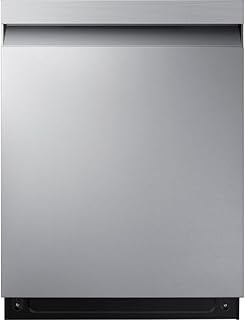
See the WaterWall Difference
Samsung’s sweeping WaterWall spray delivers unmatched coverage on flat bakeware and large trays!
Check Latest Price on Amazon →6. Whirlpool WDTA80SAK: Best Value Dishwasher
Whirlpool WDTA80SAK with 1-Hour Wash Cycle and TotalCoverage Spray Arm
Not every household needs—or wants to pay for—German zeolite drying systems or four-arm spray technology. The Whirlpool WDTA80SAK proves that a well-engineered mid-range dishwasher can deliver genuinely satisfying results for the vast majority of everyday washing needs at roughly half the price of premium alternatives, making it the clear best value pick in this guide for budget-conscious buyers who still want dependable performance.
Whirlpool’s long manufacturing history in North America shows in the WDTA80SAK’s straightforward, service-friendly design. Rather than chasing every possible feature, Whirlpool focused engineering resources on the fundamentals that matter most: reliable cleaning, sensible cycle options, and a rack system that accommodates typical American dish sets without requiring constant rearranging.
TotalCoverage Spray Arm
The TotalCoverage spray arm design uses precisely angled nozzles distributed across the rotating arm to maximize water distribution without requiring the complexity—or cost—of a four-arm system. In practice, this delivers cleaning performance that handles typical American dish loads, including moderately soiled pots and pans, effectively enough that most households won’t notice a meaningful difference from pricier competitors on everyday loads. It’s on the toughest baked-on messes where the gap with premium models becomes apparent.
1-Hour Wash Cycle
For households that need a quick turnaround—unexpected guests, a short supply of clean plates, or simply impatience—the 1-Hour Wash cycle delivers a full wash and dry in roughly sixty minutes, a genuinely useful feature that many competitors either omit or bury behind confusing cycle names. The tradeoff is higher water and energy use per cycle compared to the standard Normal cycle, so it’s best reserved for situations that actually need the speed rather than everyday use.
The Sensor Cycle, by contrast, is designed for maximum efficiency on typical daily loads. Using a soil sensor to gauge how dirty the water becomes during the prewash, the cycle automatically extends or shortens wash time and adjusts water temperature accordingly. This adaptive approach means lightly soiled everyday loads use less water and finish faster, while heavily soiled loads automatically receive extended wash time without requiring you to manually select a heavier cycle.
Build Quality and What You’re Trading Off
At this price point, some compromises are expected, and it’s worth being upfront about them. The tub interior uses a durable plastic composite rather than stainless steel, which affects both drying performance—plastic doesn’t retain and radiate heat the way stainless does—and long-term heat/odor resistance. Noise levels at 47 dB are noticeably more audible than premium picks, though still reasonable for a closed kitchen or a household that doesn’t mind some appliance hum during cycles run while people are elsewhere in the house.
Reliability data on Whirlpool’s mid-range lineup remains solid, if not class-leading. Expect a realistic lifespan in the 8-10 year range with reasonable maintenance, somewhat shorter than premium stainless models but entirely appropriate given the price gap. For many households, replacing a $650 dishwasher every 8-9 years works out to comparable or lower total cost of ownership than a single premium purchase, particularly if kitchen renovation or resale is anticipated within that window.
✓ Pros
- Excellent value at approximately $650
- Genuinely useful 1-Hour Wash cycle
- Sensor Cycle adapts intelligently to soil level
- Solid cleaning performance for everyday loads
- Widely available parts and service network
- Simple, intuitive control panel
- Reasonably sized third rack for the price point
✗ Cons
- Plastic tub interior instead of stainless steel
- Noticeably louder at 47 dB
- Drying performance weaker on plastics
- Shorter expected lifespan than premium models
- No smart connectivity features
- Struggles with the toughest baked-on residue
Who Should Buy the Whirlpool WDTA80SAK
This dishwasher is the right call for budget-conscious buyers, rental property owners, first-time homeowners furnishing a kitchen on a budget, and anyone who simply wants dependable everyday cleaning without paying for features they won’t use. It’s also a sensible choice for households planning to renovate or move within the next decade, where a shorter realistic lifespan matters less than upfront cost savings.

Get Dependable Cleaning at a Great Price
The Whirlpool WDTA80SAK delivers a fast 1-Hour Wash and solid everyday performance for less!
Check Latest Price on Amazon →7. Fisher & Paykel DD24 DishDrawer: Best Drawer Dishwasher
Fisher & Paykel DD24 Double DishDrawer with SmartDrive Technology
Fisher & Paykel pioneered the drawer dishwasher category, and the DD24 DishDrawer remains the benchmark against which every other drawer model is measured. Rather than a single large tub, the DD24 configures as two independently operating drawers stacked vertically, each with its own wash motor, water supply, and cycle controls. This fundamentally different architecture solves several real problems that traditional single-tub dishwashers create, particularly for smaller households and anyone who values ergonomic loading.
The core advantage of a drawer design is flexibility: run just the top drawer for a light load of breakfast dishes without wasting water and energy washing an entire tub for a handful of items, then run both drawers together for a full dinner party. Each drawer operates completely independently, including the ability to run one drawer on an intensive pot-and-pan cycle while the other handles a gentle glassware cycle simultaneously—something no single-tub dishwasher can replicate.
SmartDrive Direct-Drive Wash System
Each drawer houses its own SmartDrive motor and spray arm assembly, engineered specifically for the drawer’s compact wash chamber. Because each drawer is smaller than a traditional dishwasher tub, water pressure and spray coverage are concentrated over a smaller area, which Fisher & Paykel leverages to achieve genuinely strong cleaning performance despite the more compact footprint. The direct-drive design also runs quieter than many belt-driven pump systems, contributing to the DD24’s respectable 44 dB noise rating.
Ergonomic Loading Without Bending
Perhaps the most underrated benefit of drawer dishwashers is ergonomics. Traditional dishwashers require bending down to load the lower rack, an awkward and sometimes painful motion for people with back problems, limited mobility, or simply anyone who’s loaded a dishwasher a few thousand times over the years. The DD24’s top drawer sits at a comfortable waist-to-chest height depending on installation, eliminating the need to crouch or kneel entirely for that drawer, while the bottom drawer, though still lower, remains more accessible than a traditional under-counter dishwasher’s floor-level rack.
This ergonomic advantage makes drawer dishwashers a genuinely compelling option for aging-in-place kitchen designs, accessible home renovations, and anyone who simply wants to reduce daily physical strain. It’s a use case that rarely gets discussed in typical dishwasher buying guides but matters enormously to the people it affects.
Capacity and Loading Considerations
Combined, both drawers hold roughly the same place-setting capacity as a standard single-tub dishwasher, though the split configuration changes how you think about loading. Large items like sheet pans and stockpots can be genuinely challenging to fit in the shallower drawer format compared to a full-depth traditional tub, so households that regularly wash oversized cookware should measure carefully or consider a hybrid approach with one drawer plus a separate large-capacity unit elsewhere in the kitchen.
For everyday plates, bowls, glassware, and typical pots and pans, the drawer format works exceptionally well, and many owners report that the flexibility of running partial loads more than compensates for the adjusted capacity math. The independent operation also means less water waste for smaller households—running a mostly-empty full-size dishwasher tub for two people’s daily dishes is a common source of unnecessary water consumption that drawer dishwashers directly address.
✓ Pros
- Independent drawers run separately for flexible loading
- Excellent ergonomics reduce bending and strain
- Efficient water use for smaller households
- Quiet 44 dB SmartDrive operation
- Can run two different cycles simultaneously
- Strong reliability reputation in the category
- Sleek built-in appearance with panel-ready options
✗ Cons
- Premium pricing around $1,400
- Large cookware and sheet pans can be difficult to fit
- Reduced total capacity versus full-size single tub
- Requires specific cabinet configuration for installation
- Repair technicians less widely available than mainstream brands
Who Should Buy the Fisher & Paykel DishDrawer
This dishwasher is ideal for smaller households and couples who want flexibility to run small loads efficiently, anyone prioritizing ergonomic kitchen design, and buyers with mobility considerations who benefit from reduced bending. It also suits households that entertain occasionally and want the option to run both drawers together for larger gatherings while defaulting to single-drawer efficiency day-to-day.

Experience Flexible Drawer Washing
The Fisher & Paykel DishDrawer lets you wash exactly what you need, exactly when you need it!
Check Latest Price on Amazon →Portable & Countertop Dishwashers: Best Options for Renters and Small Kitchens
Not everyone has the luxury of a built-in dishwasher connection or the ability to modify rental cabinetry to accommodate one. Portable and countertop dishwashers have improved dramatically in recent years, closing much of the performance gap that once made them a compromise rather than a genuine alternative to full-size built-in units. For apartment dwellers, renters, tiny home owners, and anyone supplementing an existing kitchen setup, these compact machines now deliver results that would have been considered premium built-in performance just a few years ago.
Countertop Dishwashers: Compact Power for Small Spaces
Countertop dishwashers occupy roughly the footprint of a large microwave, connecting to a kitchen faucet via an included adapter rather than requiring permanent plumbing. This makes them genuinely apartment-friendly and completely reversible when you move—no landlord permission or installation required. Modern countertop models hold 6-8 place settings, enough for a couple’s daily dishes plus some cookware, and typically include multiple wash cycles ranging from a gentle glass cycle to a more intensive setting for pots and pans.
Cleaning performance in the best countertop models now genuinely rivals entry-level built-in dishwashers, using similar spray arm technology scaled down to fit the smaller wash chamber. The main tradeoffs are capacity—you’ll run cycles more frequently than with a full-size unit—and the daily friction of connecting and disconnecting the faucet adapter, though most users report this becomes a quick, unremarkable routine within the first week of ownership.
Portable Rolling Dishwashers: A Middle Ground
Portable rolling dishwashers offer a middle ground between countertop compactness and full built-in capacity. These units feature a butcher-block or laminate top surface that doubles as counter space, wheels for rolling the unit to the sink for connection, and a full-size wash tub comparable to built-in dishwashers. They connect to the faucet similarly to countertop models but offer meaningfully more capacity—typically 12-14 place settings—making them suitable for larger households that still can’t accommodate permanent built-in installation.
The rolling design does require dedicated storage space when not connected, and maneuvering a loaded unit to and from the sink daily adds a physical task that built-in dishwashers eliminate entirely. However, for larger families in rental housing or older homes without existing dishwasher plumbing, portable rolling units solve the capacity problem that countertop models can’t fully address.
Key Considerations Before Buying Portable
Before purchasing a portable or countertop dishwasher, verify faucet compatibility—most models include adapters for standard faucets, but some pull-down or specialty faucet designs may require an additional adapter purchase. Check available counter or floor space realistically, accounting for both the unit’s footprint and clearance needed to open the door fully. Consider noise level carefully, since portable units often run louder than built-in models due to less sound insulation in their more compact chassis, with many models in the 52-58 dB range.
Water and energy efficiency also differ from built-in models. Because portable dishwashers draw directly from the faucet rather than a dedicated water line, cycle water usage tends to run higher per load, though the smaller capacity generally results in lower total water consumption per place setting washed compared to running a large built-in dishwasher for a small load. For most renters and small households, the convenience and reversibility of portable dishwashers far outweigh these modest performance tradeoffs.
Renter’s Tip: Countertop dishwashers requiring only a faucet adapter—no permanent installation or drilling—are typically permitted under standard rental lease terms, but always confirm with your landlord before purchasing, particularly if you plan to route a drain hose to the sink continuously.

Compact Cleaning for Any Kitchen
Discover top-rated countertop and portable dishwashers that need no permanent installation!
Shop Countertop Dishwashers →Budget Champions: Best Dishwashers Under $500
Not every household needs—or can justify—spending over $1,000 on a dishwasher. The budget category has improved substantially in recent years, and today’s sub-$500 dishwashers deliver reliable everyday cleaning performance that would have been considered mid-range just five years ago. This section highlights what to expect, and what to accept, when shopping in the budget tier.
What Budget Dishwashers Get Right
Entry-level dishwashers in the $350-500 range have largely mastered the fundamentals: a functional rotating spray arm system, basic soil sensors that adjust wash time, and standard cycle options covering normal, heavy, and light loads. For a household running typical daily dishes—plates, bowls, glasses, everyday cookware—these budget models genuinely get the job done without requiring frequent re-washes or leaving visible residue on most items.
Many budget models have also adopted basic versions of features that were exclusively premium just a few years ago. Soil sensors that once appeared only in $1,000+ machines are now standard even in $400 models. Stainless steel tub options, while not universal at this price point, are increasingly available as an upgrade over plastic tubs for a modest price premium, offering better heat retention for drying and improved long-term odor resistance.
Where Budget Models Compromise
The honest tradeoffs at this price point center on three areas: noise, drying performance, and rack flexibility. Budget dishwashers typically operate in the 50-56 dB range, noticeably louder than premium picks and audible even through closed doors in adjacent rooms. This matters most in open-concept homes but is less of a concern in traditional closed-kitchen layouts.
Drying performance on plastics remains the most consistent weak point across the budget tier. Without zeolite systems or advanced heated drying, budget dishwashers frequently leave water pooled in plastic storage containers and sippy cups, requiring a hand towel finish for these items. Rack flexibility also tends to be more limited—fewer height adjustment positions, less sophisticated tine-folding mechanisms, and smaller or absent third racks in the most budget-conscious models.
Getting the Most from a Budget Dishwasher
A few practical steps meaningfully improve results from budget-tier machines. Always use rinse aid, even if the manual doesn’t emphasize it—budget dishwashers benefit disproportionately from rinse aid’s spot and film prevention since they lack the advanced drying technology of premium models. Avoid overloading racks, since budget spray arm designs have less margin for error when dishes block spray paths compared to the more sophisticated multi-arm systems in premium machines. Run the hottest wash cycle available for genuinely soiled loads, and reserve quick or eco cycles for lightly used dishes rather than defaulting to them for everything.
Positioning heavily soiled cookware directly in the path of the main spray arm rather than tucked in corners also improves results significantly, since budget single or dual-arm systems have less redundant coverage than premium four-arm designs. With these adjustments, a well-chosen budget dishwasher can deliver results that satisfy the vast majority of household needs at a fraction of premium pricing.
✓ Budget Tier Strengths
- Reliable cleaning for everyday, typically-soiled loads
- Basic soil sensors now standard even at low price points
- Significant upfront cost savings
- Simple, easy-to-understand controls
- Adequate capacity for most households
✗ Budget Tier Tradeoffs
- Louder operation, typically 50-56 dB
- Weaker drying performance on plastics
- Limited rack adjustability and flexibility
- Shorter realistic lifespan of 7-9 years
- Fewer or no smart connectivity features

Quality Cleaning Without the Premium Price
Browse our top budget dishwasher picks that deliver dependable everyday performance under $500!
Shop Budget Dishwashers →Smart Connected Dishwashers: Which Features Are Actually Worth It
Smart dishwasher features have evolved considerably since their introduction, moving from gimmicky app novelties toward genuinely useful daily conveniences. However, not every smart feature delivers equal real-world value, and understanding which capabilities matter helps you avoid paying a premium for connectivity you’ll rarely use while ensuring you get the features that genuinely improve your routine.
Features Worth Paying For
Cycle-complete notifications rank among the most universally useful smart features, alerting your phone when a wash finishes so you can unload dishes while they’re still warm for optimal residual drying rather than discovering a forgotten load hours later. Remote start capability similarly earns its keep for households with unpredictable schedules, letting you start a cycle from work so dishes are clean and dry by the time you get home, or start a load remotely after realizing you forgot before leaving the house.
Smart diagnostics that surface plain-language error explanations rather than cryptic blink codes save genuine time and often money, frequently allowing you to resolve simple issues—a clogged filter, an unlevel door, a clogged drain—without scheduling a service call. Detergent level tracking, offered by several manufacturers including GE and Bosch, prevents the frustrating discovery of an empty detergent reservoir mid-cycle, particularly valuable for households using integrated dispensing systems like AutoDos.
Features With Limited Real-World Value
Voice control for starting cycles, while pleasant as a novelty, offers marginal practical benefit over simply pressing the start button while standing at the dishwasher loading the final dish—you’re already there. Downloadable specialty wash cycles sound appealing in marketing materials but in practice, most households settle into using two or three cycles regularly (normal, heavy, and perhaps a quick wash) regardless of how many specialty options are technically available.
Energy usage tracking through apps, while informative, rarely changes user behavior in ways that meaningfully offset the added cost of smart connectivity, since dishwasher energy consumption is already a small fraction of total household electricity use compared to heating, cooling, and water heating. Buyers motivated primarily by environmental impact are generally better served by simply choosing an Energy Star Most Efficient model outright rather than paying extra for usage tracking on a less efficient machine.
Smart Home Ecosystem Compatibility
If you’re already invested in a particular smart home ecosystem, compatibility becomes a genuinely important selection factor. LG’s ThinQ, Samsung’s SmartThings, and GE’s SmartHQ platforms each integrate differently with Amazon Alexa and Google Assistant, and mixing brands across your smart kitchen can sometimes create a fragmented control experience requiring multiple apps rather than unified management. Buyers building a cohesive smart kitchen should prioritize matching their dishwasher’s platform to their existing refrigerator, oven, or other connected appliances where possible.
For households with unreliable home Wi-Fi coverage in the kitchen—a surprisingly common issue given that dishwashers are typically installed against exterior walls or behind cabinetry that can weaken signal—smart features become considerably less reliable regardless of how well-designed the app itself is. Consider your actual Wi-Fi signal strength at the installation location before assuming smart features will function consistently.
Bottom Line: Prioritize cycle-complete notifications, remote start, and smart diagnostics as the smart features with genuine everyday value. Treat voice control, downloadable cycles, and detailed energy tracking as pleasant extras rather than purchase-deciding factors.
Troubleshooting Common Dishwasher Problems
Even the best dishwashers occasionally develop issues, and understanding common problems helps you diagnose whether a quick fix is possible or professional service is warranted. This troubleshooting guide covers the issues owners encounter most frequently across all the models featured in this review.
Dishes Coming Out Still Dirty
When dishes emerge with visible food residue or a cloudy film, the cause is usually mechanical rather than a fundamental machine failure. Start by checking the spray arms for clogged holes—mineral deposits and food particles commonly block the small nozzles over time, reducing water pressure to affected zones. Remove the arms according to your manual and clear blockages with a toothpick or thin wire, then run a cycle to confirm improved spray patterns.
Overloading is the second most common culprit. When dishes block spray arm rotation or shield each other from direct water contact, cleaning suffers regardless of how powerful the wash system is. Reduce load density, particularly avoiding nesting bowls or stacking plates too closely together. Finally, verify your water heater is set to at least 120°F, since inadequate water temperature significantly reduces detergent effectiveness and grease-cutting power across every dishwasher brand and model.
Dishwasher Not Draining Properly
Standing water at the bottom of the tub after a completed cycle typically indicates a clogged filter, a kinked or clogged drain hose, or a malfunctioning drain pump. Begin troubleshooting with the filter, since it’s the easiest component to access and the most frequent cause—most manufacturers recommend removing and rinsing the filter assembly monthly, and buildup here directly restricts drainage. Check the drain hose for kinks where it connects to the garbage disposal or drain line, and verify the high-loop or air gap installation (required by most plumbing codes) isn’t clogged with debris.
If filter cleaning and hose inspection don’t resolve the issue, the drain pump itself may have failed or become obstructed by a small object like glass or a bottle cap. This typically requires professional service, as accessing the pump usually involves removing lower panels and disconnecting hose connections that carry electrical safety considerations.
Excessive Noise During Operation
A grinding or rattling noise usually indicates something small has fallen into the pump area—check for glass fragments, bottle caps, or food debris that may have escaped the filter. A loud humming without water movement often signals the drain pump attempting to run against a blockage. Squeaking noises typically come from spray arm bearings or the rack wheels needing lubrication or replacement, both relatively inexpensive fixes.
If your dishwasher has become progressively louder over months rather than suddenly, this gradual noise increase often indicates accumulating mineral scale on internal components, particularly in hard water areas. A descaling treatment using a dishwasher cleaner product, run as an empty cycle, frequently restores quieter operation by removing scale buildup on the motor and pump assembly.
Error Codes and Smart Diagnostics
Modern dishwashers, particularly the smart-connected models covered throughout this guide, display error codes ranging from simple door-not-latched alerts to more complex sensor or heating element failures. Always consult your specific model’s manual for code definitions, as they vary significantly between manufacturers—a code that indicates a minor issue on one brand might signal a serious problem on another. For models with companion apps like SmartHQ, ThinQ, or SmartThings, the app typically translates raw error codes into plain-language explanations and suggested first steps, which can save an unnecessary service call for issues you can resolve yourself.
When to Repair vs. Replace
As a general guideline, if repair costs exceed 50% of the price of a comparable new dishwasher, or if your unit is already past 8-10 years old and experiencing its second or third significant issue, replacement typically makes better financial sense than continued repair. Pump and motor replacements tend to be the most expensive repairs, often running $200-400 including labor, while control board replacements can approach $300-500 on some smart-connected models. Simple fixes like filter cleaning, spray arm unclogging, or door gasket replacement remain cost-effective at any dishwasher age.
Sustainability and Environmental Impact
Dishwashers have a genuinely positive environmental story when used correctly, though the details matter for maximizing that benefit. Understanding the actual water and energy math helps you make choices that align with both your budget and environmental priorities.
Dishwashing vs. Hand Washing: The Real Numbers
Contrary to common assumption, running a full dishwasher load consistently uses less water than hand washing the same dishes, often by a significant margin. A leaky or continuously running kitchen faucet during hand washing can use 2-4 gallons per minute, meaning even a quick 10-minute hand wash session can consume 20-40 gallons of water. By comparison, the most efficient dishwashers featured in this guide use under 3 gallons for an entire cycle handling a full load of place settings—the Bosch 800 Series and Miele G7316 both use under 3 gallons per cycle while cleaning significantly more dishes than a typical hand-washing session.
The environmental advantage of dishwashers depends heavily on running full loads rather than partial ones. A half-empty dishwasher run daily wastes the efficiency advantage that makes machine washing superior to hand washing in the first place. This is precisely where drawer dishwashers like the Fisher & Paykel DD24 offer a genuine sustainability advantage for smaller households, since running just one drawer for a smaller load avoids the water waste of running a mostly-empty full-size tub.
Energy Star Certification and What It Means
Energy Star certified dishwashers must meet federal efficiency standards for both water and energy consumption, while Energy Star Most Efficient designation—held by top performers like the Bosch 800 Series in this guide—represents the top tier of certified models, typically consuming 15-25% less energy than standard certified models. Over a 10-15 year lifespan, choosing an Energy Star Most Efficient model over a standard certified model can save $150-300 in combined water and electricity costs, in addition to the environmental benefit of reduced resource consumption.
Detergent Choices and Water Quality
Detergent formulation increasingly affects both cleaning performance and environmental impact. Phosphate-free detergents, now standard following regulatory phase-outs in most regions, require dishwashers with adequate wash temperature and mechanical action to achieve comparable cleaning results to older phosphate formulations. This is part of why modern dishwashers rely more heavily on precise temperature control and multi-stage wash cycles than older generations of machines did—the detergent chemistry changed, and machine engineering adapted accordingly.
Choosing concentrated detergent pods or tablets over liquid or powder formulations typically reduces packaging waste and ensures more consistent dosing than manual measuring, which most users tend to overestimate. Pairing quality detergent with a dishwasher featuring accurate soil sensing, like the Sensor Cycle found on the Whirlpool WDTA80SAK or the Autosense system in the GE Profile Smart, ensures detergent and water resources are matched appropriately to actual soil levels rather than defaulting to worst-case assumptions on every load.
Comprehensive Dishwasher Comparison
This detailed comparison table helps you evaluate our top picks across critical performance factors. Use this as a quick reference to identify which models best match your priorities.
| Model | Noise (dB) | Water Use | Price Range | Best For | Rating |
|---|---|---|---|---|---|
| Bosch 800 Series | 40 dB | 2.9 gal | $1,100 | Best Overall | 4.9/5.0 |
| LG QuadWash Pro | 42 dB | 3.1 gal | $1,000 | Smart Features & TrueSteam | 4.7/5.0 |
| Miele G7316 SCU | 38 dB | 2.7 gal | $1,800+ | Premium Quality | 4.9/5.0 |
| LG QuadWash Pro | 42 dB | 3.1 gal | $1,000 | Smart Features | 4.7/5.0 |
| GE Profile Smart | 45 dB | 3.8 gal | $850 | Smart Connectivity | 4.6/5.0 |
| Samsung WaterWall | 48 dB | 4.2 gal | $900 | Innovative Design | 4.5/5.0 |
| Whirlpool WDTA80SAK | 47 dB | 3.5 gal | $650 | Best Value | 4.6/5.0 |
| Fisher & Paykel DD24 | 44 dB | 2.4 gal | $1,400 | Drawer Design | 4.7/5.0 |
Complete Dishwasher Buying Guide
Selecting the right dishwasher requires evaluating multiple factors beyond just cleaning power. This comprehensive guide walks through every critical consideration to ensure your investment delivers satisfaction for 10-15 years.
Noise Level: Why Decibels Matter
Dishwasher noise directly impacts quality of life, especially in open-concept homes where kitchen sounds carry throughout living spaces. Understanding decibel ratings helps set realistic expectations:
- 38-42 dB: Library-quiet. Premium European models. Effectively silent in normal homes.
- 43-46 dB: Very quiet. Audible in silent rooms but not intrusive. Excellent for open kitchens.
- 47-50 dB: Moderate. Noticeable but not disruptive. Acceptable for closed kitchens.
- 51+ dB: Loud. Intrusive during conversation. Budget models and older units.
Every 3 dB increase represents a doubling of perceived loudness. A 46 dB dishwasher sounds twice as loud as a 43 dB model, making seemingly small differences significant in practice.
Cleaning Performance Factors
Not all dishwashers clean equally well. Key technologies that impact cleaning effectiveness include:
Spray Arm Design: Multiple rotating arms with strategically placed jets provide better coverage than single stationary sprayers. Look for at least three spray levels (lower, middle, upper) with independent rotation.
Water Pressure: Higher pressure removes stubborn residue more effectively. Pumps rated 120+ PSI handle baked-on foods better than lower-pressure systems.
Filtration: Self-cleaning filters maintain performance without manual intervention. Hard food filters require regular cleaning but may provide better final results on heavily soiled loads.
Sensor Technology: Turbidity sensors detect water clarity and extend wash time if needed. This adaptive approach ensures thorough cleaning regardless of load variation.
Drying Technologies Explained
Drying performance varies dramatically across different technologies:
Heated Dry: Traditional electric heating element. Excellent drying on all materials but uses more energy. Common in American brands.
Condensation Dry: Uses final rinse heat and natural evaporation. Energy-efficient but leaves plastics wet. Standard in European models.
Crystal/Zeolite Dry: Mineral absorption generates heat naturally. Combines energy efficiency with excellent plastic drying. Premium feature.
AutoOpen Dry: Door automatically opens at cycle end for air circulation. Effective and energy-free but releases steam into kitchen.
Rack Configuration and Flexibility
Evaluate rack systems based on your actual dish load, not theoretical capacity. Key features include:
- Adjustable Upper Rack: Height adjustment accommodates tall items below or above. Essential for flexibility.
- Third Rack: Adds 30% more capacity for utensils and small items. Frees lower rack space for dishes.
- Foldable Tines: Create space for large pots and platters. Look for easy one-hand operation.
- Stemware Holders: Secure wine glasses and delicate items. Prevent breakage and ensure thorough cleaning.
Energy and Water Efficiency
Operating costs compound over a dishwasher’s 10-15 year lifespan. A model using 2.9 gallons per cycle versus 4.5 gallons saves approximately 4,000 gallons annually for a family running daily loads—worth $15-25 per year depending on local water rates. Energy Star Most Efficient models save an additional $30-40 annually in electricity costs.
These savings offset higher purchase prices. A $1,100 efficient model that saves $50 yearly costs the same over 10 years as an $850 inefficient model, while delivering better performance and likely superior reliability.
Smart Shopping Tip: Calculate total cost of ownership (purchase price + 10 years of water and energy costs) rather than just comparing sticker prices. The cheapest purchase often becomes the most expensive ownership.
Installation Considerations
Verify your kitchen can accommodate your chosen dishwasher before purchasing:
Standard Built-In: 24 inches wide, 24 inches deep, 34 inches tall. Fits most kitchen cabinets. Verify exact dimensions as some models vary slightly.
18-Inch Compact: Space-saving option for small kitchens or studio apartments. Reduced capacity but full features.
Drawer Models: Require specific cabinet modifications. Measure carefully and verify compatibility.
Panel-Ready: Accept custom cabinet panels for integrated look. Ensure your cabinetry supports added panel weight.
Professional installation typically costs $100-200 and ensures proper water line connection, drain installation, and electrical hookup. DIY installation is possible but requires plumbing and electrical knowledge plus appropriate permits.
Choosing Between Built-In, Drawer, and Portable Formats
The format decision often matters more than brand selection when it comes to daily satisfaction. Standard built-in dishwashers remain the right default for most households with existing plumbing and cabinet space, offering the widest model selection and most competitive pricing across every budget tier. Drawer dishwashers like the Fisher & Paykel DD24 covered earlier in this guide suit smaller households prioritizing flexibility and ergonomics, though they require dedicated cabinet configuration and typically cost more per place setting of capacity. Portable and countertop models solve the installation barrier entirely for renters, but come with meaningfully more day-to-day operational friction in exchange for that flexibility.
Consider also how your household size might change over the dishwasher’s expected lifespan. A couple planning to start a family within the next several years might reasonably prioritize a larger-capacity built-in model over a compact drawer unit, anticipating increased dish volume. Conversely, empty-nesters downsizing from a large family kitchen might find that a single-drawer dishwasher or efficient countertop unit better matches their reduced daily dish volume than a full-size tub that’s rarely filled to capacity.
Matching Dishwasher Capacity to Household Size
Standard place setting capacity ranges from 12 settings in compact European-style models to 16+ settings in large American full-size dishwashers, with most mainstream models landing in the 14-16 range. As a rough guideline, households of 1-2 people typically find 12-14 place setting capacity sufficient even with only occasional full loads, while families of 4 or more generally benefit from 15-16+ place setting capacity paired with a functional third rack to avoid running multiple partial loads throughout the week.
Third rack capacity deserves particular attention for larger households, since it effectively adds 25-30% more usable space without increasing the dishwasher’s overall footprint. Households with young children who generate large volumes of small items—sippy cups, small plates, toddler utensils—benefit disproportionately from a well-designed third rack, as these items would otherwise consume disproportionate space in the main racks relative to their size.
Frequently Asked Questions
Modern dishwashers last 10-15 years on average with proper maintenance. Premium European brands like Miele and Bosch often exceed this lifespan, with Miele specifically engineering for 20 years of daily use. Budget models typically last 7-10 years. Factors affecting longevity include water hardness (hard water accelerates component wear), frequency of use, maintenance habits (regular filter cleaning, occasional empty hot cycles with cleaner), and build quality. Stainless steel tubs outlast plastic, and models with fewer electronic features tend to experience fewer failures.
Modern dishwashers with soil sensors actually perform better when you don’t pre-rinse. Sensors detect soil levels to optimize water usage and cycle time—overly clean dishes can result in insufficient washing. Simply scrape off large food particles and load dishes. Pre-rinsing wastes water (using more than the entire dishwasher cycle) and time while potentially compromising cleaning effectiveness. The exception is delicate items with dried-on residue that might benefit from quick rinsing to prevent scratching during wash cycles. For best results, run your dishwasher regularly rather than letting dishes sit for days with dried food.
White film typically results from hard water mineral deposits (calcium and magnesium) or excessive detergent use. Solutions include: using rinse aid to prevent mineral spotting, reducing detergent amount (many people use 2-3x more than necessary), installing a water softener if your water exceeds 7 grains hardness, running hot water at the sink before starting dishwasher to ensure immediate hot water, and occasionally running an empty cycle with dishwasher cleaner to remove mineral buildup. Some dishwashers have built-in water softeners that require salt refills. Check your water hardness first—it determines whether the issue is minerals or detergent.
Premium dishwashers justify their cost through superior quiet operation, better drying performance, more flexible rack systems, greater reliability, and lower operating costs. A Bosch 800 Series at $1,100 operates at 40 dB versus a $400 budget model’s 52 dB—the difference between library-quiet and conversation-disrupting. Premium models also last longer (reducing replacement costs) and use less water and energy (saving $40-60 annually). Calculate total ownership cost over 10-15 years rather than just purchase price. For households running daily cycles, premium models typically cost less long-term while delivering better performance throughout.
Dishwashers with built-in water softeners (like Miele and some Bosch models) or those featuring extra rinse cycles and high-temperature wash options handle hard water best. Stainless steel interiors resist hard water deposits better than plastic. Look for models with dedicated hard water settings that extend rinse time and increase temperature. Alternatively, install a whole-house water softener which benefits all appliances and fixtures. Using rinse aid is essential with hard water—it prevents spotting and filming by helping water sheet off dishes. Some advanced models have sensors that detect mineral content and adjust cycles automatically.
Third racks add significant value by increasing capacity by 30% and freeing lower rack space for larger items. They’re particularly beneficial for households that use lots of cooking utensils, have multiple people using silverware daily, or frequently wash small items like measuring spoons and ramekins. The dedicated utensil space means you can fit more plates and bowls in the lower racks. However, third racks reduce vertical clearance for tall items in the upper rack—verify your tallest glasses and containers will still fit. For most users, the capacity gain outweighs the occasional height limitation.
Modern efficient dishwashers take 2-3 hours because they use less water and energy by heating smaller amounts of water to higher temperatures over longer periods. This approach saves money and resources compared to older quick-wash designs that used gallons of pre-heated water. The extended time allows for multiple wash and rinse phases that ensure thorough cleaning and drying. Express/Quick wash cycles (30-60 minutes) are available for lightly soiled loads when you need dishes quickly, but they use more resources and don’t clean or dry as thoroughly. The trade-off is time versus efficiency—modern cycles take longer but cost less to operate.
Never use regular dish soap in a dishwasher. Dish soap creates excessive suds that overflow the dishwasher, potentially damaging electronics and flooding your kitchen. Dishwasher detergent is specifically formulated to clean without creating suds, allowing the spray arms and pumps to function properly. If you accidentally use dish soap, immediately stop the cycle, drain the dishwasher, wipe out as much soap as possible, and run 2-3 rinse cycles to remove remaining residue. Only use detergents labeled specifically for automatic dishwashers—powder, tablet, gel, or pod formats designed for machine washing.
Monthly: Clean the filter by removing and rinsing under hot water, wipe door gasket and edges, inspect spray arms for clogs. Every 3-6 months: Run empty cycle with dishwasher cleaner to remove mineral deposits and grease buildup, clean spray arm holes with toothpick if clogged. Annually: Check and clean drain, inspect door seals for damage, verify spray arms spin freely. Using rinse aid prevents mineral deposits and maintains cleaning performance. Address issues immediately—unusual noises, incomplete draining, or poor cleaning often indicate maintenance needs. Regular upkeep prevents expensive repairs and extends dishwasher lifespan significantly.
Drawer dishwashers offer unique advantages: run smaller loads more frequently (saving water versus hand-washing), wash delicate items separately from heavily soiled pots, install double drawers for maximum flexibility, and provide ergonomic loading (no bending to reach low racks). They’re ideal for small households, couples, or as supplementary units in homes with traditional dishwashers. Drawbacks include higher cost per capacity, more complex mechanics (potential reliability concerns), and reduced space for large items like roasting pans. Consider your household size and washing patterns—frequent small loads favor drawers, while large family loads favor traditional dishwashers.
The best countertop and portable dishwashers now use spray arm technology and soil sensing similar to entry-level built-in models, delivering comparable cleaning results on everyday loads. The main differences are capacity (you’ll run cycles more frequently), noise level (portable units often run 4-8 dB louder due to less sound insulation), and the daily task of connecting a faucet adapter. For renters or small kitchens without dishwasher plumbing, a quality portable model is a genuinely capable alternative rather than a compromise.
Yes, for typical everyday loads. Budget dishwashers in the $350-500 range now include basic soil sensors and standard cycle options that handle normal daily dishes effectively. The tradeoffs are louder operation (typically 50-56 dB), weaker drying performance on plastics, and less flexible rack configurations compared to premium models. Using rinse aid consistently and avoiding overloaded racks meaningfully improves results from budget-tier machines.
Cycle-complete notifications and remote start deliver the most consistent everyday value, letting you unload dishes while still warm or start a load remotely when you forget before leaving the house. Smart diagnostics that explain error codes in plain language can also save unnecessary service calls. Voice control and downloadable specialty cycles are pleasant extras but rarely change daily habits, so they shouldn’t be the deciding factor when comparing models.
In almost every case, yes. The most efficient dishwashers in this guide use under 3 gallons per full cycle, while a typical hand-washing session with a running faucet can use 20-40 gallons for a comparable load. The advantage depends on running full loads rather than partial ones, which is why smaller households often benefit from drawer dishwashers that let them wash smaller loads efficiently rather than running a mostly-empty full-size tub.
Finding Your Perfect Dishwasher
The journey to selecting the right dishwasher begins with understanding your specific needs, priorities, and budget constraints. As we’ve explored throughout this comprehensive guide, the “best” dishwasher isn’t universal—it’s the model that aligns perfectly with your household size, cooking habits, noise tolerance, and quality expectations.
For most households seeking an exceptional balance of quiet operation, cleaning performance, efficiency, and reliability, the Bosch 800 Series remains the definitive choice. Its 40 dB operation, CrystalDry technology, and German engineering quality justify the ~$1,100 investment for anyone planning to stay in their home long-term. Heavy-duty cooks who prioritize cleaning power above all else will find the KitchenAid KDTM404KPS delivers unmatched soil removal at a competitive price point.
Those seeking ultimate quality and willing to invest accordingly should seriously consider the Miele G7316 SCU AutoDos. While the $1,800+ price demands justification, the 20-year design life, AutoDos convenience, and superior build quality create compelling value for buyers who appreciate premium appliances and plan to own their dishwasher for decades rather than years.
Remember that the dishwasher represents a long-term investment that impacts your daily life for 10-15 years. Choosing based solely on initial price often leads to frustration with poor performance, excessive noise, or premature failure. Calculate total cost of ownership including water, energy, and potential replacement costs. A premium efficient model frequently costs less over its lifespan than a budget alternative while delivering superior results throughout.
As you make your final decision, prioritize the features that matter most for your specific situation. Open-concept homeowners should emphasize quiet operation. Frequent entertainers need maximum rack flexibility and capacity. Hard water areas require enhanced filtration and rinse systems. Understanding these priorities ensures your investment delivers satisfaction rather than compromise.
For additional guidance on equipping your kitchen with quality appliances, explore our comprehensive kitchen appliance buying guide, which provides expert advice on coordinating your entire appliance suite for optimal performance and value.
Shop All Dishwashers on Amazon →


