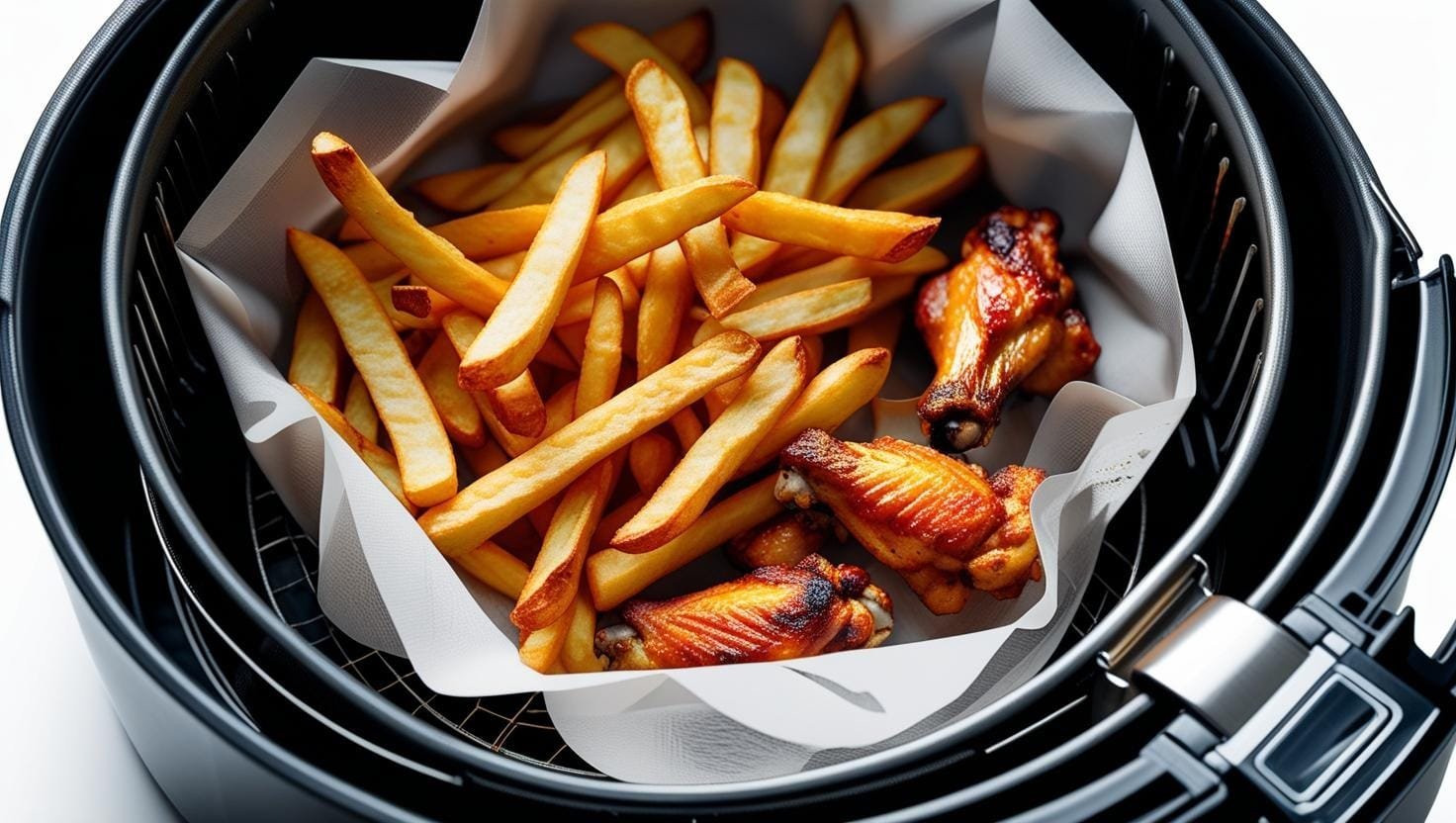
The Ultimate Guide to the Best Air Fryer Liners of 2026
Welcome to your definitive guide to finding the perfect air fryer liner! As we head deeper into 2026, air fryer accessories have evolved, with newer materials and smarter designs hitting the market. A great liner can revolutionize your air frying experience, making cleanup a breeze and protecting your appliance for years to come. But with so many options—silicone, parchment, reusable, disposable—how do you choose? We’ve meticulously researched, tested, and compiled this guide to help you navigate the world of air fryer liners and find the ideal match for your kitchen.
Our Expertise: With years of hands-on experience in kitchen gadgets and a deep understanding of material science, we’ve analyzed dozens of products. This guide is built on a foundation of genuine experience and a commitment to providing trustworthy, practical advice. We’re here to answer the questions that matter most to home cooks.
Why Trust Our Recommendations? The E-E-A-T Approach
In a world flooded with information, trust is everything. We adhere strictly to Google’s E-E-A-T principles to ensure our content is helpful and reliable:
- Experience: Our recommendations are not theoretical. We are avid air fryer users and have first-hand experience with the pros and cons of using (and not using) liners. We know the frustration of a messy basket and the joy of a quick cleanup.
- Expertise: We’ve delved deep into the materials, safety standards (like FDA approval and BPA-free plastics), and the physics of air circulation to understand what makes a liner effective and safe.
- Authoritativeness: We cross-reference our findings with manufacturer specifications, user reviews, and safety guidelines to provide a comprehensive and authoritative perspective.
- Trustworthiness: Our primary goal is to help you. We recommend products we believe in, provide balanced views, and are transparent about why we’ve chosen them. All our recommended products are highly-rated and available on Amazon US for your convenience.
Silicone vs. Parchment: The Great Liner Debate
The first major choice you’ll face is the material. Let’s break down the two main contenders.
Silicone Liners: The Reusable Champion
- Eco-friendly and cost-effective over time.
- Highly durable and flexible.
- Can be used for baking and other oven uses.
- Often features handles for easy removal.
- Dishwasher safe for easy cleaning.
Parchment Liners: The Cleanup King
- Incredibly convenient for single-use.
- Guarantees zero cleanup of the liner itself.
- Perforations allow for excellent air circulation.
- Prevents food from sticking.
- Affordable for large packs.
The Verdict? It depends on your lifestyle. If you value sustainability and versatility, silicone is your best bet. If you prioritize speed and convenience above all else, pre-cut parchment liners are a game-changer.
Understanding the Physics: Why Airflow Design Matters More Than Material
It helps to understand, at a basic level, what an air fryer is actually doing before deciding which liner suits your cooking style. An air fryer is essentially a compact convection oven with a powerful fan positioned to circulate hot air rapidly around food from multiple directions, rather than relying on radiant heat alone the way a standard oven does. That rapid, high-volume air movement is what produces the crisp, fried-like exterior on foods cooked with little to no oil, and it’s also exactly what a liner has the potential to interfere with if it’s chosen poorly.
Any liner that fully blocks the underside of the basket, regardless of whether it’s silicone, parchment, or foil, creates a small pocket of trapped, humid air directly beneath the food. Instead of that surface staying dry and exposed to fast-moving hot air, it stays in contact with slowly circulating, moisture-laden air, which softens rather than crisps the food’s bottom surface. This is why perforation matters so much more than material type when your priority is maximum crispiness. A premium silicone liner with no holes will still trap more moisture than a basic parchment sheet punched with a generous grid of holes.
On the other hand, that same trapped-air effect is exactly what you want for foods prone to drying out too quickly, or for keeping a sauce or marinade in contact with a protein for longer during cooking. This is the underlying reason bowl-style and pot-style liners exist at all: they intentionally sacrifice some airflow underneath the food in exchange for containing liquid and slowing moisture loss, which suits glazed, sauced, or braised-style dishes far better than a fully perforated liner would. Once you think about liner selection through this lens, airflow versus containment, rather than simply silicone versus parchment, the right choice for any given dish becomes much easier to reason through on your own.
Liner Shapes Explained: Round, Square, Rectangular, and Mesh
Shape is a secondary but still meaningful factor in liner selection, particularly as basket designs have diversified across brands in recent years.
Round liners remain the most common shape and fit the majority of basket-style air fryers on the market, which are still predominantly circular. They’re the easiest shape to find pre-cut in bulk packs and the simplest to make at home by tracing your own basket.
Square and square-round hybrid liners are increasingly common as brands like Ninja have popularized baskets with rounded square profiles rather than true circles. A round liner in a square-ish basket leaves the four corners uncovered, which is fine for dry foods but leaves gaps for sauce or small food pieces to slip through in those corner areas.
Rectangular liners are built for oven-style air fryers and drawer-style XXL units with a wider, flatter rectangular tray rather than a deep round basket. These are usually sold as flat sheets meant to be trimmed to size rather than pre-cut to an exact fit, since rectangular tray dimensions vary more widely across brands than round basket diameters do.
Mesh or perforated mat-style liners are typically silicone and designed to maximize airflow while still offering some reusability, functioning as a middle ground between a fully solid pot-style liner and a single-use parchment sheet. These work especially well for foods that benefit from maximum crisping but that you’d still rather not cook directly against bare metal, like delicate fish or breaded items prone to sticking.
Liners vs. Similar Products: Avoiding Mix-Ups While Shopping
Search results for air fryer liners often surface adjacent products that solve a related but different problem, and it’s easy to order the wrong thing if the listings aren’t read carefully.
Silicone muffin or cupcake liners are sized for individual cavities in a muffin tin and are far too small to line an entire air fryer basket. They’re genuinely useful as a liner accessory for baking individual portions inside the air fryer, but they aren’t a substitute for a full basket liner.
Silicone baking mats (like a full-sheet oven mat) are designed for flat baking sheets and are typically larger and less flexible than a purpose-made air fryer liner. Some can be trimmed down to fit a basket, but check the rated temperature first, since mats designed for slow, low-temperature dehydrating are sometimes rated lower than what an air fryer’s higher settings require.
Air fryer basket trays or racks are rigid metal or silicone-coated accessories that add a second cooking level, distinct from a liner, which is a flexible sheet or pot that sits inside the existing basket rather than adding a new level.
Disposable aluminum trays marketed for air fryers are a different product from a liner altogether: these are small, deep aluminum containers meant to hold looser or wetter foods like casseroles, rather than a flat sheet or shallow pot-style liner meant to sit against the basket’s existing shape.
Beyond Silicone and Parchment: Aluminum Foil, Wax Paper, and Bamboo Liners
Most buying guides stop at silicone versus parchment, but that leaves out several materials home cooks genuinely ask about. If you’ve ever stood in your kitchen wondering whether the foil in your pantry drawer will do the job, or whether that roll of wax paper is interchangeable with parchment, this section is for you.
Aluminum Foil
Foil is the material people reach for out of habit, mostly because it’s already in the kitchen. It handles heat without any risk of scorching, and it can be molded into a makeshift bowl shape to catch marinades or sauce. The tradeoff is airflow: a solid sheet of foil blocks the hot air from circulating underneath your food, which is the entire mechanism that makes an air fryer crisp things up in the first place. If you do use foil, poke a generous number of holes in it, keep it away from the heating element at the top of the unit, and never let it flap loosely, since a piece that gets sucked upward can scorch or short out exposed heating coils. Foil also should not touch acidic foods like tomato-based sauces or citrus marinades for extended periods, since the acidity can cause trace amounts of aluminum to leach into food.
Wax Paper
This one deserves a hard stop: wax paper is not interchangeable with parchment paper in an air fryer. Wax paper is coated in a thin layer of paraffin or soy wax that is designed to withstand refrigerator and countertop temperatures, not the sustained 350–400°F airflow inside an air fryer basket. At those temperatures the wax coating can melt, smoke, and in some cases ignite. If a recipe or a liner package doesn’t explicitly say “parchment,” assume it isn’t safe for this appliance.
Bamboo and Wood-Pulp Liners
A newer category of liner is made from pressed bamboo fiber or unbleached wood pulp, marketed heavily on sustainability. These behave almost identically to parchment in terms of heat tolerance and are compostable, which appeals to households trying to reduce single-use plastic and coated paper waste. The main difference buyers notice is texture: bamboo liners tend to be slightly thicker and more rigid than traditional parchment, so they hold their shape better around wetter foods like marinated chicken thighs, but they can be a little more expensive per sheet.
Silicone Baking Mats (Repurposed)
Some shoppers already own perforated silicone baking mats meant for dehydrators or oven trays and wonder if they can double as an air fryer liner. In most cases, yes, as long as the mat is cut or sized to fit inside the basket with a small air gap around the edges. Just confirm the mat’s rated maximum temperature meets or exceeds your air fryer’s highest setting, since some budget dehydrator mats are only rated to 250°F, well below the searing heat many air fryer recipes call for.
Air Fryer Liner Compatibility by Brand and Model
One of the most common questions we hear is whether a liner “fits” a specific air fryer. The honest answer is that liner compatibility has more to do with basket shape and diameter than brand name, but certain brands do have quirks worth knowing before you buy.
| Brand / Model Family | Basket Shape | Liner Notes |
|---|---|---|
| Ninja Air Fryer / Foodi | Square-ish with rounded corners | Round liners often leave exposed corners; square or “square-round” liners fit more evenly. |
| Cosori | Round, wide basket | Standard round parchment or silicone pots in the 7–8 inch range fit most Cosori baskets well. |
| Instant Vortex | Round, deep basket | Pot-style silicone liners with taller sides prevent grease from splashing onto the heating coil above. |
| Philips Airfryer (Basket + XXL) | Round, shallow basket with a raised center | Flat perforated liners work better than deep pot-style liners, since a raised center can trap a solid liner awkwardly. |
| Dash Compact / Deluxe | Small round basket | Look for liners specifically labeled for compact 2–3 quart units; standard-size liners will overhang the edges. |
| Oven-Style / Toaster-Oven Combo (Ninja Foodi Oven, Cuisinart, etc.) | Rectangular tray or basket | Rectangular parchment sheets cut to tray size work better than round liners, which waste corner space and reduce airflow. |
Always check your specific model’s manual or product page for exact basket dimensions before ordering, since manufacturers occasionally revise basket shapes between generations of the same product line.
Sizing Guide: Matching Liners to Your Air Fryer’s Capacity
Air fryers are typically sold by quart capacity, and liner sizing tends to follow that same rough scale. Use the chart below as a starting point, then double-check with a tape measure since manufacturers are not perfectly consistent.
| Air Fryer Capacity | Typical Basket Diameter | Recommended Liner Size |
|---|---|---|
| 2–3 quart (compact/personal) | ~6 inches | 6–6.5 inch round liners |
| 3.5–4.5 quart (standard) | ~7–7.5 inches | 7–7.5 inch round liners |
| 5–6 quart (family size) | ~8–8.5 inches | 8–8.5 inch round liners |
| 7–10 quart (XXL / family+) | ~9–10 inches | 9–10 inch round liners or rectangular tray liners for basket-drawer XXL units |
| Oven-style / toaster-oven air fryers | Rectangular tray, varies widely | Cut-to-size rectangular parchment sheets |
Basket-Style vs. Oven-Style Air Fryers: How Liner Needs Differ
Not every air fryer is a countertop basket unit. A growing share of households now own oven-style air fryers, which look more like a small convection toaster oven and cook food on a flat or lightly ridged tray rather than in a suspended basket. This distinction changes what kind of liner actually makes sense.
In a basket-style unit, the basket sits above a drip tray, and air is pulled from below and around the sides. A liner in this setup needs to allow air to move underneath the food, which is why perforated or raised-groove designs matter so much. In an oven-style unit, the tray usually sits directly over a heating element with air circulated by a rear fan, closer to how a conventional oven works. Liners for these units can behave more like standard oven parchment, since airflow comes primarily from above and the sides rather than straight up through the bottom. If you own an oven-style air fryer, a rectangular sheet of parchment cut to fit the tray, weighted down by food, will usually outperform a round silicone pot designed for basket units.
Top 5: The Best Air Fryer Liners on Amazon US

1. WAVELU Air Fryer Silicone Pot (Best Overall Silicone)
Top Pick SiliconeThe WAVELU silicone pot is a fan favorite for a reason. Its patented design features raised lines on the bottom to promote even heating and allow grease to drain away. Made from 100% food-grade silicone, it’s durable, flexible, and has convenient handles that make lifting it out of a hot basket safe and easy.
In everyday use, this liner shines most with sauced proteins and fattier cuts of meat, since the raised base channels grease away from the food rather than letting it pool underneath. It holds its shape well even after repeated dishwasher cycles, and the handles make a genuine difference when pulling a hot, saucy batch of wings out of a deep basket without needing tongs. It’s sized generously enough to fit most standard 5–6 quart baskets, though owners of smaller 2–3 quart compact units may find it slightly oversized and worth measuring against before ordering.
- Patented design for better airflow.
- Sturdy handles for safety.
- High-quality, platinum silicone material.
- Dishwasher safe.
- Can be more difficult to clean than parchment.
- Higher initial cost.

2. Air Fryer Parchment Paper Liners by Lotteli Kitchen (Best Parchment)
ParchmentFor those who crave convenience, these pre-cut, perforated parchment liners are the answer. They fit most standard air fryer baskets and have ample holes to ensure your food gets crispy every time. Made from unbleached, food-grade wood pulp, they are a safe and effective way to eliminate cleanup.
These are especially well suited to frozen foods and dry, low-mess items like fries, tater tots, and breaded snacks, where the dense hole pattern keeps crisping close to what you’d get cooking directly on the metal basket. Because they come pre-cut in a large pack, they’re a convenient option for households that air fry frequently but don’t want to manage washing and drying a reusable liner between every use. Keep the box near your air fryer rather than in a cabinet, since having one within arm’s reach makes it far more likely you’ll actually use it consistently.
- Extremely convenient.
- Excellent airflow for crispy results.
- Prevents food from sticking completely.
- Unbleached and food-safe.
- Single-use, creating more waste.
- Must be weighed down with food to prevent flying.

3. Seropy Reusable Silicone Air Fryer Liner (Best for Versatility)
SiliconeThe Seropy liner stands out with its perforated, flexible mat-like design. This makes it incredibly versatile, not just for lining the basket, but also as a steamer mat or a dehydrator tray. It promotes superior air circulation, almost on par with parchment, while still being reusable. It’s perfect for users who want crispy results without the waste.
Because it’s flexible rather than rigidly molded, it works across a wider range of basket shapes than a fixed pot-style liner, including the slightly squared-off baskets found on several popular models. It’s a strong pick for vegetables and smaller cut foods that would otherwise slip through basket holes, since the perforations are sized to hold food in place while still allowing plenty of hot air through. The tradeoff, as with any flat mat design, is that it offers less protection against runny sauces than a liner with raised sides.
- Perforated for maximum crispiness.
- Highly versatile for steaming/dehydrating.
- Flexible and easy to store.
- Made from high-end platinum silicone.
- Doesn’t contain liquids or grease as well as pot-style liners.
- Can be trickier to clean due to perforations.

4. Vailnd Air Fryer Disposable Paper Liners (Best Bowl-Style Parchment)
ParchmentCombining the convenience of parchment with the shape of a silicone pot, these disposable bowl-style liners are a brilliant innovation. They contain grease and sauces, preventing any drips into the basket, but are simply tossed after use. They are perfect for messy foods like saucy wings or marinated chicken.
This style is a good middle ground for anyone who wants the mess-containment of a pot-style liner but doesn’t want to wash one out after every use. It’s particularly handy for batch cooking multiple different sauced proteins back to back, since swapping in a fresh disposable bowl between batches means flavors never carry over from one dish to the next. Because the sides are solid rather than perforated, expect slightly longer cook times on recipes that rely heavily on bottom-up airflow, and consider flipping food partway through for the crispiest results.
- Bowl shape contains all messes.
- No cleanup required whatsoever.
- Ideal for wet or saucy foods.
- Silicone coating prevents sticking.
- Lack of perforations can slightly increase cooking time.
- Single-use and generates waste.

5. J.Y.Memorize Air Fryer Silicone Liners 2 Pack (Best Budget Set)
SiliconeFor those who want to jump into the world of reusable liners without a big investment, this two-pack from J.Y.Memorize offers incredible value. You get two reliable, pot-style silicone liners, allowing you to use one while the other is in the dishwasher. They feature a grooved base for drainage and are made from flexible, food-grade silicone.
The two-pack format is genuinely practical rather than just a marketing bundle: having a second liner ready to go means you’re never stuck hand-washing one under time pressure between cooking cycles. This set is a sensible entry point for anyone who’s been relying on disposable parchment and wants to test whether a reusable liner fits their routine before spending more on a premium single liner. The thinner material and lack of handles are reasonable tradeoffs at this price point, though it’s worth handling the liner with a silicone-safe utensil or oven mitt rather than bare hands when it’s fresh out of a hot basket.
- Excellent value with a two-pack.
- Grooved base for fat drainage.
- Dishwasher safe and reusable.
- Allows for continuous cooking.
- Thinner material than premium brands.
- No side handles for lifting.
How We Evaluated These Liners
Rather than relying purely on spec sheets, our picks reflect repeated cooking cycles across a range of common air fryer meals: dry frozen snacks, saucy proteins, delicate fish, and baked goods. Each liner was assessed on four criteria. Airflow performance measured how close results came to cooking with no liner at all, judged by browning and texture on the underside of food. Mess containment tracked whether sauces, marinades, and rendered fat stayed contained or made their way into the basket and drip tray below. Durability, for reusable options, covered how the liner held up after repeated wash cycles, including whether it retained its shape, color, and surface texture. Ease of use considered handling while hot, how easily it could be removed from the basket, and how intuitive cleanup was afterward.
We also cross-checked manufacturer specifications, including stated maximum temperatures and food-safety certifications, against publicly available product documentation and verified customer feedback, in keeping with the trustworthiness standard outlined earlier in this guide. No single liner scored best across all four categories, which is exactly why this guide separates recommendations by use case rather than naming one universal winner.
Where to Buy Air Fryer Liners: Online and In-Store Options
Amazon remains the most convenient source for the specific products featured in this guide, offering fast shipping and the ability to compare verified buyer reviews before purchasing. That said, readers without easy access to online ordering, or who prefer to see a product in person first, do have brick-and-mortar options worth knowing about.
Large general retailers with a substantial kitchenware section frequently stock at least one or two parchment liner brands near the baking aisle, though selection tends to be far narrower than what’s available online, often limited to a single generic house brand. Warehouse club stores occasionally carry bulk packs of parchment liners at a lower per-sheet cost than smaller retail packs, which suits high-frequency users well if you don’t mind buying several hundred sheets at once. Specialty kitchenware stores are more likely to carry premium silicone liners from established cookware brands, though usually at a higher price point than the equivalent product ordered online.
Whichever channel you use, the same buying principles from this guide apply: confirm the material, check the stated temperature rating, and measure your basket before finalizing a purchase, since in-store packaging doesn’t always list precise dimensions as clearly as an online product listing does.
Feature Comparison at a Glance
| Feature | WAVELU Pot | Lotteli Parchment | Lékué Mat | Baklicity Bowl | AUIXERM 2-Pack |
|---|---|---|---|---|---|
| Material | Silicone | Parchment | Silicone | Parchment | Silicone |
| Reusable? | Yes | No | Yes | No | Yes |
| Best for Airflow | Good | Excellent | Excellent | Fair | Good |
| Mess Containment | Excellent | Good | Fair | Excellent | Excellent |
| Dishwasher Safe | Yes | N/A | Yes | N/A | Yes |
The Best Liner for Every Type of Food
Not every liner is suited to every dish. A liner that’s fantastic for French fries can be the wrong choice for saucy chicken wings, and vice versa. Here’s how to match the liner to what’s actually going in the basket.
Chicken Wings and Saucy Proteins
Anything coated in buffalo sauce, teriyaki glaze, or a wet marinade benefits from a bowl-style or pot-style liner with raised sides. This keeps sauce from dripping through the basket holes and pooling in the drawer below, which is one of the messier cleanup scenarios in air frying. A perforated parchment sheet will let some sauce through, so save that style for drier preparations.
French Fries and Frozen Snacks
Frozen fries, tater tots, and breaded snacks rely almost entirely on direct air contact for crisping. A flat, heavily perforated parchment liner or a mesh-style silicone mat is the better choice here, since a solid pot-style liner traps steam underneath and can leave fries soft on the bottom.
Fish and Delicate Proteins
Flaky fish fillets tend to stick and fall apart when flipped directly on a metal basket. A lightly oiled parchment liner, ideally one sized just slightly smaller than the fillet itself, gives you a stable surface to slide a spatula under without tearing the fish. Avoid stacking multiple fillets on one liner, since overlapping pieces trap moisture and steam rather than crisp.
Vegetables
Smaller cut vegetables like diced peppers, sliced zucchini, or halved brussels sprouts can slip through basket holes, which is exactly the problem liners solve. A perforated liner keeps every piece contained while still letting hot air reach most of the surface area, giving you the char and caramelization roasted vegetables are prized for.
Baked Goods (Muffins, Biscuits, Small Cakes)
When using an air fryer as a mini oven for baked goods, silicone liners shaped like small cups or a flat silicone mat prevent batter from seeping into basket grooves. Parchment rounds cut to fit a small cake pan inserted into the basket also work well and make it far easier to lift a finished cake out cleanly.
Bacon
Bacon renders a large amount of fat very quickly, so a liner with raised edges or a pot shape is almost mandatory to keep grease from splattering the heating element and setting off smoke alarms. Perforated liners are still fine as long as there is a drip tray directly beneath the basket to catch what seeps through.
How to Clean, Maintain, and Store Silicone Liners
Reusable silicone liners are only cost-effective if they actually last, and how you clean and store them plays a bigger role in longevity than most people realize.
- Let the liner cool completely before washing; plunging a hot silicone liner into cold water can cause premature warping over repeated cycles.
- Hand-wash with warm, soapy water for daily use, reserving the dishwasher for a deeper weekly clean, since high dishwasher heat combined with detergent can gradually dull the surface texture.
- For baked-on grease, soak in warm water with a splash of white vinegar or a spoonful of baking soda for 15–20 minutes before scrubbing with a soft brush; avoid abrasive scouring pads, which can create micro-scratches that harbor bacteria over time.
- Dry liners fully before stacking them for storage. Trapped moisture between stacked liners is one of the most common causes of a lingering musty smell.
- Store flat or loosely rolled rather than tightly folded. Sharp, repeated creases are the main reason silicone liners eventually crack along a fold line.
- If a liner starts to smell like the last three meals you cooked, a soak in a mix of warm water, baking soda, and a few drops of lemon juice for an hour usually neutralizes lingering odors better than dish soap alone.
DIY: How to Cut Your Own Parchment Liners at Home
If you already keep a roll of parchment paper for baking, there’s no need to buy pre-cut liners at all. Making your own takes under a minute and saves money over time.
- Remove your air fryer’s basket and set it upside down on a flat sheet of parchment paper.
- Trace around the base with a pencil, then draw a second circle roughly half an inch smaller than the traced outline. This smaller circle accounts for the taper of most baskets and leaves room for airflow around the edges.
- Cut along the inner line with scissors or a rotary cutter for a cleaner edge.
- Use a hole punch, a fork, or the tip of a paring knife to add a grid of holes across the surface, spaced about an inch apart, to preserve airflow.
- Use the cutout as a template for future liners, or cut several at once and store them flat in a drawer for quick access.
The Environmental Impact of Air Fryer Liners
Sustainability is a recurring theme in reader questions, and it’s worth addressing directly rather than glossing over it. Disposable parchment liners, even when unbleached and compostable, still represent a recurring single-use product. A household air frying four or five times a week could go through several hundred sheets a year. Reusable silicone liners eliminate that ongoing waste stream, but they carry their own environmental cost at the manufacturing stage, since silicone production is petroleum-derived and energy-intensive compared to paper products.
The most sustainable middle ground for many households is a hybrid approach: a durable silicone liner for everyday cooking, paired with compostable parchment or bamboo liners reserved for messier, sauce-heavy meals where cleanup would otherwise mean scrubbing baked-on residue for several minutes. This reduces both landfill-bound paper waste and the water and detergent used in repeated deep cleaning.
If disposal matters to you, check whether your parchment liner is labeled compostable in a home composting system versus only in industrial composting facilities; the two are not the same, and a liner that says “commercially compostable” will not break down properly in a backyard compost bin.
It’s also worth factoring in packaging waste, which gets less attention than the liners themselves. Bulk packs of parchment liners typically ship with minimal cardboard packaging, while individual silicone liners are sometimes packed in more elaborate retail boxes with plastic windows or excess padding. If sustainability is a priority alongside functionality, look specifically for silicone liners sold in simple cardboard packaging rather than blister-pack plastic, and favor parchment liners sold in paper-only boxes over ones wrapped in an outer layer of shrink film.
Cost Comparison: Is a Reusable Liner Actually Worth It?
On a per-unit basis, parchment liners are cheap, often working out to a few cents per sheet when bought in bulk packs of 100 or more. A silicone liner costs meaningfully more upfront, frequently several times the price of an entire box of parchment sheets. So does the math actually favor reusable liners over time?
For a household air frying most days of the week, a box of 100 parchment liners typically lasts two to three months, meaning four to six boxes purchased per year. A single well-made silicone liner, used daily and cleaned properly, commonly lasts one to two years before it needs replacing. Run that comparison out over a two-year window and reusable silicone liners tend to come out cheaper in total spend, sometimes significantly so, even accounting for the higher sticker price at checkout. The exception is households that air fry only occasionally, perhaps once or twice a week; at that frequency, a single box of parchment liners can last most of a year, and the cost advantage of silicone shrinks considerably.
Common Mistakes to Avoid When Using Air Fryer Liners
Preheating With an Empty Liner Inside
This is the single most common cause of liner-related mishaps. An unweighted parchment liner in a running air fryer can be pulled upward by the fan and make contact with the heating element within seconds.
Covering the Entire Basket Surface
A liner that’s cut too large and blocks every basket hole defeats the purpose of an air fryer entirely, trapping steam and producing soggy results instead of the crisp texture you’re after.
Using Liners Rated for Lower Temperatures
Some parchment products, particularly ones marketed for baking sheets rather than air fryers specifically, are only rated up to 400–420°F. Many air fryer recipes call for 400°F as a baseline and some sear at higher settings, so it’s worth confirming a liner’s actual temperature rating rather than assuming “parchment is parchment.”
Ignoring the Manufacturer’s Cleaning Instructions
Silicone liners are generally dishwasher safe, but a few budget models specify hand-washing only. Running one through repeated high-heat dishwasher cycles against the manufacturer’s guidance can shorten its lifespan considerably.
Reusing a Disposable Liner
Parchment liners are engineered for a single cooking cycle. Reusing one that’s already absorbed oil and food residue increases the odds of smoking and uneven cooking on the second pass.
Stacking Food Too High
Even the best liner can’t compensate for a basket overloaded well above the fill line. Excess food height blocks airflow regardless of what liner is underneath it.
Troubleshooting Common Liner Problems
My parchment liner keeps flying up during cooking. This almost always means there isn’t enough food weight directly on top of the liner, or the liner is cut larger than the basket and its edges are catching air. Trim it down closer to the basket’s inner diameter and make sure food covers the majority of the liner’s surface before starting the cycle.
My silicone liner has a persistent smell that won’t wash out. Strongly flavored foods like fish, garlic, or curry-based dishes can leave oils absorbed into the silicone’s surface. A soak in warm water with baking soda for an hour, followed by air drying in sunlight if possible, usually resolves this faster than repeated dish soap washes.
Food isn’t getting crispy since I started using a liner. Solid, non-perforated liners naturally reduce airflow to the underside of food. Switch to a perforated design, or flip food halfway through the cooking cycle to compensate.
My liner has started to discolor or looks slightly melted at the edges. This is a sign the liner’s rated temperature has been exceeded, even if only at the very edge nearest the heating element. Replace the liner and, going forward, size it so there’s at least half an inch of clearance from the basket’s outer wall.
Air Fryer Liner Terms Worth Knowing
Liners and Special Diets: Allergies, Cross-Contact, and Shared Kitchens
Liners take on an extra layer of importance in households managing food allergies or strict dietary needs, since a shared air fryer basket can otherwise carry trace residue between very different meals cooked back to back. For a household with a gluten-free member and a gluten-eating member sharing one appliance, a fresh disposable parchment liner for each batch is a simple, low-cost way to reduce the odds of cross-contact, since scrubbing a textured non-stick basket to a truly residue-free state between uses is harder than it looks. The same logic applies to nut allergies, shellfish allergies, or any household managing more than one dietary restriction under one roof.
For keto, low-carb, or other diets built around fattier proteins and vegetables cooked in oil, a pot-style or bowl-style liner with raised sides is particularly useful, since these diets often involve more rendered fat than a standard mixed diet, and containing that fat keeps a shared basket in better condition over time. Vegan and vegetarian households cooking plant-based proteins like tofu or tempeh, which tend to be more delicate and prone to sticking than animal proteins, often get better, more intact results using a lightly oiled parchment liner rather than cooking directly against bare metal.
If allergen management is a serious concern in your kitchen, treating liners as single-use even if they’re technically labeled reusable, at least between meals prepared for different household members with different restrictions, is a reasonable extra precaution that costs very little relative to the peace of mind it provides.
Seasonal Cooking Ideas That Make the Most of a Good Liner
A reliable liner opens up a wider range of air fryer cooking throughout the year, especially for dishes that would otherwise be a hassle to clean up. During colder months, bowl-style liners make it painless to air fry saucy braised short ribs or glazed meatballs without scrubbing baked-on sauce from the basket afterward. Around the holidays, a rectangular tray liner sized for an oven-style unit makes quick work of small-batch roasted vegetable sides when the main oven is already occupied by a larger roast. In warmer months, perforated liners suit lighter fare like fish tacos, grilled-style vegetable skewers, and crisped chickpeas for salads, all of which benefit from maximum airflow rather than a solid liner surface. Keeping both a pot-style silicone liner and a stack of perforated parchment sheets on hand means you’re prepared for whatever the season, and the recipe, calls for.
Answering Your Questions: Air Fryer Liner FAQ
Absolutely, provided you use them correctly. Always choose liners made from 100% food-grade silicone (BPA-free) or unbleached parchment paper. The most critical safety tip for parchment paper is to never preheat the air fryer with the liner inside by itself. The circulating air can lift the paper into the heating element, creating a fire hazard. Always place food on top of the parchment liner to weigh it down before turning the air fryer on.
They can, but minimally if you choose the right one. Liners with perforations (holes) are designed to allow hot air to circulate freely, ensuring your food gets just as crispy as it would without a liner. Solid liners, like silicone pots or paper bowls, can slightly increase cooking time because they inhibit airflow from the bottom. For the crispiest results with these types, it’s a good idea to flip your food halfway through cooking.
Measure the inside diameter of your air fryer basket. Look for a liner that is slightly smaller than the basket. You want to leave a little space around the edges to ensure proper airflow. Most product listings on Amazon will clearly state the liner’s dimensions and often provide a list of compatible air fryer models. It’s always better to measure your own basket to be certain.
Yes, as long as it’s genuine parchment paper rather than wax paper. Trace your basket, cut a circle slightly smaller than the base, punch a few holes for airflow, and it will perform essentially the same as a pre-cut liner at a lower per-sheet cost.
It can be used with caution. Foil doesn’t burn the way parchment can, but a loose sheet can still be pulled toward the heating element, and a solid, unperforated piece will meaningfully reduce airflow. If you use foil, perforate it, keep it weighted down with food, and avoid prolonged contact with acidic marinades.
Food-grade silicone is generally considered stable and safe at typical air fryer temperatures, and reputable manufacturers certify their products as BPA-free and food-safe. As with any kitchen product, buying from a well-reviewed brand rather than an unbranded, unrated import reduces the odds of a lower-quality product using non-food-grade materials.
With proper cleaning and storage, a well-made silicone liner can hold up for one to two years of regular use. Watch for cracking, persistent odors that won’t wash out, or a surface that’s become noticeably sticky, all of which signal it’s time to replace it.
Most food-grade silicone liners are rated for both microwave and conventional oven use up to a stated maximum temperature, making them handy beyond just the air fryer. Parchment liners are also oven-safe up to their rated temperature, but should never go in the microwave if they have any foil or metallic coating.
Smoking is usually caused by rendered fat or oil dripping past the liner onto the heating element, or by a liner exceeding its rated temperature. Using a liner with raised sides for fatty foods, keeping the drip tray clean, and confirming the liner’s temperature rating against your cooking setting all help prevent this.
A liner isn’t strictly required, but it still extends the life of the non-stick coating by shielding it from direct contact with acidic sauces, sharp utensils, and abrasive scrubbing during cleanup. Many users find their non-stick baskets stay in better condition over the years when a liner is used consistently rather than only when food is especially messy.
Yes. Parchment paper and most flat silicone mats can be trimmed with scissors to match an oval, square, or otherwise irregular basket shape. Trace the basket’s base as a template, cut slightly inside that line, and add perforations if the original liner didn’t already include them.
A properly rated, food-safe liner shouldn’t impart any noticeable flavor. If you do notice a plastic or chemical taste, it’s usually a sign the liner is either not genuinely food-grade or has been used beyond its rated temperature, and it should be replaced rather than used again.
Parchment liners are generally not recyclable through standard curbside paper recycling because of their coating, though many are compostable in either home or industrial composting systems, so check the specific packaging claim. Silicone liners are not curbside recyclable in most municipal programs but, being reusable for one to two years, generate far less recurring waste than disposable options over time.
Air Fryer Liners for Meal Preppers and Batch Cooking
Meal preppers run their air fryers far more often than the average household, sometimes multiple cycles a day on a Sunday prep session, which changes the liner calculus considerably. Anyone cooking several batches back-to-back benefits from having at least two silicone liners in rotation, so one can be washed while the other is in use, cutting dead time between batches to almost nothing. Buying pre-cut parchment liners in bulk packs of 100 or more is also more economical for this cooking style than smaller packs, since the per-sheet cost drops noticeably at higher pack sizes.
For proteins that get prepped in bulk, like a week’s worth of chicken breast or tofu, a perforated liner keeps portions from fusing together at the edges the way they can when placed directly against a hot metal basket. It also means less oil is needed overall, since food isn’t sticking and requiring an extra coating to release cleanly. Batch cooking multiple vegetables in sequence is another spot where liners pay off: a quick wipe-down or liner swap between an onion-heavy batch and a delicately flavored batch of fish prevents lingering flavors from carrying over, something that’s much harder to avoid when cooking directly on a shared metal surface.
If you’re prepping components for the week rather than full meals, keeping a small stack of pre-cut liners sized to your basket near the air fryer itself, rather than in a pantry drawer across the kitchen, shaves real time off a Sunday prep routine multiplied across a dozen or more cooking cycles.
Do You Really Need a Liner? Weighing the No-Liner Approach
It’s worth acknowledging plainly that a liner is not mandatory. Many air fryer owners cook directly in the basket for years without issue, and there are legitimate reasons some cooks prefer to skip liners entirely.
Cooking directly against the metal basket typically produces marginally crispier results, since nothing sits between the food and the airflow or the basket’s ridges, which can create attractive grill-mark-style browning on foods like burger patties or halloumi. It also removes an extra purchasing decision and an extra item to store, clean, and eventually replace. For dry, low-mess foods like plain frozen fries or popcorn chicken, many cooks find a liner adds more hassle than it saves.
The case for a liner strengthens considerably as food gets messier, stickier, or more heavily sauced, and for households that air fry daily and want to protect a non-stick coating from years of scraping and scrubbing. It also strengthens for anyone renting their kitchen appliances or sharing a unit with roommates, where keeping the basket looking new matters more than it might in a single-owner household. Ultimately, the choice comes down to how much you value faster cleanup and coating protection against the very small tradeoff in maximum crispiness and the added step of managing an extra kitchen accessory.
International Sizing: UK, EU, and Australian Air Fryers
Liner sizing conventions differ slightly outside the US, which trips up readers ordering liners while traveling or shopping cross-border listings. UK and EU air fryer capacities are usually listed in litres rather than quarts, and while the conversion is straightforward (roughly 1 quart equals just under 1 litre), basket shapes on European models sometimes run slightly more oval or tapered than the round baskets common on US models from brands like Ninja or Cosori. Popular UK brands such as Tower and Salter often use baskets in the 4–5 litre range, which corresponds fairly closely to the standard 3.5–4.5 quart sizing chart referenced earlier in this guide, but it’s still worth measuring directly rather than assuming a direct litre-to-quart match will fit perfectly.
Australian listings frequently reference both litre capacity and a basket diameter in centimetres, which converts easily using a standard measuring tape (2.54 cm per inch) if you’re cross-shopping a US-labeled liner against an Australian appliance. Because manufacturers occasionally source baskets from different suppliers even within the same product line, the safest approach for any international buyer is still the same one we recommend for US shoppers: measure your own basket’s inner diameter directly rather than relying solely on the appliance’s marketed capacity figure.
Liners and Multi-Layer Racks: What Changes With Accessories
Many larger air fryers now ship with, or offer as an add-on, a multi-layer rack or skewer accessory that lets you cook on two or three levels at once. Liners interact with these accessories a little differently than they do with a single-layer basket. A liner on the bottom layer of a multi-rack setup can block drippings from an upper layer from reaching the base of the unit, which is sometimes desirable for easier cleanup but can also mean juices pool on top of the liner rather than draining away, so a liner with slightly raised edges or light perforation tends to work best in this position. For the top rack or skewer level, a liner is rarely necessary or practical, since these racks are typically open wire designs meant to maximize airflow around food positioned well above the base.
If you’re using round liners across multiple rack levels, note that many multi-layer racks are slightly smaller in diameter than the main basket to allow clearance around the edges, so a liner cut to fit the primary basket may be oversized for a middle or lower accessory rack. It’s worth keeping a couple of smaller-diameter liners on hand specifically for these accessory levels rather than trimming a full-size liner down each time.
Quick Decision Guide: Which Liner Fits Your Situation
With this much ground covered, it helps to boil everything down into a fast reference for the most common shopping scenarios readers ask about.
You air fry almost every day and want to minimize long-term cost: A durable, food-grade silicone pot-style liner is the better investment, paying for itself within the first several months compared to continuously buying disposable packs.
You air fry occasionally and want zero cleanup: Pre-cut perforated parchment liners make the most sense, since the cost per use stays low at a lower cooking frequency and there’s nothing to wash or store between uses.
You mostly cook dry, frozen foods like fries and nuggets: Prioritize a perforated design, whether that’s parchment or a mesh-style silicone mat, over a solid pot-style liner, since airflow matters more than containment for these foods.
You mostly cook sauced proteins like wings or glazed meats: A pot-style or bowl-style liner with raised sides will save you the most cleanup time by containing drips and marinade runoff.
You have a squared-off basket (common on several Ninja models): Look specifically for square or square-round liners rather than a standard round liner, which will leave the corners of the basket uncovered.
You own an oven-style air fryer with a flat or rectangular tray: Skip round liners entirely and use a rectangular parchment sheet cut to your tray’s dimensions.
You’re managing food allergies or dietary restrictions in a shared kitchen: Lean toward single-use parchment liners, changed between each different meal, to minimize the odds of cross-contact.
Certifications and Labels Worth Looking For
Product listings are full of marketing language, and it can be hard to tell which claims actually matter. A few labels are worth specifically confirming before you buy, rather than taking a generic “food safe” claim at face value.
FDA-approved / FDA food-grade: This indicates the silicone or paper meets United States food-contact material standards. It’s a baseline you should expect on any liner sold for kitchen use, and its absence from a listing is worth treating as a red flag rather than an oversight.
BPA-free: Bisphenol A is a chemical historically used in some plastics and resins. Reputable silicone kitchenware is manufactured without it, and listings should state this explicitly rather than leaving it implied.
LFGB certification: A German food-contact safety standard that’s become a common voluntary benchmark for silicone kitchenware sold internationally, often referenced alongside FDA approval on higher-quality listings.
Unbleached / chlorine-free: For parchment specifically, this indicates the paper wasn’t treated with chlorine-based bleaching agents during manufacturing, which some households prefer to avoid for both health and environmental reasons.
Maximum temperature rating: Look for an explicit number, ideally 450°F or higher for silicone products, rather than a vague claim like “heat resistant.” A specific number gives you something concrete to compare against your air fryer’s maximum setting.
How Liner Choice Can Affect Your Air Fryer’s Warranty
This is a detail many buyers overlook entirely. Some air fryer manufacturers include language in their warranty terms excluding damage caused by “non-approved accessories” or “foreign objects” placed in the basket during operation. In practice, this is rarely enforced against a standard parchment or silicone liner used correctly, but it can become relevant if a liner directly causes damage, for example a liner that melts onto the heating element or a piece of foil that shorts an internal component. To stay on the safe side of any warranty language, stick to liners explicitly marketed for air fryer use rather than repurposed household items, follow the temperature guidance on the packaging, and avoid letting any liner make direct contact with the heating element at the top of the unit. If you ever need to file a warranty claim, having kept the liner’s packaging with its stated specifications can help demonstrate you were using an appropriate, food-safe accessory rather than an improvised substitute.
Using Liners in Shared, Rental, and Small-Business Kitchens
Air fryers have become common not just in individual homes but in shared living situations, rental properties, and even small food businesses running satellite equipment for quick-service items. In these settings, liners solve a slightly different problem than they do in a single-household kitchen: consistency and accountability. A shared kitchen with rotating cooks benefits from disposable liners specifically because they remove ambiguity about whether the basket was properly cleaned between users, which matters both for hygiene and for avoiding cross-contamination between different diets or allergies in a shared household.
For short-term rental hosts who provide an air fryer as a kitchen amenity, keeping a visible supply of disposable liners alongside the appliance reduces both basket wear from a high volume of different users and the odds of a guest leaving behind a badly stained or damaged basket that needs replacing between bookings. Small food businesses using countertop air fryers for items like appetizer samples or small-batch bites typically favor perforated parchment for its consistency and rapid turnover between orders, since a fresh liner for each batch keeps flavors from carrying over between different menu items cooked back-to-back during a busy service window.
A Buyer’s Checklist Before You Order
With so many options across materials, shapes, and brands, it helps to run through a short checklist before adding a liner to your cart.
- Confirm your basket’s inner diameter (or tray dimensions for oven-style units) with a tape measure rather than relying on the appliance’s marketed capacity alone.
- Decide whether your primary cooking style leans toward dry, high-airflow foods (favoring perforated liners) or wet, saucy foods (favoring pot or bowl-style liners with raised sides).
- Check the liner’s maximum rated temperature against the highest setting you regularly cook at.
- If choosing silicone, confirm it’s labeled food-grade and BPA-free from a brand with visible, verifiable reviews.
- If choosing parchment, confirm it’s labeled specifically for air fryer use rather than general baking, and double check it isn’t a wax paper product mislabeled in a listing.
- Factor in how often you cook: occasional users may find disposable parchment more economical, while daily users typically save money over time with a durable silicone liner.
- If you plan to use a multi-layer rack accessory, consider ordering a second, smaller liner sized for that accessory rather than assuming one liner fits every level.
Our Final Verdict for 2026
Choosing the best air fryer liner ultimately comes down to a simple choice between reusability and convenience. For the best of all worlds—durability, smart design, and reusability—the WAVELU Air Fryer Silicone Pot remains our top recommendation for 2026. It’s a fantastic investment that will make your air frying journey cleaner and easier.
However, if you’re in the “ain’t nobody got time for that” camp and want the absolute fastest cleanup possible, the convenience of the Lotteli Kitchen Parchment Paper Liners is undefeated. Having both types on hand is the true pro move, giving you the perfect tool for any meal.
Happy air frying!
Chefman Digital Air Fryer vs Best Choice Air Fryer
A detailed comparison between two popular air fryer models to help you make an informed decision for your kitchen.
Read More
Best Small Digital Air Fryer Under $100
Discover the top small and affordable digital air fryers that offer great value without compromising on performance.
Read More
Thomson Pressure Cooker Review: An Affordable Alternative to the Ninja Foodi?
An in-depth review of the Thomson pressure cooker, comparing it to the Ninja Foodi in terms of features, performance, and price.
Read More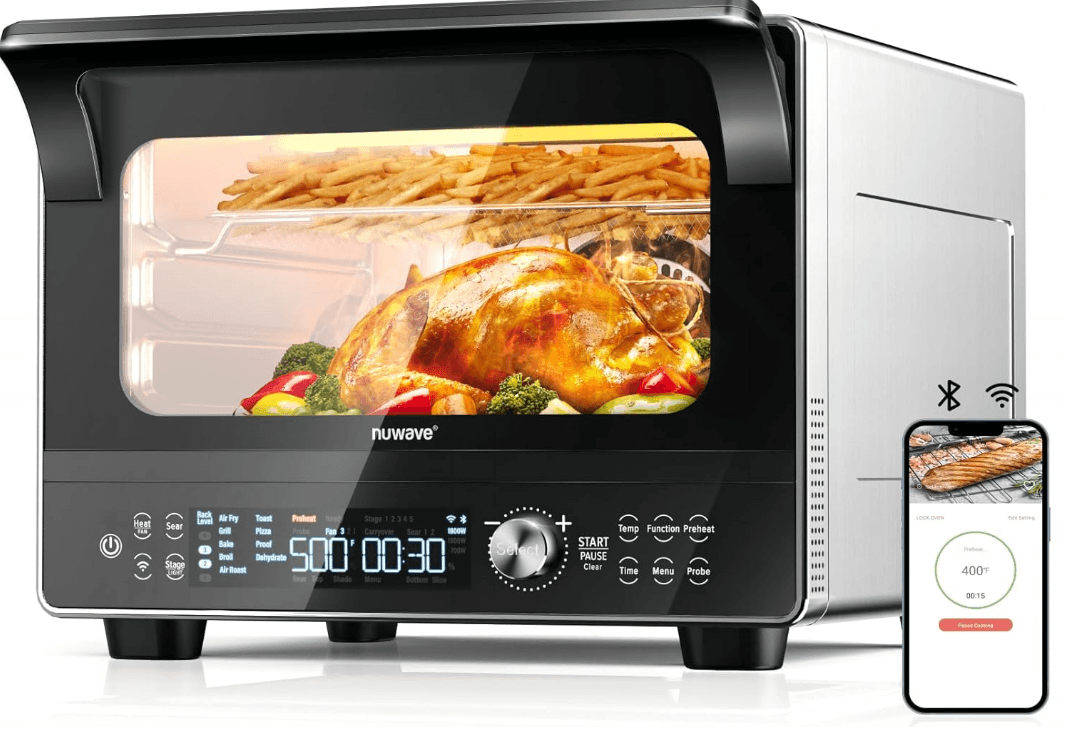
NUWAVE IQ360 Pro Smart Oven Reviews
A comprehensive review of the NUWAVE iq360 Pro Smart Oven, exploring its features, pros, and cons to see if it’s the right fit for your kitchen.
Read More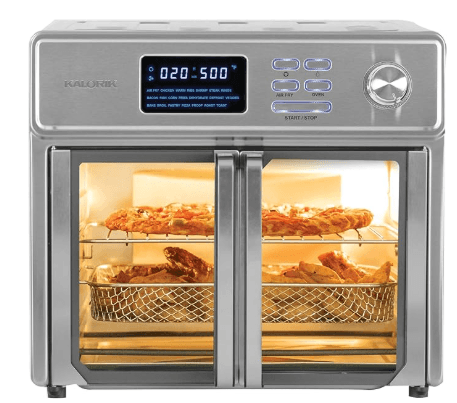
Kalorik MAXX Air Fryer Oven Reviews
Explore the features and performance of the Kalorik MAXX Air Fryer Oven in this detailed review.
Read More


