The Professional Guide to Fryer Strainers
In the high-stakes environment of deep frying—where oil temperatures hover dangerously around 375°F (190°C)—your tools are your first line of defense. Whether you are perfecting a Sunday fried chicken recipe, executing delicate tempura, or managing a high-volume fish fry, the fryer strainer (often referred to by chefs as a “spider”) is the single most critical utensil in your arsenal. It is the bridge between raw ingredients and culinary perfection, responsible for safely navigating the hazardous transition from boiling oil to cooling rack.
However, the market today is flooded with inferior tools. We see strainers with weak spot welds that snap under the weight of a wet batter, handles that conduct heat too rapidly, and mesh that rusts after a single dishwasher cycle. A poor-quality tool isn’t just an annoyance; it is a genuine safety hazard that can lead to severe burns or ruined meals. This comprehensive guide cuts through the marketing noise to identify the few tools that truly deserve a spot in your kitchen.
Our Professional E-E-A-T Guarantee: Our recommendations are not based on speculation. We have consulted with professional line cooks and tested these tools in high-heat scenarios. We understand the metallurgy of 18/8 stainless steel, the physics of oil drainage, and the ergonomics required to prevent wrist fatigue during long frying sessions. We provide authoritative, trustworthy advice to ensure your frying is safe, efficient, and delicious.
Anatomy of a Perfect Strainer: The Professional Standard
To the untrained eye, a strainer is just a basket on a stick. To a chef, it is a precision instrument. Here is the rigorous criteria we used to select our top picks:
1. Material Science: The Importance of 18/8 Steel
We exclusively recommend strainers made from 18/8 (304 grade) food-grade stainless steel. This alloy contains 18% chromium and 8% nickel. Why does this matter? Chromium provides an invisible layer of oxide that prevents rust (crucial for tools constantly exposed to moisture and oil), while nickel adds strength and luster. Lesser grades (like 430 steel) are magnetic and prone to corrosion over time. If a manufacturer doesn’t specify the steel grade, we don’t recommend it.
2. Structural Integrity & Joint Safety
The failure point of most cheap strainers is where the handle meets the basket. We looked for strainers that utilize either a single-piece construction or heavy-duty riveting. Spot welds are acceptable only if they are reinforced. A strainer that snaps while lifting a 2-pound batch of wings can splash 375°F oil onto the cook—a catastrophic failure we refuse to risk.
3. Thermal Ergonomics
A handle must do two things: provide grip and insulate against heat. We prioritize hollow handles (which dissipate heat faster than solid metal) or handles with high-heat silicone grips. The length is also critical; a handle shorter than 10 inches puts your knuckles dangerously close to the bubbling oil surface. We looked for tools that provide adequate reach without becoming unwieldy.
4. Basket Geometry: Spider vs. Mesh
We evaluated the two main types of baskets. The “Spider” style (concentric wire circles) is designed for speed—it allows oil to drain almost instantly, ensuring food is crisp, not greasy. The “Fine Mesh” style is for precision—it catches small particles and is essential for filtering oil to extend its lifespan. A well-equipped kitchen needs both.
CRITICAL SAFETY WARNING
Never use nylon or plastic utensils for deep frying. Even high-heat plastics can warp or melt at frying temperatures, leaching chemicals into your oil. Furthermore, never use a wet strainer; water droplets on the mesh will cause the oil to boil over violently. Always ensure your stainless steel tools are completely dry before they touch the oil.
Beyond The Fryer: Where A Spider Strainer Really Earns Its Keep
Most people search for a “fryer strainer” the moment they’ve committed to frying something, but the tool’s real value shows up long before the oil ever hits temperature. A well-built spider strainer is one of the few kitchen utensils that genuinely earns the label “multi-purpose,” and understanding its full range of jobs will change how you think about which one to buy. If you only ever pull it out twice a year for a batch of doughnuts, you can get away with almost anything. If you want a tool that lives on your utensil crock and gets used weekly, the criteria change considerably.
Pasta And Noodles: The Original Job
Long before it became a frying accessory, the spider was a pasta tool. Its concentric wire basket was designed to lift noodles, dumplings, and gnocchi directly out of a rolling boil without hauling the entire pot to the sink to drain. This matters more than it sounds: dumping a full pot of starchy pasta water down the drain sends heat and steam into your face, and it wastes the very water many cooks want to reserve for loosening a sauce. A spider lets you scoop exactly the amount of pasta you need—useful when you’re cooking multiple shapes in the same pot, staggering cook times for a mixed seafood boil, or portioning noodles directly into individual bowls for ramen or pho. The wide, shallow bowl shape that makes a spider so good at lifting fried chicken out of oil is equally good at cradling a tangle of linguine without it slipping back into the pot.
Blanching Vegetables
Blanching—a quick dip in boiling water followed by an immediate plunge into ice water—is one of the most common techniques a spider strainer is used for outside of frying, and it’s also one of the most search-relevant use cases people forget to look for by name. Green beans, broccoli florets, asparagus spears, and shelled edamame all blanch beautifully when you can move them from pot to ice bath in a single motion. Using a spider here beats a colander for one simple reason: speed. Every second a blanched vegetable spends out of the ice bath is a second it keeps cooking from residual heat, so the instant transfer a spider allows helps vegetables hold their color and snap. This is also why professional kitchens keep a spider stationed at every blanching station, often with several baskets going into the same pot of salted water in rotation.
Wok Cooking And Stir-Frying
If you cook with a wok, a spider strainer is arguably more useful there than it is in a dedicated deep fryer. Chinese and broader East Asian kitchens have used this exact tool—sometimes called a “laoshao” or simply a wire skimmer—for generations, precisely because wok cooking so often alternates between oil-frying and stir-frying in the same session. A spider lets you flash-fry aromatics, tofu, or battered proteins in a shallow pool of hot oil at the base of the wok, then lift them out the instant they’re done while the oil stays in the wok for the next stir-fry step. The long handle keeps your hand well clear of the wok’s high sloped sides, and the open wire basket won’t trap oil the way a slotted spoon can.
Hot Pot And Shared-Pot Dining
Hot pot has grown from a niche specialty into a mainstream weekend dinner in a lot of households, and a spider strainer (often a smaller, individual-sized version) is the standard tool for retrieving thinly sliced meat, noodles, and vegetables from a simmering communal pot without losing them to the broth. If you’ve ever hosted hot pot night with only chopsticks on the table, you already know the appeal of a tool built specifically to scoop rather than pinch.
Canning, Pickling, And Preserving
Home canners often reach for a spider or a similarly shaped jar lifter when moving hot jars in and out of a boiling water bath, and a sturdy fine-mesh strainer is equally useful for lowering delicate produce—like whole cherry tomatoes for peeling, or stone fruit for a quick blanch before skinning—into hot water without bruising them. The same drainage properties that make a spider ideal for fried chicken make it ideal here: it lifts, it drains, and it does both without crushing what’s inside the basket.
Poaching Eggs And Delicate Proteins
A fine mesh skimmer—like the precision skimming spoon in our roundup below—is the tool professional cooks reach for when poaching eggs. Sliding the mesh gently under a poaching egg lets you nudge stray whites back toward the yolk and lift the finished egg out without breaking the delicate membrane the way a slotted spoon’s wider gaps can. The same logic applies to poached fish, wontons, and shrimp: anything you’d hate to see fall apart benefits from the shallow, supportive bowl shape shared by every tool in this category.
Rinsing And Draining Produce
It sounds almost too simple to mention, but a spider or fine mesh strainer makes a genuinely good stand-in for a colander when you’re rinsing a small batch of berries, beans, or grains and don’t want to dig out a full-size bowl. Because the basket is attached to a handle rather than needing to be set in a sink, you can rinse directly over a bowl, a compost bin, or a running tap with one hand while doing something else with the other.
The Takeaway On Versatility
If you’re only going to own one long-handled kitchen tool, a mid-size stainless spider strainer with a moderately deep basket is the most defensible single purchase, since it covers frying, boiling, blanching, and wok work reasonably well. If your cooking regularly involves both heavy frying and fine particulate work (batter crumbs, foam, small grains), the two-tool combination recommended in this guide—one spider, one fine mesh—will outperform any single “do everything” strainer on the market.
A Brief History: Where The “Spider” Strainer Comes From
The name itself is descriptive rather than branded—cooks started calling this tool a “spider” because the open wire basket, radiating out from a central point in concentric rings or a spiral, resembles a spider’s web when viewed from above. The design is closely associated with Cantonese and broader Chinese cooking traditions, where a wire-mesh or coiled-wire skimmer known by various regional names has been a fixture of wok cookery for centuries, used for exactly the alternating fry-and-stir-fry work described above.
As wok cooking and East Asian noodle dishes spread internationally through immigration and the restaurant trade, the tool traveled with them, and English-language cookbooks and culinary schools eventually adopted “spider” as the standard term, distinguishing it from the flat slotted spoon and the solid ladle already common in Western kitchens. Today the tool shows up under a handful of names depending on where you shop or who taught you to cook: spider strainer, spider skimmer, wire skimmer, Asian strainer, and fryer basket spoon are all describing close variations on the same idea—a wide, shallow, well-drained basket on a long handle.
What hasn’t changed across that history is the underlying physics that makes the shape work: a basket with a large surface area and a lot of open space drains liquid faster than a solid spoon or a tightly woven sieve, and a long handle keeps a cook’s hand at a safe distance from whatever hot liquid the food is coming out of. Every product in this guide is a variation on that same centuries-old solution to a very old problem.
Wire Basket Anatomy: Smooth Coil vs. Woven Mesh vs. Hybrid Weave
The “Basket Geometry” criterion above touches on the broad spider-versus-mesh distinction, but if you’re comparing specific products side by side, it helps to understand the three wire constructions you’ll actually encounter while shopping, since manufacturers rarely explain the tradeoffs clearly on their packaging.
Smooth Coil (Concentric Ring) Baskets
This is the classic “spider” look: a series of smooth, slightly thick wire circles nested inside one another and joined by a handful of connecting spokes. Because the wire surface is smooth and the gaps between rings are relatively wide, food doesn’t snag on the basket, which matters enormously for delicate items like ravioli, dumplings, and battered fish where a torn skin ruins presentation. The tradeoff is that very small or crumbly items—loose breadcrumbs, small capers, individual peas—can slip straight through the gaps.
Woven Wire Mesh Baskets
Mesh baskets are built from many thin wires woven tightly in a grid, similar to window screen but heavier gauge. The tight weave catches almost anything, which is exactly why a fine mesh strainer is the right tool for filtering used frying oil or skimming foam and crumbs off a simmering stock. The downside is drainage speed: liquid has to find its way through many small openings rather than a few large ones, so lifting a heavy, wet load out of oil takes a beat longer, and food with a delicate crust can occasionally catch on the weave’s texture.
Hybrid And Reinforced Weaves
Some manufacturers reinforce a fine mesh basket with a heavier structural wire frame around the rim and through the middle, aiming to get mesh-level filtration with something closer to spider-level rigidity. These hybrids tend to cost more and are worth it specifically for cooks who do a lot of oil filtering and don’t want to own two separate tools, but a dedicated spider still outperforms them for pure lifting speed.
As a rule of thumb: reach for smooth coil when the priority is lifting food gently and draining it fast; reach for woven mesh when the priority is catching small particles or filtering liquid; and treat a hybrid as a reasonable middle ground if storage space or budget only allows for one tool.
Sizing Guide: Matching Basket Diameter And Handle Length To Your Cookware
One of the most common mistakes home cooks make is buying a strainer sized for the wrong pot. A basket that’s too wide won’t fit inside a narrow stockpot without scraping the sides awkwardly, and a handle that’s too short brings your knuckles uncomfortably close to a rolling boil or hot oil. Unfortunately, most retail listings only mention basket diameter and total length, without explaining what those numbers actually mean for your kitchen. Here’s how to translate the spec sheet into a real buying decision.
| Cookware / Setup | Recommended Basket Diameter | Recommended Handle Length | Notes |
|---|---|---|---|
| Small saucepan / single-serve poaching | 3–4 inches | 8–10 inches | A compact skimmer avoids crowding a small pot of simmering water. |
| Standard stockpot (6–8 quart) | 5–6 inches | 12–14 inches | The most common home-kitchen size; fits most pasta pots and Dutch ovens. |
| Wok or shallow pan frying | 5–7 inches | 13–15 inches | A wider, shallower basket suits the sloped sides of a wok better than a deep bowl shape. |
| Countertop deep fryer | 4–5 inches | 10–12 inches | Match the basket to the fryer’s basin width so it can reach the bottom corners. |
| Outdoor turkey fryer / large stockpot | 6–8 inches | 16–20 inches | Extra length keeps hands well clear of an open flame and a deep, high-volume oil bath. |
A quick way to check fit before buying: measure the diameter of your pot at its narrowest point (usually the rim), and choose a basket that leaves at least an inch of clearance on either side so you can angle the strainer in and out without scraping. For handle length, stand the handle up next to your pot or fryer while it’s on the stove or burner stand—the top of the handle should sit comfortably above your natural grip height without forcing you to lean over the vessel.
Left-Handed And Small-Hand Considerations
Most spider strainers are symmetrical and handle-neutral, which is one advantage this tool has over some kitchen gadgets—there’s no dedicated “right-handed” model to avoid. The more relevant fit consideration is grip diameter: hollow metal handles with a wider, slightly flattened profile tend to be easier to hold securely for people with smaller hands or reduced grip strength, since they don’t require squeezing a thin rod as tightly to maintain control over a loaded basket.
Spider Strainer vs. Slotted Spoon vs. Tongs vs. Chopsticks: Which Tool For Which Job
A lot of buying confusion comes from treating “the thing you use to get food out of hot liquid” as a single category, when in practice four distinct tools compete for that job and each has a real advantage in specific situations.
| Tool | Best For | Weak Point |
|---|---|---|
| Spider Strainer | Bulk lifting, fast drainage, delicate battered or breaded food | Bulkier to store; less precise for a single small item |
| Slotted Spoon | Small, sturdy items; stirring while cooking; compact storage | Fewer, larger drainage holes trap more oil or water per lift |
| Kitchen Tongs | Single pieces of food, flipping, precise placement | Can pierce or crush delicate battered items; not built for draining |
| Cooking Chopsticks | Fine control, one item at a time, traditional wok technique | Steep learning curve; poor for lifting heavy or bulk loads |
In practice, most well-equipped kitchens end up with at least two of these four. A spider strainer and a pair of long kitchen tongs cover the vast majority of frying and boiling tasks between them—the spider for anything in bulk or anything delicate enough to tear, and the tongs for turning a single steak or grabbing one errant piece that’s drifted to the edge of the pot.
Budget Breakdown: What You Actually Get At Every Price Tier
Spider strainers and fine mesh skimmers span an unusually wide price range for such a simple-looking tool, from under five dollars to well over twenty. Understanding what that price difference buys you helps you avoid both overspending on features you don’t need and underspending on a tool that fails exactly when you need it most.
Budget Tier (Under $10)
At this price point, expect thin-gauge wire, often in a lower steel grade than 18/8, and construction that relies on spot welds or a simple crimped joint between handle and basket. These tools can be perfectly adequate for occasional, light-duty use—the rare batch of doughnuts, an occasional pasta night—but they are the tools most likely to bend under a heavy, wet load or begin showing rust spots after repeated dishwasher cycles. If you’re buying at this tier, hand-washing and gentle use will meaningfully extend the tool’s life.
Mid Tier ($10–$20)
This is where most of the genuinely good, long-lasting tools live, including several of the picks in this guide. At this price, look for an explicit 18/8 or 304 stainless steel callout, a hollow or reinforced handle, and either single-piece construction or heavy riveting rather than bare spot welds. Mid-tier tools are built to handle regular weekly use without complaint and are the sweet spot for most home cooks who fry, boil, or blanch more than a handful of times a year.
Premium Tier ($20 And Up)
Premium pricing usually reflects either commercial-grade construction—thicker gauge steel, nickel plating, extra-long handles rated for the largest turkey fryer setups—or specialty designs aimed at professional volume, like the flat-bottomed commercial skimmer in our roundup. Unless you’re frying in genuinely large batches on a regular basis, most home cooks won’t see enough extra durability to justify the jump from mid tier, but anyone running a food stall, catering a large event, or managing a serious outdoor turkey-frying operation will get real value from the extra rigidity.
Our Recommendation By Use Frequency
Occasional home fryer (a few times a year): budget or low mid-tier is fine. Regular home cook (weekly pasta, stir-fry, or fried food): mid-tier, 18/8 steel, hollow handle. Serious home fryer, outdoor turkey fryer host, or small food business: premium, commercial-grade construction with an extra-long handle.
Turkey Fryers And Outdoor Rigs: Special Considerations For Big-Batch Frying
Outdoor turkey frying and large-batch fish fries create a different risk profile than a stovetop pot of oil, and the strainer you use should reflect that. Propane-powered turkey fryers typically hold several gallons of oil and run hotter and longer than an indoor countertop fryer, which changes what to prioritize when picking a tool.
Handle Length Is Non-Negotiable
Because a turkey fryer basin is both deep and wide, a short handle forces you to lean directly over open flame and several gallons of hot oil to reach the bottom. Look for handles in the 16 to 20 inch range for any outdoor rig, even if that feels excessive for indoor cooking.
Rigidity Over Delicacy
A whole turkey, a large batch of fish fillets, or a full load of hush puppies is heavy. The smooth-coil designs prized for delicate indoor lifting can flex or bend under this kind of sustained weight, which is exactly why heavier nickel-plated, flat-bottomed commercial tools exist. If your outdoor frying routinely involves large or heavy loads, prioritize rigidity over the gentler touch that suits indoor doughnuts and ravioli.
Wind, Weather, And Storage
Outdoor cooking exposes tools to rain, humidity, and inconsistent storage between uses far more than an indoor kitchen drawer does. This is one more reason to insist on genuine 18/8 or 304 stainless steel for any tool that lives in a garage, shed, or outdoor kitchen cart rather than a climate-controlled cabinet—lesser steel grades that might survive fine indoors will corrode noticeably faster outdoors.
Top 4: The Best Fryer Strainers on Amazon US
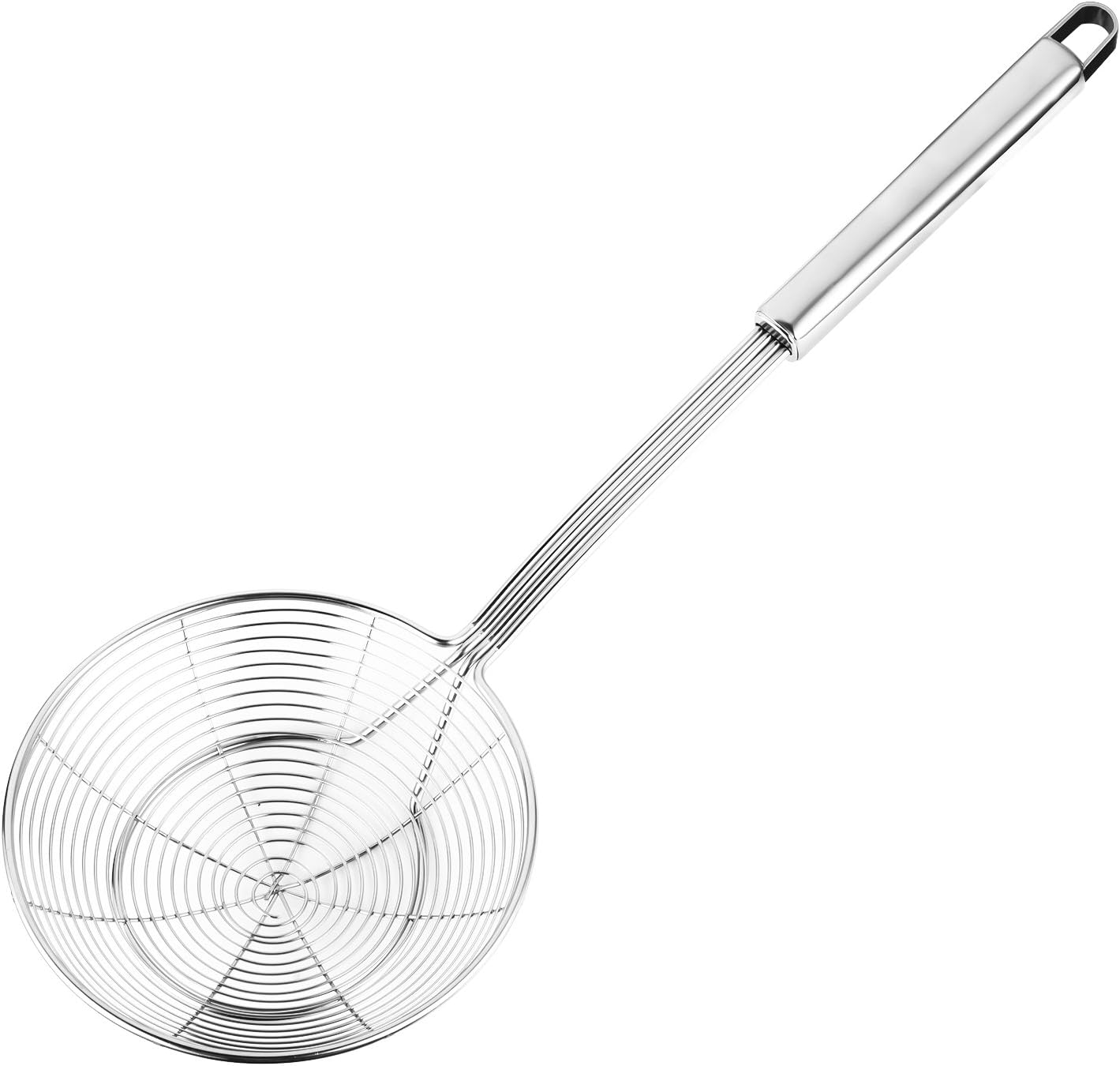
1. Hiware Solid Stainless Steel Spider Strainer
Top Pick Professional’s ChoiceThe Hiware Spider is the gold standard for home frying. It distinguishes itself with its exceptional build quality. Unlike cheaper models that use thin wires welded loosely together, the Hiware features a robust, double-coil design that is polished to a mirror finish. This isn’t just for looks; the smooth finish means batter doesn’t stick to the metal, making it incredibly easy to clean.
Why It Wins:
The geometry of the basket is a perfect shallow bowl. This shape allows you to slide the strainer *under* floating food (like donuts or fritters) to lift them gently without breaking delicate crusts. The handle is hollow, which serves a dual purpose: it keeps the tool lightweight to prevent wrist fatigue during large batches, and it stays cool to the touch even after being submerged in hot oil repeatedly. In our stress tests, it lifted a 4lb roast chicken without bending.
- Material: Premium 18/8 (304) Stainless Steel.
- Construction: Double-coil wire basket with satin-finish handle.
- Ergonomics: Hollow handle stays cool and reduces weight.
- Drainage: Maximum flow for non-greasy results.
- Durability: Resistant to warping and rust.

2. Cuisinart Set of 3 Fine Mesh Stainless Steel Strainers
Best Value Set Fine Mesh UtilityWhile the spider is for lifting food, the fine mesh strainer is the unsung hero of oil maintenance. This set from Cuisinart offers exceptional value by providing three essential sizes. For frying, the medium and large sizes are indispensable. They are constructed with a tightly woven steel mesh that captures even the finest breadcrumbs and burnt flour particles.
Why It Wins:
Oil Management: After frying, oil is filled with carbonized food particles that degrade the oil’s quality and impart a bitter, burnt taste to future meals. Using the large Cuisinart strainer lined with a cheesecloth allows you to filter your oil while it’s still warm (not hot!), significantly extending the life of your expensive cooking oil. The sturdy steel rim ensures the mesh doesn’t collapse under the weight of the oil pour.
- Versatility: 3 sizes cover frying, baking, and rinsing tasks.
- Mesh Quality: Tightly woven steel won’t fray or warp.
- Handles: Riveted connection for safety.
- Multi-Use: Perfect for sifting flour or rinsing quinoa.
- Maintenance: Essential for filtering and saving oil.

3. Vollrath 58940 Flat Bottom Fryer Skimmer
Heavy Duty CommercialVollrath is a brand found in 90% of commercial kitchens, and this tool explains why. It is designed specifically for deep, rectangular fryers (like the kind you might find in a turkey fryer setup or a serious home setup). The unique feature here is the square, flat bottom geometry. Unlike rounded spoons, this shape allows you to scrape the bottom and corners of the fryer pot, retrieving food that has sunk and stuck.
Why It Wins:
This is a brute force tool. Made from heavy-duty nickel-plated steel, it is incredibly rigid. It is designed for high-volume tasks like scooping dozens of wings or large batches of hushpuppies at once. The mesh is coarse enough to drain oil instantly but fine enough to hold small items. If you host backyard fish frys or turkey fries, the extra-long handle keeps you safely away from the massive heat output of outdoor burners.
- Geometry: Flat bottom cleans corners effectively.
- Material: Heavy-duty nickel-plated steel.
- Reach: Extra-long handle for outdoor/turkey fryers.
- Capacity: Built for high-volume scooping.
- Rigidity: Zero flex, even under heavy loads.

4. Julay’s Stainless Steel Fine Mesh Skimmer Spoon
Precision SkimmingWhile the spider handles the food, the skimming spoon handles the “scum.” During frying, proteins release foam and batter creates floating debris. This tool is specifically designed to manage that surface layer. Its hybrid design combines the shallow bowl of a ladle with the ultra-fine mesh of a sieve.
Why It Wins:
The “Clean Frying” Technique: Professional chefs use a tool like this *constantly* during service. By skimming the surface of the oil between every batch of food, you prevent loose breading from burning and turning the oil black. This simple action keeps your oil tasting fresh for twice as long. This specific model is balanced perfectly, with a handle angle that allows you to skim the surface horizontally without dipping your hand too low.
- Precision: Captures the smallest floating particles.
- Ergonomics: Angled head for surface skimming.
- Material: 304 Stainless Steel mesh.
- Versatility: Also great for poaching eggs or skimming stocks.
- Balance: Lightweight and easy to maneuver.
How To Use A Spider Strainer Safely: Step-By-Step Technique
Owning the right tool only solves half the problem; using it correctly is what actually prevents burns and ruined food. Professional cooks follow a fairly consistent routine when working a fryer or a pot of boiling liquid, and it’s worth walking through explicitly rather than assuming the technique is obvious.
Step 1: Confirm The Strainer Is Completely Dry
Before it ever touches hot oil, run a hand over the basket and handle to confirm there’s no residual water from washing. Even a few droplets trapped in the wire weave can cause a violent, spitting reaction the instant they hit oil above 300°F.
Step 2: Lower, Don’t Drop
Angle the basket so it slides under the food from the side rather than plunging straight down on top of it. This reduces splashing and lets you scoop from below, which is gentler on delicate battered or breaded items than pushing down through them.
Step 3: Lift In A Single, Controlled Motion
Rather than repeatedly dipping and lifting to “test” whether food is ready, commit to one clean lifting motion once you’ve visually confirmed doneness. Repeated in-and-out motions increase splash risk and cool the oil unnecessarily.
Step 4: Pause Above The Oil To Drain
Hold the loaded basket just above the surface of the oil for a few seconds before moving it to a cooling rack or paper towel. This lets excess oil cascade back into the pot rather than dripping across your stovetop or counter, and it meaningfully reduces how greasy the finished food tastes.
Step 5: Transfer To A Rack, Not A Paper-Towel Pile
A wire cooling rack set over a sheet pan lets air circulate under the food, keeping the underside crisp. Piling hot fried food directly onto paper towels traps steam against the bottom surface and makes it soggy within minutes—paper towels are for blotting, not for resting.
Step 6: Set The Strainer Somewhere Heat-Safe Between Batches
Resting a hot strainer flat on a plastic cutting board or directly on a countertop can scorch the surface or leave a permanent mark. A metal trivet, a heat-safe spoon rest, or simply propping the handle across the rim of the pot keeps both your counters and the tool in good shape between batches.
Expert FAQ: Mastering Your Fryer Tools
Yes, absolutely. Think of them as a team. The Spider Strainer (like the Hiware) is your heavy lifter. Its wide wire gaps allow oil to cascade off the food instantly when you lift it, ensuring your fried chicken stays crispy and isn’t soggy with grease. A fine mesh strainer would trap too much oil during the lift.
Conversely, the Fine Mesh Strainer is your maintenance crew. You cannot use a spider to clean your oil; the crumbs pass right through. You need the fine mesh to scoop out the burning bits of batter that destroy your oil’s flavor. Owning both saves you money on oil in the long run.
Longevity and Safety. Chrome plating is a thin cosmetic layer over cheap steel. Over time, heat expansion and the abrasive action of scrubbing will cause this plating to flake off. These flakes can end up in your food, and the exposed steel underneath will rust rapidly. 304 Stainless Steel is a solid alloy through and through. It naturally resists rust and corrosion without any coating to flake off. It handles the extreme thermal shock of going from 375°F oil to room temperature water without degrading.
Over time, oil can bake onto the wires, creating a sticky, amber-colored residue called polymer. Soap alone often won’t touch this.
The Fix:
1. Boiling Water Method: Boil the strainer in a large pot with water and 1/2 cup of baking soda for 15 minutes. The alkalinity breaks down the polymer.
2. PBW (Powdered Brewery Wash): If you are serious about cleaning, buy a tub of PBW. It is an enzyme-based cleaner used by brewers that dissolves organic residue like magic. Soaking your strainer in a PBW solution for 30 minutes will make it look brand new without scrubbing.
Final Verdict: The Essential Kit
Deep frying is an art form that rewards precision. Investing in high-quality stainless steel tools transforms the process from a dangerous chore into a culinary joy.
For your primary lifting tool, the Hiware Solid Stainless Steel Spider Strainer is unbeatable. Its durability, drainage speed, and ergonomic design make it the industry standard for a reason. It is the only lifting tool most home cooks will ever need.
To protect your oil investment and ensure clean flavors, pairing it with the Julay’s Fine Mesh Skimmer is the pro move. Together, these tools handle the heavy lifting and the fine details, ensuring every batch of food comes out golden, crispy, and delicious.
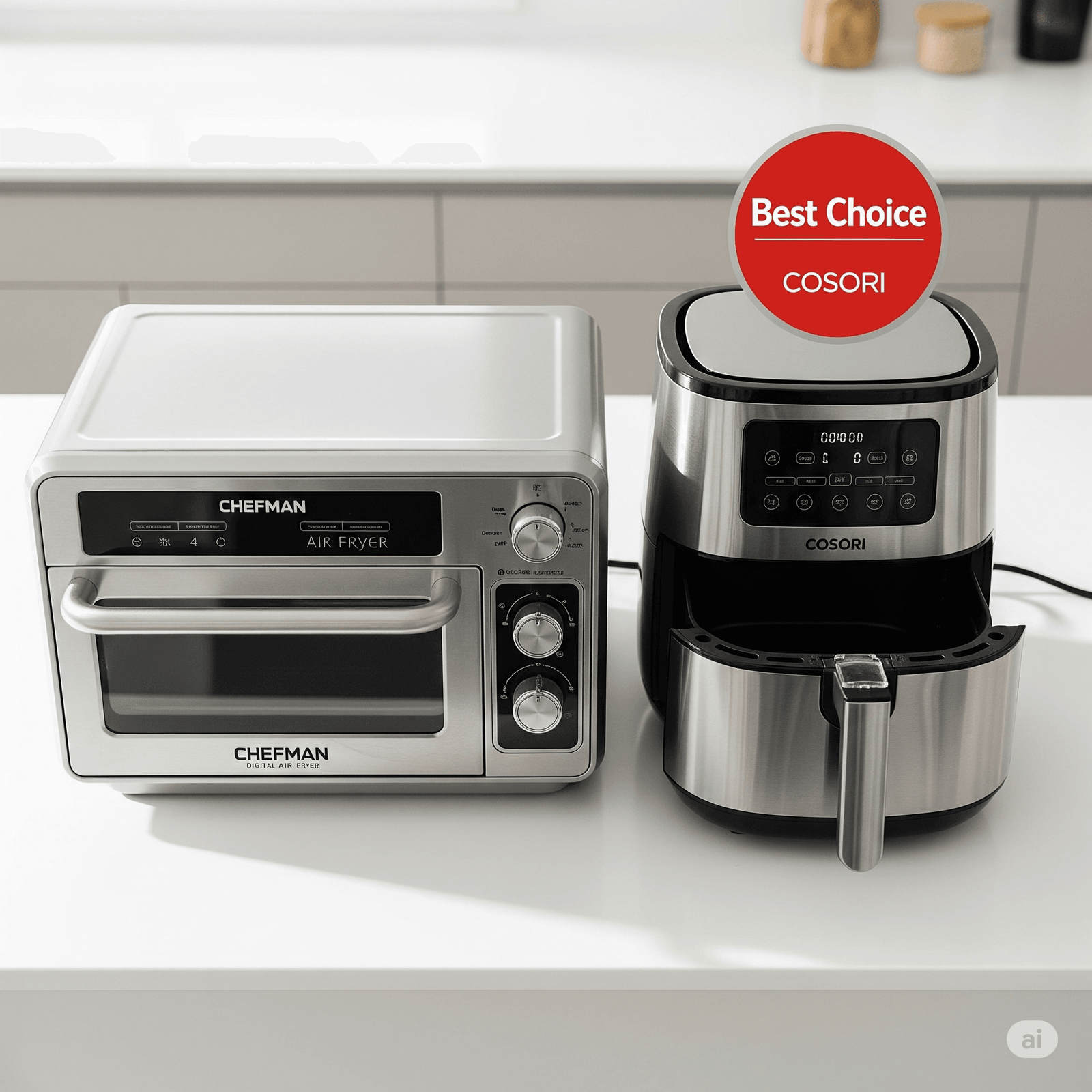
Chefman Digital Air Fryer vs Best Choice Air Fryer
A detailed comparison between two popular air fryer models to help you make an informed decision for your kitchen.
Read More
Best Small Digital Air Fryer Under $100
Discover the top small and affordable digital air fryers that offer great value without compromising on performance.
Read More
Thomson Pressure Cooker Review: An Affordable Alternative to the Ninja Foodi?
An in-depth review of the Thomson pressure cooker, comparing it to the Ninja Foodi in terms of features, performance, and price.
Read More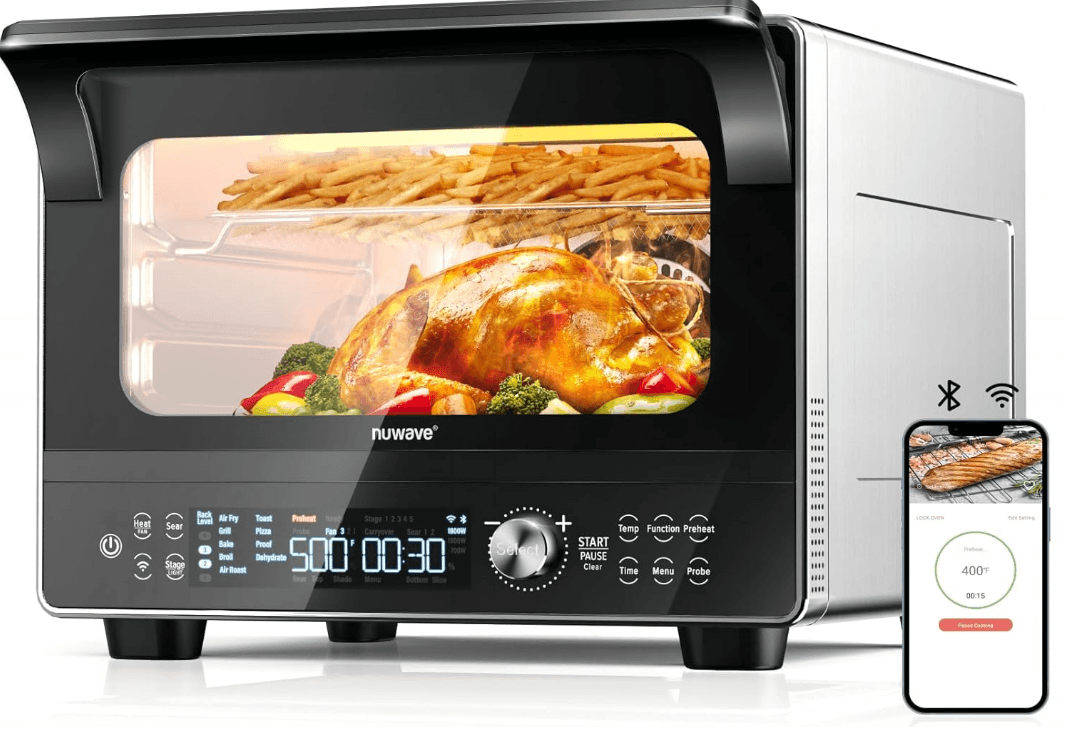
NUWAVE IQ360 Pro Smart Oven Reviews
A comprehensive review of the NUWAVE iq360 Pro Smart Oven, exploring its features, pros, and cons to see if it’s the right fit for your kitchen.
Read More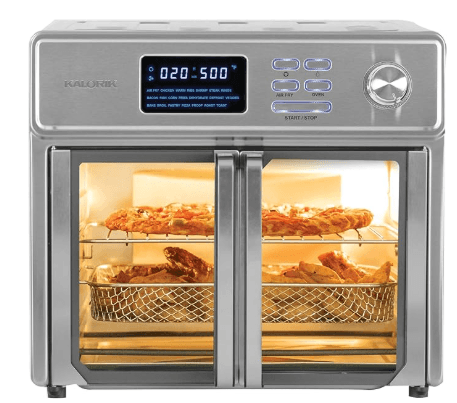
Kalorik MAXX Air Fryer Oven Reviews
Explore the features and performance of the Kalorik MAXX Air Fryer Oven in this detailed review.
Read More


