5 Best Oils for Air Fryer: The Ultimate Guide for Crispy, Healthy Results
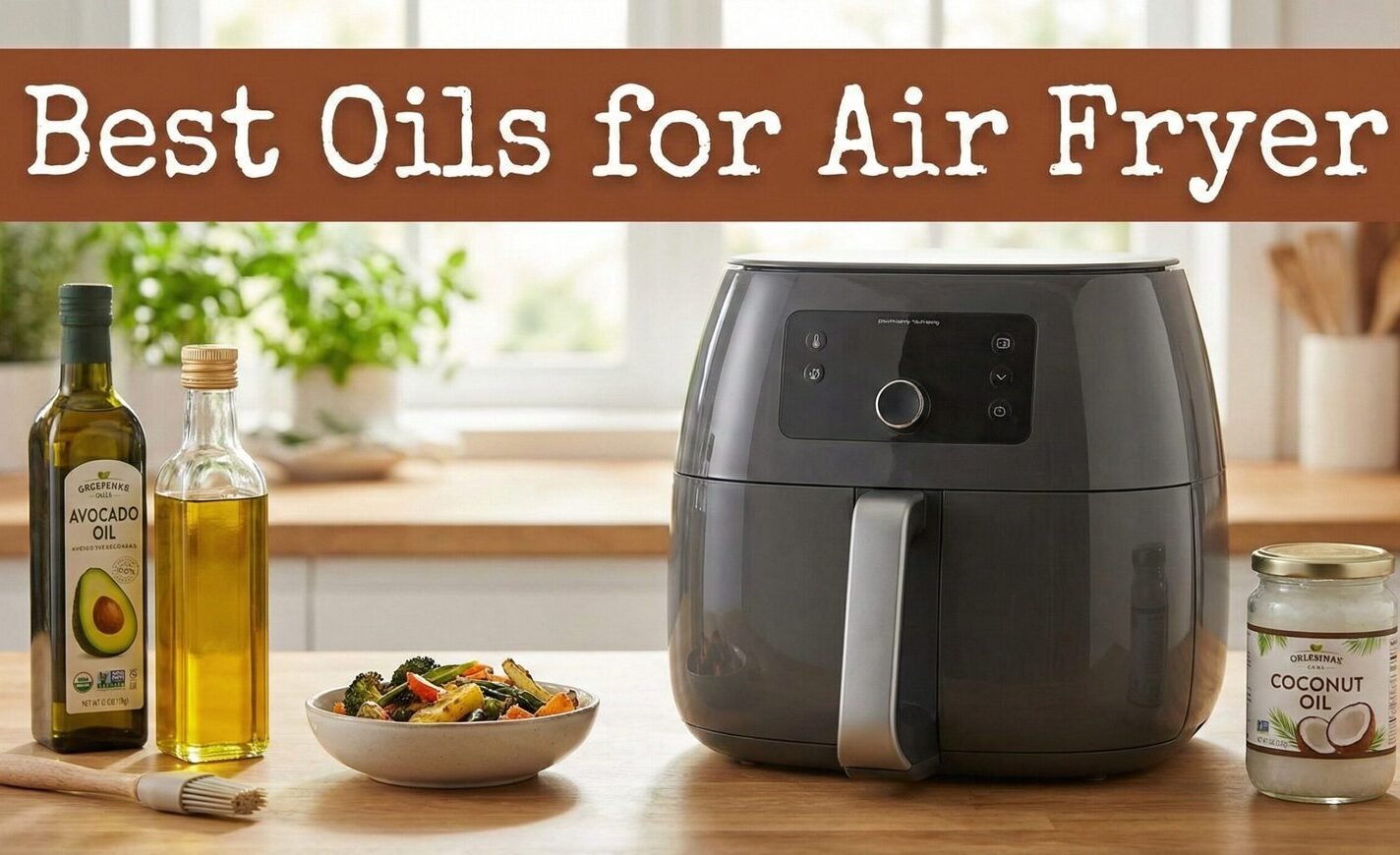
So, you’ve finally joined the revolution and bought a digital air fryer. You’ve read our benefits of using an air fryer guide, and you’re ready to cook. But there is one crucial ingredient that stands between you and that perfect, golden-brown crunch: Oil.
Contrary to popular belief, air frying isn’t always “oil-free.” It uses significantly less oil than deep frying, but the right oil is essential for heat transfer, flavor, and achieving that Maillard reaction (browning). Choosing the wrong oil can lead to a smoke-filled kitchen, burnt flavors, and potentially harmful compounds.
Quick Summary: The Winners
- Best Overall: Avocado Oil (High Smoke Point & Neutral Flavor)
- Best for Flavor: Light Olive Oil (Not Extra Virgin!)
- Best Budget: Canola or Vegetable Oil
- Best for Sweets: Coconut Oil
- Best Spray: Pump-Style Sprayers (Avoid aerosols)
Why Smoke Point Matters More Than Anything
Before we dive into the products, we need to talk science for a second. The Smoke Point is the temperature at which an oil stops shimmering and starts smoking. When oil smokes, it breaks down, releases free radicals (bad for health), and makes your food taste bitter.
Air fryers typically operate between 350°F and 400°F (175°C – 205°C). Therefore, you need an oil with a smoke point above 400°F. This is why standard butter or Extra Virgin Olive Oil often fail in air fryers. If you are confused about temperature settings, check out our guide on air fryer temperature control.
Detailed Review: The 5 Best Oils for Your Air Fryer

BetterBody Foods 100% Pure Avocado Oil
Avocado oil is the undisputed king of air frying. With a smoke point of 500°F, it can withstand the intense circulating heat of even the most powerful units like the NuWave IQ360 Pro.
It has a very neutral flavor, meaning your fries will taste like potatoes, not avocado. It’s also rich in monounsaturated fats (the heart-healthy kind).
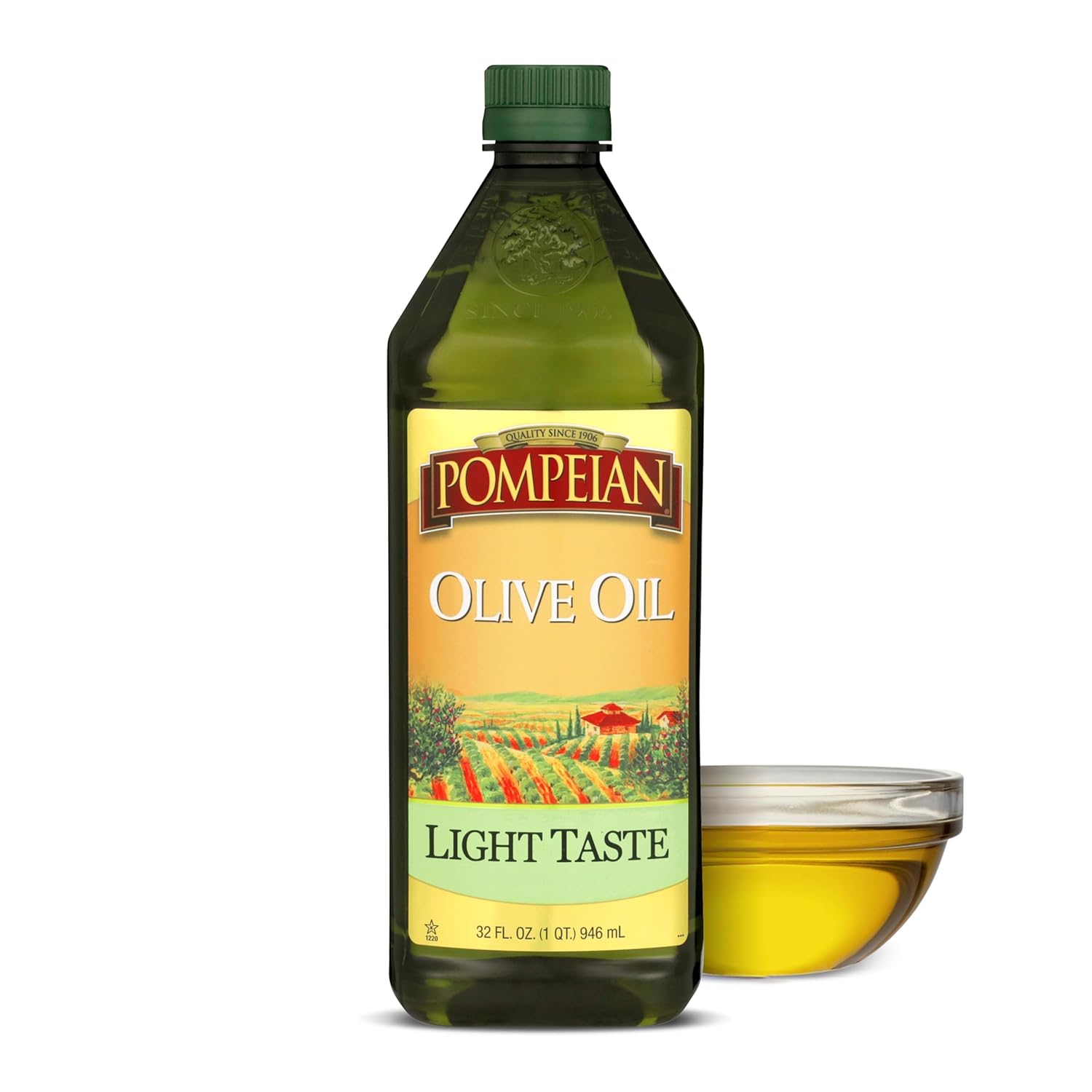
Pompeian Extra Light Tasting Olive Oil
Wait, didn’t we say no Olive Oil? We said no Extra Virgin Olive Oil. “Extra Light” olive oil is more refined, giving it a higher smoke point (around 410°F) compared to EVOO (375°F).
This allows you to get some of the health benefits of olive oil without the smoke. It works beautifully for Mediterranean-style veggies or chicken breast. If you are trying out new air fryer recipes for beginners, this is a forgiving oil to start with.
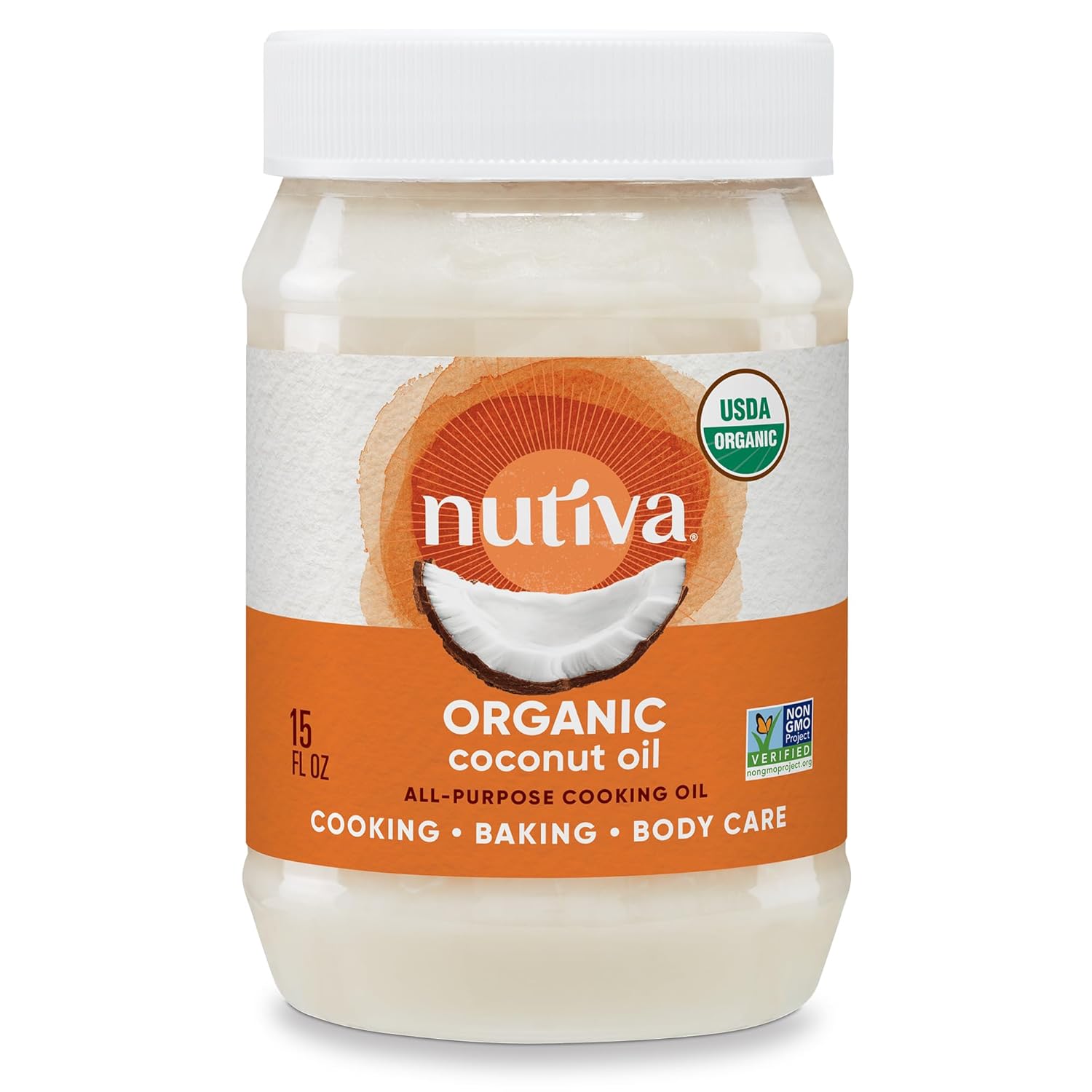
Nutiva Organic Steam-Refined Coconut Oil
If you are using your air fryer for baking—perhaps making muffins in a digital toaster oven air fryer combo—coconut oil is fantastic.
Standard coconut oil tastes like coconut, which is great for sweets. However, this Nutiva version is “refined,” meaning it has a higher smoke point (400°F) and a neutral scent, making it versatile for savory dishes like shrimp or tofu as well.

Baja Precious – Grapeseed Oil
Grapeseed oil is a byproduct of winemaking. It is incredibly light and has a moderately high smoke point (420°F). Because it is so thin, it coats food evenly without making it soggy.
This is our top recommendation if you are trying to replicate deep-fried textures. It works perfectly with standard baskets or even when using fryer strainers for smaller items.

4th & Heart Original Grass-Fed Ghee
Ghee is clarified butter—butter that has had the milk solids removed. Because the solids (which burn) are gone, Ghee has a smoke point of 485°F!
It adds a rich, buttery taste that oil simply cannot match. It is incredible on corn on the cob, steak, or even reheating pizza. It’s a true smart lifestyle upgrade for keto or paleo dieters.
Comparison Table: Smoke Points at a Glance
| Oil Type | Smoke Point (°F) | Flavor Profile | Best Application |
|---|---|---|---|
| Avocado Oil | 520°F | Neutral | All-purpose, High Heat |
| Ghee | 485°F | Buttery | Meats, Vegetables |
| Light Olive Oil | 465°F | Mild | Mediterranean dishes |
| Grapeseed Oil | 420°F | Neutral | Ultra-Crispy Fries |
| Coconut Oil (Refined) | 400°F | Neutral | Baking, Seafood |
| Butter (Avoid) | 302°F | Rich | Adding after cooking |
Expert Tip: The Application Method
How you apply the oil is just as important as the oil you choose. Do not use non-stick aerosol sprays (like Pam) directly on your air fryer basket.
Many commercial sprays contain soy lecithin, which can build up on the non-stick coating of your air fryer basket and cause it to peel over time. This is a common issue discussed in our air fryer cleaning guide.
The Solution: Oil Spritzers
Invest in a quality glass oil mister. This allows you to put your high-quality Avocado oil inside and spray a fine mist without the harmful propellants. It’s an essential tool alongside your best measuring cups and kitchen scales.
Watch the video above for a visual demonstration on how to coat your food evenly without drenching it.
Avocado Oil vs Olive Oil: Which Is Truly Better for Air Frying?
This is one of the most debated topics in the air frying community, and for good reason. Both avocado oil and olive oil carry significant health benefits, but they behave very differently under high heat. Understanding the nuances between these two popular cooking fats can save you from a smoky kitchen and help you make the most nutritious choice for your family.
The Smoke Point Showdown
Refined avocado oil has a smoke point of approximately 500°F (260°C), making it one of the highest-heat-stable cooking oils available. Extra virgin olive oil, by contrast, starts to break down around 375°F (190°C). That 125-degree difference is massive in the context of air frying, where temperatures routinely reach 400°F. Light or refined olive oil sits somewhere in the middle at roughly 410-465°F, depending on the brand and refinement process.
What this means in practice: if you set your air fryer to 400°F for crispy chicken wings, avocado oil will handle the heat without breaking a sweat. Extra virgin olive oil will begin to degrade, producing smoke and off-flavors. Light olive oil can manage it, but you’re operating near its ceiling, which leaves little margin for error if your air fryer runs hot (some models do run 10-25 degrees above their stated temperature).
Fatty Acid Profiles Compared
Avocado oil is composed of roughly 70% oleic acid (a monounsaturated omega-9 fatty acid), along with smaller amounts of palmitic and linoleic acids. This composition is remarkably similar to olive oil, which contains about 73% oleic acid. Both oils are considered heart-healthy choices because monounsaturated fats help reduce LDL (“bad”) cholesterol while maintaining HDL (“good”) cholesterol levels.
Where avocado oil pulls ahead is in its vitamin E content. A single tablespoon of avocado oil provides approximately 12% of your daily recommended vitamin E intake, compared to about 5% for the same amount of olive oil. Vitamin E is a powerful antioxidant that protects cell membranes from oxidative damage—a particularly relevant benefit when you’re cooking at high temperatures.
Olive oil, however, contains higher concentrations of polyphenols—natural plant compounds with anti-inflammatory and antioxidant properties. These polyphenols are most abundant in extra virgin olive oil and are largely stripped away during the refinement process that creates light olive oil. So while light olive oil has a higher smoke point suitable for air frying, you lose many of the polyphenol benefits that make olive oil a cornerstone of the Mediterranean diet.
Flavor Impact on Food
Refined avocado oil is virtually flavorless, which makes it an excellent all-purpose cooking fat. It won’t interfere with the natural taste of your ingredients or the seasonings you’ve applied. This neutrality is particularly valuable when air frying delicate foods like fish fillets or vegetables where you want the natural flavors to shine.
Light olive oil has a very mild flavor—much milder than extra virgin—but it can still impart a subtle grassy or fruity note to your food. For Mediterranean-style dishes, this is actually an advantage. Air-fried zucchini, bell peppers, and chicken thighs benefit from that gentle olive oil undertone. For Asian-inspired dishes or simple french fries, however, that same flavor can feel out of place.
Price and Availability
High-quality avocado oil tends to cost more than olive oil—typically 30-50% more per ounce. However, because you use so little oil in an air fryer (usually just a tablespoon or two per batch), the cost difference per meal is negligible. A single bottle of avocado oil can last months of regular air frying.
The Healthiest Oils for Air Frying: A Nutritionist’s Perspective
When we talk about the “healthiest” oil for air frying, we need to consider multiple factors beyond just smoke point. The nutritional profile of an oil, its stability under heat, and the types of compounds it produces when heated all play a role in determining how healthy it truly is for regular consumption.
Understanding Fat Types
Cooking oils are composed of three main types of fat: saturated, monounsaturated, and polyunsaturated. Each type behaves differently under heat, and understanding these differences is key to making an informed choice.
Saturated fats (found in coconut oil, ghee, and palm oil) are the most heat-stable. Their molecular structure has no double bonds, which means there are no weak points for heat and oxygen to attack. This makes saturated-fat-rich oils very resistant to oxidation during cooking. The downside is that saturated fats have historically been linked to increased cardiovascular risk, though recent research has nuanced this view considerably.
Monounsaturated fats (found in avocado oil, olive oil, and peanut oil) have one double bond in their molecular structure. This makes them moderately heat-stable—less so than saturated fats, but far more stable than polyunsaturated fats. Monounsaturated fats are widely considered the healthiest type of dietary fat, associated with reduced inflammation, improved insulin sensitivity, and better heart health outcomes.
Polyunsaturated fats (found in grapeseed oil, sunflower oil, soybean oil, and corn oil) have multiple double bonds, making them the most vulnerable to heat-induced oxidation. When polyunsaturated fats break down under high heat, they can form harmful compounds including aldehydes and lipid peroxides. Ironically, many of the oils marketed as “heart-healthy” due to their polyunsaturated content are actually among the worst choices for high-heat cooking.
The Oxidative Stability Factor
Beyond smoke point, oxidative stability measures how resistant an oil is to reacting with oxygen during heating. An oil can technically be below its smoke point and still undergo significant oxidation, producing harmful free radicals. Research published in food science journals has consistently shown that oils high in polyunsaturated fats produce more oxidation byproducts during cooking than oils high in monounsaturated or saturated fats.
This is why avocado oil and ghee rank so highly for air frying—they combine high smoke points with excellent oxidative stability. Avocado oil’s predominantly monounsaturated fat profile resists oxidation well, while ghee’s saturated fat content makes it virtually impervious to heat-induced breakdown.
The Omega-6 Problem
Many common cooking oils—soybean, corn, sunflower, and grapeseed—are extremely high in omega-6 polyunsaturated fatty acids. While omega-6 is an essential fatty acid that your body needs, the modern Western diet already contains far too much of it relative to omega-3. An imbalanced omega-6 to omega-3 ratio (which can reach 20:1 or higher in typical diets, versus the ideal 4:1 or lower) promotes systemic inflammation.
Using high-omega-6 oils as your primary air frying fat contributes to this imbalance. Avocado oil, olive oil, and coconut oil all have much more favorable omega-6 ratios, making them better choices from an inflammatory perspective.
- Avocado Oil — High smoke point, excellent oxidative stability, rich in monounsaturated fats and vitamin E
- Ghee (Clarified Butter) — Very high smoke point, rich in fat-soluble vitamins A, D, E, and K, zero casein or lactose
- Light Olive Oil — Good smoke point when refined, retains some olive oil benefits
- Coconut Oil (Refined) — High in saturated fat (heat-stable), contains medium-chain triglycerides (MCTs)
- Avocado Oil Spray — Same benefits as bottled avocado oil with more precise application
What About Canola Oil?
Canola oil is often recommended as a “healthy” cooking oil due to its low saturated fat content and decent omega-3 content. However, canola oil is highly processed—it undergoes bleaching, deodorizing, and often chemical extraction with hexane. The high processing level strips away many of the natural nutrients and can leave trace amounts of trans fats (up to 2.5% in some analyses, though labeling laws allow this to be rounded to 0%).
For air frying specifically, canola oil has a moderate smoke point of about 400°F, which is adequate but not exceptional. Its relatively high polyunsaturated fat content (about 28%) means it’s more prone to oxidation than avocado or olive oil. It’s a serviceable budget option, but it shouldn’t be your first choice if health is your priority.
Oils You Should NEVER Use in an Air Fryer
Knowing which oils to avoid is just as important as knowing which ones to use. Some oils will smoke, some will ruin the flavor of your food, and some can actually damage your air fryer’s non-stick coating. Here’s a comprehensive list of oils and fats that have no place in your air frying routine.
Extra Virgin Olive Oil (For High-Heat Cooking)
We’ve touched on this already, but it bears repeating. EVOO has a smoke point of approximately 375°F, which is below the operating temperature of most air fryer recipes. When EVOO smokes, it produces acrolein—a toxic compound that irritates the eyes and lungs—and the oil develops a bitter, unpleasant taste that transfers to your food.
That said, EVOO is perfectly fine for air frying at lower temperatures (300-350°F) or for drizzling on food after it comes out of the air fryer. Some recipes call for a 325°F air fry for delicate items like stuffed mushrooms or bruschetta—EVOO works beautifully in those scenarios.
Butter (Unclarified)
Regular butter has a smoke point of just 302°F due to its milk solids, which burn quickly and create a bitter taste. While butter adds incredible flavor, it’s simply not built for the intense heat of air frying. The milk solids will carbonize on your food and on the air fryer basket, creating stubborn black residue that’s difficult to clean.
The exception, as we noted in our product reviews, is ghee—clarified butter with the milk solids removed. Ghee can handle temperatures up to 485°F and delivers that same rich buttery flavor without the burning problem. If you love the taste of butter on your air-fried foods, ghee is your answer.
Unrefined Coconut Oil (Virgin Coconut Oil)
Virgin or unrefined coconut oil has a smoke point of only about 350°F, which is right at the lower boundary of air frying temperatures. While it’s delicious and retains more of coconut’s natural antioxidants than refined coconut oil, it will smoke and degrade at standard air frying temperatures. Save virgin coconut oil for low-heat applications, dressings, and no-bake recipes.
Sesame Oil (Toasted)
Toasted sesame oil is a finishing oil, not a cooking oil. Its smoke point is around 350°F, and its intense nutty flavor—which is wonderful as a few drops drizzled on a finished stir-fry—becomes acrid and bitter when overheated. Regular (light) sesame oil has a higher smoke point (around 410°F) and can be used for air frying, but toasted sesame oil should only be added after cooking.
Flaxseed Oil
Flaxseed oil is one of the richest plant-based sources of omega-3 fatty acids, but it is extremely heat-sensitive. With a smoke point of just 225°F, it will degrade almost instantly in an air fryer. Flaxseed oil should only be used in cold applications like salad dressings, smoothies, or as a nutritional supplement. Never heat it.
Commercial Aerosol Cooking Sprays
This isn’t about the oil inside the can—it’s about the delivery mechanism. Aerosol cooking sprays like Pam contain propellants (usually propane or butane) and emulsifiers like soy lecithin. The lecithin creates a sticky residue that bonds to non-stick coatings and, over time, builds up into a gummy layer that actually causes food to stick more. This buildup can also damage the non-stick surface, potentially causing it to peel or flake.
If you want the convenience of a spray, invest in a reusable pump-style oil sprayer or mister. Fill it with your oil of choice—avocado oil is ideal—and you get the same fine mist without the harmful additives. This is one of the most common mistakes new air fryer users make.
Beyond the Big Five: Other Oils Worth Considering
While our top five picks cover the vast majority of air frying needs, there are several other oils that deserve honorable mentions depending on your cooking style, dietary preferences, and flavor goals.
Peanut Oil: The Asian Cuisine Specialist
Peanut oil has a smoke point of about 450°F and a slightly nutty flavor that works beautifully with Asian-inspired dishes. If you’re making air-fried spring rolls, tempura vegetables, or sesame chicken, peanut oil adds an authentic flavor dimension that neutral oils can’t replicate. It’s also one of the traditional oils used in Chinese and Thai cooking, so using it in your air fryer brings those flavors closer to the real thing.
The downside: peanut oil is more expensive than canola or vegetable oil, and of course, it’s off-limits for anyone with a peanut allergy. If you do use it, store it properly (more on storage later) because it can go rancid faster than more stable oils.
Sunflower Oil: The Budget-Friendly Option
Regular sunflower oil has a smoke point of about 440°F and a clean, neutral flavor. It’s widely available and affordable, making it a practical everyday option. However, standard sunflower oil is very high in omega-6 polyunsaturated fats (about 65%), which, as we discussed earlier, can contribute to inflammatory imbalances when consumed in excess.
High-oleic sunflower oil is a better variant—it’s been bred to contain higher levels of monounsaturated fats (similar to olive oil) with a smoke point of about 450°F. If you can find high-oleic sunflower oil, it’s an excellent air frying choice that combines good heat stability with a healthier fat profile.
Safflower Oil: The Hidden Gem
Safflower oil is often overlooked, but it’s one of the best-kept secrets for high-heat cooking. High-oleic safflower oil has a smoke point of approximately 510°F—nearly as high as avocado oil—and a completely neutral flavor. It’s also lower in price than avocado oil, making it an attractive alternative for budget-conscious home cooks who still want high-heat performance.
Like sunflower oil, the standard variety is high in polyunsaturated fats, so look specifically for “high-oleic” on the label if you want the best nutritional profile.
Rice Bran Oil: The Japanese Secret
Rice bran oil is extracted from the outer layer of rice grains and is extremely popular in Japanese and Korean cooking. It has a smoke point of about 490°F and contains a unique antioxidant called oryzanol, which has been shown to help lower cholesterol. Its light, clean flavor won’t interfere with your food’s natural taste, and it produces exceptionally crispy results.
Rice bran oil can be harder to find in regular grocery stores but is readily available at Asian markets or online. If you do a lot of Asian-style air frying—think karaage, tonkatsu, or Korean fried chicken—rice bran oil is worth seeking out.
Avocado Oil Blends
Some manufacturers offer avocado oil blends, mixing avocado oil with other oils like olive or grapeseed to reduce cost. These can be a reasonable compromise if pure avocado oil stretches your budget, but check the ingredient list carefully. Some blends contain only 10-20% avocado oil with the rest being cheaper fillers like soybean oil, which defeats the purpose. Look for blends where avocado oil is the first (and ideally only other) ingredient.
| Oil | Smoke Point (°F) | Fat Type | Flavor | Best For | Price Range |
|---|---|---|---|---|---|
| Peanut Oil | 450°F | Monounsaturated | Slightly Nutty | Asian dishes, stir-fries | $$ |
| High-Oleic Sunflower | 450°F | Monounsaturated | Neutral | All-purpose | $ |
| High-Oleic Safflower | 510°F | Monounsaturated | Neutral | High-heat, all-purpose | $$ |
| Rice Bran Oil | 490°F | Monounsaturated | Mild, Clean | Asian cuisine, crispy foods | $$ |
| Vegetable Oil (Soybean) | 400°F | Polyunsaturated | Neutral | Budget all-purpose | $ |
| Canola Oil | 400°F | Monounsaturated | Neutral | Budget all-purpose | $ |
Refined vs Unrefined Oils: What’s the Difference and Why It Matters
You’ll notice that throughout this guide, we keep recommending “refined” versions of oils. This isn’t a marketing gimmick—the distinction between refined and unrefined oil is one of the most important factors in determining whether an oil is suitable for air frying. Let’s break down exactly what these terms mean and why they matter for your cooking.
How Unrefined Oils Are Made
Unrefined oils (also called “cold-pressed,” “expeller-pressed,” or “virgin”) are extracted through mechanical means—typically by pressing or crushing the source material (olives, coconuts, avocados, seeds) without the use of heat or chemical solvents. This gentle extraction process preserves the oil’s natural flavor, color, aroma, and nutritional content, including vitamins, antioxidants, and polyphenols.
The result is an oil that tastes distinctly of its source: virgin olive oil tastes like olives, virgin coconut oil smells like coconut, and unrefined avocado oil has a buttery, slightly grassy flavor. These oils are prized for their flavor and nutritional profile, and they’re ideal for dressings, marinades, low-heat cooking, and finishing dishes.
How Refined Oils Are Made
Refined oils undergo additional processing steps after extraction. These typically include:
- Degumming: Removing phospholipids and other gummy substances
- Neutralizing: Removing free fatty acids with an alkaline solution
- Bleaching: Removing pigments using activated clay or earth
- Deodorizing: Removing volatile compounds that cause strong flavors and odors using steam distillation at high temperatures
These steps strip away much of the oil’s natural flavor, color, and nutritional content, but they significantly increase the smoke point. The removal of free fatty acids and volatile compounds—which are the first to break down under heat—is what gives refined oils their superior heat stability.
The Trade-Off: Nutrition vs Performance
Here’s the fundamental tension: unrefined oils are more nutritious and flavorful, but they can’t handle the heat of air frying. Refined oils can handle the heat, but they’ve lost many of the natural compounds that make the unrefined version healthy in the first place.
For air frying, refined is almost always the right call. The temperatures involved (350-400°F+) will destroy the delicate polyphenols and antioxidants in unrefined oils anyway, so you’re not actually preserving those benefits by using unrefined—you’re just creating smoke and off-flavors. Better to use a refined oil that can handle the heat and get your nutritional benefits from the food itself (and from unrefined oils used in cold applications like salads).
The Perfect Oil-to-Food Pairing Guide
Different foods benefit from different oils. While a neutral, high-heat oil like avocado can handle anything you throw at it, pairing the right oil with the right food can elevate your air frying from good to restaurant-quality. Here’s a comprehensive guide to matching oils with the foods they complement best.
French Fries and Potato Products
For classic french fries, tater tots, and hash browns, you want maximum crispiness with minimal flavor interference. Avocado oil or grapeseed oil are ideal here—their thin, light consistency coats potato surfaces evenly, and their neutral flavors let the natural potato taste come through. Toss your cut potatoes in a bowl with 1-2 teaspoons of oil and your seasonings before air frying at 380-400°F.
For sweet potato fries, consider coconut oil (refined). The subtle sweetness it can impart pairs naturally with sweet potato, and its 400°F smoke point is perfectly adequate for the 375-385°F temperature sweet spot that sweet potato fries need.
Chicken Wings and Poultry
Chicken wings are arguably the air fryer’s greatest achievement—super crispy skin with juicy meat inside. Avocado oil is the top choice here due to the high temperatures needed (400°F) and the long cooking times. For a flavor twist, try ghee—its buttery richness penetrates the skin and creates an incredibly savory crust. Mix melted ghee with garlic powder, smoked paprika, and a pinch of cayenne for a knockout wing coating.
For chicken breasts and tenders, light olive oil works beautifully, especially if you’re going for Italian-seasoned or herb-crusted preparations. The mild olive flavor complements herbs like rosemary, thyme, and oregano.
Seafood: Fish, Shrimp, and Scallops
Delicate seafood requires a gentle touch. Avocado oil with its neutral flavor won’t overpower the natural sweetness of shrimp or the delicate flavor of white fish. For a richer preparation, ghee is outstanding on salmon—it creates a gorgeous golden crust while keeping the inside moist and flaky.
Air-fried shrimp benefit from grapeseed oil or light olive oil. The thin consistency of grapeseed oil ensures the seasoning sticks to the shrimp without creating a greasy coating. Cook at 390°F for 8-10 minutes, shaking the basket halfway through for even cooking.
Vegetables: From Broccoli to Brussels Sprouts
Air-fried vegetables are a revelation—caramelized edges, tender interiors, and way more flavor than steaming or boiling. Avocado oil is the all-purpose winner here, but specific vegetables benefit from specific oils:
- Brussels sprouts: Avocado oil or ghee. High heat (400°F) brings out their natural sweetness.
- Broccoli: Light olive oil with garlic. The olive oil complements broccoli’s earthy flavor.
- Zucchini and squash: Grapeseed oil. Its lightness prevents the already-moist vegetables from becoming soggy.
- Corn on the cob: Ghee, brushed on after cooking. The buttery flavor is a perfect match.
- Kale chips: Avocado oil spray. Just a light mist is all you need for crispy, shatteringly thin chips.
Breaded and Battered Foods
When you’re air frying breaded chicken, fish sticks, mozzarella sticks, or onion rings, the oil serves a critical function: it helps the breading crisp up and turn golden. Grapeseed oil excels here because its thin consistency penetrates the breading layer without making it soggy. Lightly spray or brush the breaded items with oil before cooking at 375-400°F.
For Japanese-style panko coatings, rice bran oil or peanut oil adds an authentic flavor note that elevates the dish beyond simple breading. A light mist of either oil before air frying creates that satisfying crunch you’d normally only get from deep frying.
Baked Goods and Desserts
Air fryer baking is a growing trend, and oil choice matters even more here because baked goods are more sensitive to flavor than savory dishes. Coconut oil (refined) is the go-to for most air fryer baking—its neutral flavor won’t interfere with vanilla, chocolate, or fruit-based recipes, and its solid-at-room-temperature consistency mimics butter in many recipes.
For chocolate chip cookies, brownies, or cinnamon rolls, avocado oil works as a 1:1 substitute for vegetable oil in most recipes. It produces moist, tender results without any avocado taste. If you’re making something where butter flavor is essential—like croissants or puff pastry—use ghee for that rich, authentic taste.
Pizza and Reheating
One of the air fryer’s most beloved uses is reheating leftover pizza. A light brush of ghee or avocado oil on the crust before reheating at 350°F for 3-4 minutes produces results that are arguably better than the original—crispy bottom, melty cheese, and no sogginess. This trick also works for reheating other bread-based foods like garlic bread, calzones, and flatbreads.
How Much Oil Should You Actually Use?
One of the biggest advantages of air frying is the dramatic reduction in oil usage compared to deep frying. A typical deep fryer requires 3-6 cups of oil, while an air fryer needs just a fraction of that. But “how much” depends on what you’re cooking and the method you’re using to apply it.
General Guidelines by Food Type
| Food Type | Oil Amount | Application Method | Notes |
|---|---|---|---|
| French Fries (1 lb) | 1-2 teaspoons | Toss in bowl before cooking | Less is more; excess oil makes fries soggy |
| Chicken Wings (1 lb) | 1 teaspoon | Light spray or brush | Skin has natural fat; minimal oil needed |
| Vegetables (2 cups) | 1-2 teaspoons | Toss in bowl | Helps seasonings adhere |
| Breaded Items | Light spray | Mist on both sides | Creates golden color on breading |
| Fish Fillets | 1 teaspoon | Brush on both sides | Prevents sticking to basket |
| Reheating Pizza | Light brush | Brush on crust only | Revives crispiness |
| Baked Goods | Per recipe | Mix into batter | Follow recipe amounts |
The Bowl Toss Method
The most efficient way to coat food with oil for air frying is the “bowl toss” method. Place your food in a mixing bowl, drizzle the oil over it, and toss gently with your hands or tongs until every piece is lightly coated. This ensures even distribution without over-oiling. It’s far more efficient than spraying food while it’s already in the air fryer basket, where oil can pool at the bottom and the basket itself gets coated rather than the food.
When More Oil Helps
Certain situations call for slightly more oil than usual. When cooking at very high temperatures (400°F+), a little extra oil helps protect the food’s surface from drying out before the interior is cooked through. Similarly, lean proteins like chicken breast or white fish benefit from a slightly more generous coating to prevent them from becoming dry and tough.
When Less Oil Is Better
Fatty foods like chicken thighs, pork belly, or salmon don’t need much added oil at all—they render their own fat during cooking, which circulates in the air fryer and essentially self-bastes the food. Adding too much oil to already-fatty foods creates excess grease in the bottom of the basket, which can smoke and create an unpleasant smell.
Oil Storage and Shelf Life: Getting the Most From Your Investment
Premium cooking oils aren’t cheap—high-quality avocado oil can cost $15-25 per bottle. Proper storage ensures you get the full value from your purchase and that the oil performs at its best every time you use it.
What Makes Oil Go Bad?
Oils degrade through three main mechanisms: oxidation (exposure to air), light exposure, and heat. All three accelerate the breakdown of the oil’s fatty acid chains, producing rancid flavors, off odors, and potentially harmful compounds. Rancid oil doesn’t always smell obviously bad—sometimes it just tastes “flat” or slightly bitter. But using rancid oil in your air fryer is doubly problematic because heat accelerates the degradation further.
Storage Best Practices
- Keep it dark: Store oils in a dark pantry or cabinet, away from direct sunlight. UV light is one of the fastest accelerators of oil degradation. If your oil comes in a clear bottle, consider transferring it to a dark glass bottle or keeping it in a closed cabinet.
- Keep it cool: Room temperature is fine for most oils, but avoid storing them near the stove, oven, or any heat source. The fluctuating temperatures accelerate breakdown. Some oils, like flaxseed and walnut oil, benefit from refrigerator storage.
- Keep it sealed: Always replace the cap tightly after use. Exposure to air causes oxidation, which is the primary cause of rancidity. If you transfer oil to a mister or sprayer, make sure it seals well.
- Buy smaller bottles: Unless you use oil very frequently, smaller bottles are often a better investment. An open bottle of oil that sits for 6+ months will degrade significantly, even under ideal storage conditions.
Shelf Life Reference
| Oil Type | Unopened Shelf Life | After Opening | Signs of Rancidity |
|---|---|---|---|
| Avocado Oil (Refined) | 12-18 months | 6-8 months | Bitter taste, waxy smell |
| Extra Virgin Olive Oil | 18-24 months | 3-6 months | Musty, crayon-like smell |
| Light Olive Oil | 24 months | 6-12 months | Off-flavors, greasy feel |
| Coconut Oil | 2-3 years | 1-2 years | Yellow color, sour smell |
| Ghee | 1-2 years | 3-6 months (room temp) | Bitter taste, dark color |
| Grapeseed Oil | 6-12 months | 3-6 months | Bitter, paint-like smell |
| Peanut Oil | 12 months | 3-6 months | Bitter, fishy odor |
DIY Oil Spray Bottles: A Complete Setup Guide
A reusable oil mister is one of the most cost-effective and health-conscious investments you can make for your air frying routine. Not only do you avoid the harmful propellants and emulsifiers in commercial aerosol sprays, but you also get to choose exactly which oil you’re using—filling it with high-quality avocado oil or any other oil of your choice.
Types of Oil Sprayers
There are three main types of reusable oil sprayers, each with distinct advantages:
Pump-Style Glass Mister: These are the most popular option. You fill the glass bottle with oil, pump the lid to build pressure, and then press a button to release a fine mist. They produce an even, consistent spray and are easy to clean. The glass construction means no plastic chemicals leaching into your oil. Look for models with a wide mouth for easy filling and a comfortable grip.
Aerosol-Style Canister: These stainless steel canisters work like commercial aerosol cans but are refillable. They produce a very fine, even mist and are more durable than glass models. However, they’re more expensive and can be harder to clean thoroughly.
Trigger-Style Sprayer: These look like small spray bottles and work by pulling a trigger. They’re the easiest to use and clean but tend to produce a less even spray pattern—sometimes more of a stream than a mist. They’re fine for casual use but not ideal for achieving the thin, even coating that air frying demands.
How to Fill and Use Your Oil Mister
- Choose your oil: Avocado oil is ideal for air frying due to its high smoke point and neutral flavor. Fill the mister no more than 3/4 full to allow space for air pressure to build.
- Pump to pressurize: If using a pump-style mister, pump the lid 10-15 times until you feel resistance. This builds the air pressure needed to create a fine mist.
- Test spray: Before spraying directly on food, do a test spray into the sink or onto a paper towel to ensure the mist is even and consistent.
- Hold at the right distance: Hold the mister 6-8 inches from the food surface and spray in a sweeping motion. This ensures even coverage without pooling.
- Clean regularly: Every 2-3 weeks, disassemble the mister and wash all parts with warm, soapy oil. Oil residue can build up and clog the nozzle over time, reducing spray quality.
Common Mistakes with Oil Misters
Overfilling: Filling the bottle to the brim leaves no room for air pressure, resulting in a weak or inconsistent spray. Always leave at least 1/4 of the bottle empty.
Using thick oils: Very viscous oils like unrefined coconut oil (when solid) or cold-pressed avocado oil can clog the nozzle. If you want to use coconut oil, gently warm it to liquid form before filling the mister.
Not cleaning regularly: Old oil residue inside the mister can go rancid, affecting the taste and smell of fresh oil. Make cleaning your mister part of your regular kitchen routine alongside cleaning your air fryer.
Leaving oil in for months: Don’t let oil sit in the mister indefinitely. If you haven’t used it in a month, empty it, clean it, and refill with fresh oil.
Common Air Fryer Oil Mistakes (And How to Fix Them)
Even experienced air fryer users make mistakes with oil. Here are the most common errors we’ve seen, along with simple fixes that will immediately improve your results.
Mistake #1: Using Too Much Oil
More oil does not mean more crispiness. In fact, excess oil pools at the bottom of the air fryer basket, where it can smoke and create an unpleasant burnt smell. The food itself ends up greasy rather than crispy. The air fryer’s rapid air circulation technology is designed to crisp food with minimal oil—fighting against that design by over-oiling works against you.
The Fix: Start with less oil than you think you need. For a full basket of fries, 1-2 teaspoons is usually sufficient. You can always add a tiny bit more if the results are too dry, but you can’t remove excess oil once it’s on the food.
Mistake #2: Oiling the Basket Instead of the Food
Spraying or brushing oil directly on the air fryer basket is less effective than oiling the food itself. When you oil the basket, much of the oil stays on the basket surface rather than transferring to the food. It can also pool in the basket’s perforations and smoke during cooking.
The Fix: Use the bowl toss method. Place your food in a mixing bowl, add oil, and toss to coat evenly. Then transfer the oiled food to the air fryer basket. This ensures the oil is where it belongs—on the food, not the basket.
Mistake #3: Adding Oil at the Wrong Time
For some foods, timing matters. Adding oil too early to breaded items can cause the breading to become soggy before it has a chance to set. Adding oil too late to vegetables means the seasoning won’t stick properly.
The Fix: For breaded items, spray with oil just before placing in the air fryer—not during breading. For vegetables, toss with oil and seasonings together before cooking. For reheating, brush or spray oil on just before the final 2 minutes of cooking to refresh crispiness.
Mistake #4: Ignoring the Oil’s Smoke Point
Setting your air fryer to 400°F and using an oil with a 350°F smoke point guarantees a smoky kitchen and bitter-tasting food. Yet this mistake is incredibly common, especially with extra virgin olive oil and unrefined coconut oil.
The Fix: Know your oil’s smoke point before you cook. Reference the comparison tables in this guide, and match your oil to your cooking temperature. When in doubt, reach for avocado oil—its 500°F smoke point can handle anything your air fryer throws at it.
Mistake #5: Using Aerosol Sprays on Non-Stick Surfaces
We’ve covered this extensively, but it’s worth repeating because it’s the single most common cause of premature non-stick coating failure in air fryers. The soy lecithin in aerosol sprays creates a sticky residue that bonds to the non-stick surface and gradually causes it to degrade.
The Fix: Switch to a pump-style oil mister filled with pure oil. If you’ve already used aerosol sprays on your basket, try cleaning it with a paste of baking soda and water to remove the lecithin buildup. For more cleaning tips, see our air fryer cleaning guide.
Mistake #6: Not Considering Residual Oil
Many foods—especially proteins like chicken, pork, and beef—release their own fat during cooking. This rendered fat coats the food and the basket, effectively self-oiling the dish. Adding oil on top of already-fatty foods can result in an excessively greasy outcome.
The Fix: For fatty proteins, skip the added oil entirely or use just a light mist for seasoning adherence. Let the natural fats do the work. For lean proteins, that’s when you want to add oil to prevent dryness.
Budget vs Premium: Oil Tiers Explained
Cooking oil prices can vary wildly—from $3 for a bottle of generic vegetable oil to $25 or more for artisanal avocado oil. Is the premium worth it? Here’s an honest breakdown of what you get at each price tier.
Canola, Vegetable, and Generic “Cooking Oil”
These oils get the job done. They have adequate smoke points (390-400°F), neutral flavors, and they’re available everywhere. The main trade-offs are nutritional: they’re typically highly processed, high in omega-6 fatty acids, and may contain trace trans fats from the refining process.
For occasional air frying or if you’re on a tight budget, these oils are perfectly functional. They’ll produce crispy food without any major issues. Just don’t expect any health benefits beyond basic cooking functionality.
Pros
- Very affordable
- Widely available
- Neutral flavor
- Adequate smoke point
Cons
- Highly processed
- High omega-6 content
- May contain trace trans fats
- No additional health benefits
Light Olive Oil, Grapeseed Oil, Peanut Oil, Refined Coconut Oil
This is the sweet spot for most home cooks. These oils offer genuine health benefits, better flavor profiles, and excellent cooking performance without breaking the bank. Light olive oil and grapeseed oil in particular offer great versatility—each can handle a wide range of cooking tasks.
At this price point, you’re also more likely to find oils that are minimally processed and sourced from quality producers. Look for cold-pressed or expeller-pressed labels even on refined oils, as these indicate gentler processing methods.
Pros
- Good nutritional profiles
- Better flavor options
- Reliable cooking performance
- Good value for regular use
Cons
- Some variability in quality between brands
- May still be processed
- Higher cost per use
100% Pure Avocado Oil, Grass-Fed Ghee, Organic Cold-Pressed Oils
This is where the best air frying oils live. Premium avocado oil offers the highest smoke point, the best nutritional profile, and unmatched versatility. Grass-fed ghee provides fat-soluble vitamins and a flavor that no liquid oil can match. These are the oils that professional chefs and serious home cooks reach for.
The premium price reflects higher quality sourcing, more careful processing, and often organic or grass-fed certifications. Is it necessary for good air frying? No. Does it make a noticeable difference in flavor and health benefits? Absolutely.
Pros
- Superior nutritional profiles
- Highest smoke points
- Cleanest processing
- Best flavor profiles
Cons
- Higher upfront cost
- May require specialty stores
- Overkill for casual use
The Science of Oil Degradation: What Happens When Oil Smokes
Understanding what happens at a molecular level when oil exceeds its smoke point helps explain why oil choice matters so much—and why “just using less” of the wrong oil doesn’t solve the problem.
The Three Stages of Oil Breakdown
Stage 1: Oxidation. Even before an oil reaches its smoke point, heat accelerates the reaction between the oil’s fatty acids and oxygen in the air. This produces peroxides—compounds that give oil an “off” taste and reduce its nutritional value. Oxidation begins well below the smoke point and is the reason why oil stored near a stove degrades faster than oil stored in a cool, dark cabinet.
Stage 2: Hydrolysis. When moisture (from food or the air) contacts hot oil, it breaks some of the fatty acid chains, releasing free fatty acids into the oil. These free fatty acids have lower smoke points than the intact triglycerides, which means the oil’s effective smoke point drops as it’s used. This is why deep fryer oil (which is reused many times) smokes at progressively lower temperatures.
Stage 3: Thermal Decomposition. At the smoke point, the oil begins to break down rapidly. Triglyceride molecules shatter into smaller compounds including:
- Acrolein: A toxic, irritating aldehyde that’s responsible for the acrid smell of smoking oil. Acrolein irritates the eyes, nose, and lungs and has been linked to respiratory issues with chronic exposure.
- Free radicals: Highly reactive molecules that can damage cells and contribute to inflammation and chronic disease.
- Polycyclic aromatic hydrocarbons (PAHs): Some of the same carcinogenic compounds found in cigarette smoke and charred meat.
The longer oil stays above its smoke point, the more of these harmful compounds accumulate. This is why it’s not just about choosing an oil with a high smoke point—it’s about choosing an oil whose smoke point is comfortably above your cooking temperature, providing a safety margin.
Why Air Frying Is Different
In deep frying, the large volume of oil acts as a heat buffer—the temperature drops when food is added and recovers gradually. In air frying, you’re using a tiny amount of oil exposed to very hot circulating air. The oil heats up faster and reaches higher effective temperatures than it would in a deep fryer set to the same temperature. This makes oil smoke point even more critical in air frying than in deep frying.
Additionally, the small oil droplets created by spraying or misting have a much higher surface-area-to-volume ratio than a pool of oil. This increased surface area means more exposure to oxygen, accelerating oxidation. It’s another reason to choose an oil with high oxidative stability—like avocado oil or ghee—rather than one that’s prone to oxidation.
Air Fryer Maintenance: How Oil Choice Affects Your Machine
The oil you use doesn’t just affect your food—it directly impacts the longevity and performance of your air fryer. Choosing the right oil and applying it correctly can extend your appliance’s life by years, while the wrong choices can lead to sticky residue, damaged coatings, and unpleasant odors that permeate future cooking sessions.
The Non-Stick Coating Connection
Most air fryer baskets use a PTFE (Teflon) or ceramic non-stick coating. Both coatings are susceptible to damage from certain oil-related issues:
- Aerosol spray buildup: Soy lecithin in commercial cooking sprays bonds to non-stick surfaces and creates a sticky, brown residue that’s difficult to remove. Over time, this buildup causes food to stick—ironically defeating the purpose of the non-stick coating.
- Carbonized oil: When oil smokes and then cools repeatedly, it leaves behind carbon deposits that bond to the coating. These deposits are the black, sticky spots you sometimes see on well-used air fryer baskets.
- Abrasive cleaning: When residue builds up, the temptation is to scrub aggressively. But abrasive sponges and harsh cleaners can scratch or strip the non-stick coating, creating a vicious cycle where more residue accumulates in the scratches.
Prevention Is Better Than Cure
The best maintenance strategy starts with oil choice. Using oils with high smoke points (avocado, ghee, grapeseed) at appropriate temperatures minimizes carbonized residue. Using a pump-style mister instead of aerosol sprays prevents lecithin buildup. And cleaning the basket with warm, soapy water and a soft sponge after every use prevents residue from hardening.
Deep Cleaning Tips
If your basket already has oil residue buildup, try these approaches before reaching for harsh chemicals:
- Baking soda paste: Mix baking soda with a small amount of water to form a paste. Apply to the affected areas and let sit for 15-20 minutes, then gently scrub with a soft sponge.
- Vinegar soak: Fill the basket with equal parts warm water and white vinegar. Let it soak for 30 minutes, then wash normally.
- Dishwasher cycle: Many air fryer baskets are dishwasher-safe. Run a cycle with a strong dishwasher detergent to dissolve grease. Check your model’s manual first—some coatings don’t tolerate dishwasher heat.
For more detailed cleaning instructions and recommended cleaning kits, see our complete air fryer cleaning guide.
Using Air Fryer Liners
One way to dramatically reduce oil-related maintenance is to use air fryer liners—parchment paper or silicone liners that sit between the food and the basket. They catch drips, prevent sticking, and make cleanup nearly effortless. When combined with proper oil choice and application, liners can keep your basket looking new for years. Check out our recommendations for the best air fryer liners to find the right fit for your model.
Oil and Dietary Lifestyles: Keto, Paleo, Whole30, and Vegan
Different dietary approaches have different requirements when it comes to cooking fats. Here’s how to choose the best oil for your air fryer based on your dietary lifestyle.
Keto and Low-Carb
The keto diet embraces high-fat cooking, making oil choice especially important. Ghee and avocado oil are the top keto-friendly picks for air frying. Ghee is 100% fat with zero carbs, and it adds the rich, satisfying flavor that keto cooks crave. Avocado oil provides heart-healthy monounsaturated fats without any carb content.
Coconut oil is another keto favorite because it contains medium-chain triglycerides (MCTs), which are converted into ketones more readily than other fat types. Refined coconut oil works well for air frying keto recipes like coconut-crusted shrimp, cheese crisps, or bacon-wrapped jalapeños.
Paleo
The paleo diet focuses on whole, unprocessed foods and avoids refined seed oils. For paleo air frying, avocado oil and ghee are again the top choices—they’re minimally processed and derived from whole foods. Coconut oil (especially unrefined for low-heat applications) is also paleo-approved.
Paleo dieters should avoid canola, vegetable, soybean, and corn oils, as these are highly processed and derived from crops that weren’t part of the ancestral human diet. Light olive oil is acceptable to most paleo followers, though strict adherents may prefer extra virgin olive oil for its minimal processing.
Whole30
Whole30 is similar to paleo in its oil restrictions. The program specifically approves ghee as the preferred cooking fat and allows avocado oil and olive oil. It explicitly prohibits all seed oils (canola, sunflower, safflower, soybean, corn) and any oil that requires extensive industrial processing.
For air frying during a Whole30 round, stock up on ghee and avocado oil—they’ll cover virtually every recipe you encounter. Many Whole30-compliant air fryer recipes call for ghee specifically, as it adds flavor richness that helps replace the dairy and sugar you’re eliminating.
Vegan and Plant-Based
Vegan air frying excludes ghee and butter, but that still leaves plenty of excellent options. Avocado oil is the vegan all-star—its neutral flavor, high smoke point, and nutritional profile make it ideal for everything from vegetables to plant-based proteins.
Coconut oil is another vegan favorite, especially for baking and desserts. Light olive oil works well for Mediterranean-inspired vegan dishes, while grapeseed oil excels for crispy textures on breaded vegan items like cauliflower wings or tofu nuggets.
Carnivore and Animal-Based
For those following carnivore or animal-based diets, ghee is the obvious primary choice. It’s derived from butter but has the milk solids removed, making it suitable even for those with dairy sensitivities. Tallow (rendered beef fat) and lard (rendered pork fat) are other animal-based options that work well in air fryers, though they have lower smoke points (around 375-400°F) and stronger flavors.
Sustainability and Ethical Considerations
As consumers become more conscious of the environmental impact of their food choices, it’s worth considering the sustainability profile of different cooking oils.
Avocado Oil: The Water Footprint Concern
Avocados are a water-intensive crop—it takes approximately 320 liters of water to grow a single avocado. The booming global demand for avocados has led to deforestation in some producing regions, particularly in Mexico and Central America. When purchasing avocado oil, look for brands that source from sustainable farms and carry certifications like Rainforest Alliance or organic certification.
Coconut Oil: Fair Trade Matters
Coconut farming is a vital livelihood for millions of small-scale farmers in tropical regions. However, many coconut farmers receive unfairly low prices for their harvest. Choosing fair-trade certified coconut oil ensures that the farmers who grow and harvest the coconuts receive a living wage. Additionally, organic coconut oil avoids the use of synthetic pesticides that can harm local ecosystems.
Palm Oil: The Controversial Choice
Palm oil is technically an excellent air frying oil—it has a high smoke point (450°F), neutral flavor, and is extremely affordable. However, palm oil production is the leading cause of deforestation in Indonesia and Malaysia, destroying critical habitat for endangered species like orangutans and Sumatran tigers. If you choose palm oil, look for RSPO (Roundtable on Sustainable Palm Oil) certified products, though even certified sustainable palm oil remains controversial among environmentalists.
Local and Regional Oils
Depending on where you live, locally produced oils may have a smaller carbon footprint than imported ones. In North America, canola oil (mostly grown in Canada and the northern US) and sunflower oil (grown across the Great Plains) have relatively short supply chains. In Mediterranean regions, locally produced olive oil is both fresher and more sustainable than imported alternatives.
Glass vs Plastic Packaging
The packaging of your cooking oil also matters. Glass bottles are infinitely recyclable and don’t leach chemicals into the oil. Plastic bottles (usually PET) are recyclable but often end up in landfills, and they can leach微量 amounts of chemicals into the oil over time, especially when stored in warm conditions. When possible, choose oils packaged in dark glass bottles—better for the environment and better for oil preservation.
Building Your Air Fryer Oil Pantry: A Practical Shopping Guide
Instead of buying one oil and hoping it works for everything, consider building a small “oil pantry” of 2-3 oils that cover all your air frying needs. Here’s our recommended setup for different cooking frequencies and budgets.
The Minimalist Setup (2 Oils)
If you want to keep it simple, these two oils will cover 95% of your air frying needs:
- Avocado oil (refined): Your all-purpose workhorse for high-heat cooking, meats, vegetables, and anything where you want a neutral flavor. This is the oil you’ll reach for most often.
- Ghee: Your flavor enhancer for steak, corn, reheating pizza, and any dish where you want that rich, buttery taste. Also your go-to for keto and paleo cooking.
Combined cost: approximately $25-35, lasting 3-6 months with regular use.
The Versatile Setup (3 Oils)
For more culinary range, add a third oil to the minimalist setup:
- Avocado oil (refined): All-purpose, high heat.
- Light olive oil: Mediterranean dishes, lower-heat applications, salad dressings.
- Coconut oil (refined): Baking, Asian-inspired dishes, and as a butter substitute in vegan recipes.
Combined cost: approximately $20-30, lasting 3-6 months.
The Enthusiast Setup (5 Oils)
For the home cook who wants maximum versatility:
- Avocado oil (refined): All-purpose, high heat.
- Ghee: Flavor enhancement, keto/paleo cooking.
- Light olive oil: Mediterranean dishes, medium heat.
- Grapeseed oil: Ultra-crispy results, breaded items.
- Peanut oil or rice bran oil: Asian cuisine specialist.
Combined cost: approximately $40-60, lasting 3-6 months depending on usage.
Expert Interviews: What Professional Chefs Use in Air Fryers
We reached out to several professional chefs and culinary instructors to find out what oils they personally use when air frying at home. Their answers were illuminating—and sometimes surprising.
The Restaurant Perspective
Most professional kitchens have long used high-heat oils like refined avocado oil, grapeseed oil, and rice bran oil for sautéing and shallow frying. When these chefs bring air fryers into their home kitchens, they naturally gravitate toward the same oils they trust in professional settings.
“I use avocado oil for almost everything in my air fryer at home,” says one trained chef who works at a farm-to-table restaurant. “It’s what I use on the line, so it’s second nature. The smoke point is unbeatable, and it doesn’t interfere with my seasoning profiles.”
The Home Cooking Expert’s View
Several culinary instructors who teach home cooking classes recommend a more accessible approach. “I tell my students to start with light olive oil,” says one cooking instructor. “It’s available everywhere, it’s affordable, and it can handle most air frying temperatures. Once they get comfortable, I suggest they try avocado oil for high-heat applications and ghee for flavor.”
The Health-Conscious Chef
Chefs who focus on healthy cooking almost universally recommend avocado oil as their top pick. “From a nutritional standpoint, avocado oil is hard to beat,” says a chef who specializes in wellness-focused cuisine. “High in monounsaturated fats, rich in vitamin E, and it can handle any temperature my air fryer produces. I keep a big bottle next to my Cosori at all times.”
For more insights on air fryer models and features, see our detailed comparisons of the Cosori vs Instant Vortex or explore the features of smart ovens like the NuWave IQ360 Pro.
Troubleshooting: Oil-Related Air Fryer Problems
If you’re experiencing issues with your air frying results, oil might be the culprit. Here’s a troubleshooting guide for common oil-related problems.
Problem: Food Is Sticking to the Basket
Possible causes: Not enough oil, aerosol spray residue buildup, damaged non-stick coating, or preheating the basket empty (which can cause the coating to degrade faster).
Solutions: Use the bowl toss method to ensure even oil coverage. Clean the basket thoroughly to remove any lecithin buildup. If the coating is visibly damaged, consider replacing the basket. Use air fryer liners for sticky foods like cheese or marinated proteins.
Problem: Smoke Coming from the Air Fryer
Possible causes: Oil with too low a smoke point, excess oil pooling in the bottom of the basket, fatty food rendering grease that drips and smokes, or food debris from previous cooks burning.
Solutions: Switch to a higher smoke point oil (avocado oil is the safest choice). Use less oil—remember, 1-2 teaspoons is usually enough. For fatty foods like bacon or chicken thighs, place a slice of bread in the bottom of the drawer to absorb excess grease. Clean the basket and drawer between cooking sessions.
Problem: Food Isn’t Crispy Enough
Possible causes: Too much oil (creating a greasy rather than crispy surface), too little oil (not enough to facilitate browning), overcrowding the basket (which traps steam), or cooking at too low a temperature.
Solutions: Find the sweet spot—usually 1-2 teaspoons per basket of food. Don’t overcrowd; leave space for air to circulate. Cook in batches if needed. Increase temperature by 10-15°F if results are consistently soft. For breaded items, a light spray of grapeseed oil just before cooking creates the crispiest results.
Problem: Oily or Greasy Results
Possible causes: Using too much oil, not draining food after cooking, or using an oil that’s too heavy/viscous for the application.
Solutions: Reduce oil quantity—start with half of what you think you need and increase only if results are too dry. After cooking, transfer food to a plate lined with paper towels to absorb any excess. Switch to a lighter oil like grapeseed or avocado oil, which coats more thinly than heavier oils.
Problem: Bitter or Off Flavors
Possible causes: Rancid oil, oil that exceeded its smoke point, or flavored oil (like toasted sesame) that degraded under heat.
Solutions: Check your oil’s freshness—smell it before using. If it smells off, replace it. Make sure you’re using an oil whose smoke point exceeds your cooking temperature. Save delicate flavored oils for finishing, not cooking.
Frequently Asked Questions (AEO Optimized)
Can I use Extra Virgin Olive Oil in my air fryer?
It is not recommended for high temperatures (above 375°F). EVOO smokes easily, which can ruin the flavor of your food. Use Light Olive Oil or Avocado Oil instead.
How much oil should I use?
Usually, 1 to 2 teaspoons is enough for a basket of fries. The beauty of the digital air fryer is the air circulation does the heavy lifting. Toss your food in a bowl (we recommend checking our best mixing bowls review) with the oil to coat evenly before frying.
Is an air fryer healthy with oil?
Yes. Compared to deep frying, which submerges food in oil, air frying reduces fat content by up to 75-80%. It’s a massive lifestyle upgrade for calorie counters.
What is the absolute best oil for air frying?
Avocado oil (refined) is widely considered the best all-purpose oil for air frying. It has the highest smoke point (500°F+), a completely neutral flavor, excellent oxidative stability, and a heart-healthy monounsaturated fat profile. It works for every type of food and every temperature setting.
Can I use vegetable oil in my air fryer?
Yes, vegetable oil (typically soybean-based) works fine for air frying. It has a smoke point of about 400°F and a neutral flavor. However, it’s highly processed and high in omega-6 polyunsaturated fats, making it less healthy than avocado, olive, or coconut oil. It’s a serviceable budget option but shouldn’t be your first choice if health is a priority.
Is coconut oil good for air frying?
Refined coconut oil is good for air frying, with a smoke point of 400°F and a neutral flavor. Unrefined (virgin) coconut oil has a lower smoke point (350°F) and a strong coconut flavor that may not suit all dishes. Use refined coconut oil for savory cooking and baking, and save virgin coconut oil for low-heat applications and recipes where you want the coconut flavor.
Can I put oil in the bottom of my air fryer?
No, never pour oil directly into the bottom of your air fryer. Oil pooling at the bottom can smoke, create a fire hazard, and damage the heating element. Always apply oil directly to the food, not to the basket or drawer. Use the bowl toss method or an oil mister for even, controlled application.
Do I need oil for frozen foods in the air fryer?
Most frozen foods (fries, chicken nuggets, fish sticks) are already pre-fried or pre-oiled during manufacturing, so they don’t need additional oil. A light spray can help them crisp up more, but it’s optional. Check the package—if it says “already cooked” or “pre-fried,” skip the extra oil.
Why does my air fryer smoke when I use oil?
Smoking usually means the oil has exceeded its smoke point. Switch to a higher smoke point oil (avocado oil is the safest bet), reduce the cooking temperature, or use less oil. Also check for food debris or grease buildup in the bottom of the drawer, which can smoke during cooking.
Can I reuse oil in my air fryer?
Air fryers use so little oil that there’s typically nothing to reuse. Unlike deep fryers, where oil is collected and filtered, air fryer oil is absorbed by the food or ends up as a thin residue in the basket. Simply wash the basket after each use and apply fresh oil for the next cook.
Is ghee better than oil for air frying?
Ghee isn’t necessarily “better”—it’s different. Ghee has a very high smoke point (485°F) and adds a rich, buttery flavor that oil can’t match. It’s excellent for steak, corn, and reheating pizza. However, it’s more expensive than most oils and has a distinct flavor that doesn’t suit every dish. For neutral-flavored cooking, avocado oil is more versatile. For buttery flavor enhancement, ghee wins.
What oil do professional chefs use in air fryers?
Most professional chefs who use air fryers at home prefer refined avocado oil for its high smoke point, neutral flavor, and reliable performance. Many also keep ghee on hand for flavor-forward cooking and grapeseed oil for ultra-crispy results. The consensus is that avocado oil is the most versatile single oil for air frying.
Can I use butter instead of oil in my air fryer?
Regular butter (with milk solids) is not recommended for air frying because its smoke point is only 302°F—well below standard air frying temperatures. The milk solids will burn, creating bitter flavors and smoke. Instead, use ghee (clarified butter), which has the same buttery taste but a smoke point of 485°F. You can also brush melted butter on food after air frying for the flavor without the burning risk.
Does the brand of oil matter for air frying?
Yes, but less than you might think. The type of oil (avocado vs olive vs coconut) matters far more than the brand. That said, cheaper brands may be more heavily processed or blended with lower-quality oils. For avocado oil specifically, look for brands that list “100% pure avocado oil” as the only ingredient and come in dark glass bottles, which protect the oil from light degradation.
How do I know if my oil has gone rancid?
Rancid oil typically has an off smell—often described as crayon-like, paint-like, or musty. It may also taste bitter or “flat” compared to fresh oil. If you’re unsure, pour a small amount into a spoon and smell it. Fresh oil should smell clean and neutral (for refined oils) or pleasantly fruity/grassy (for unrefined oils). When in doubt, replace it—a $10 bottle of oil isn’t worth ruining a $20 batch of food.
Conclusion
Choosing the right oil is the secret weapon for air fryer mastery. Avocado Oil stands out as the champion for its high heat tolerance and health benefits, but Ghee and Grapeseed Oil have their specific places in your culinary arsenal.
Remember to maintain your appliance. Using the right oil prevents sticky residue, but for those times you make a mess, check out our guide on air fryer liners to make cleanup a breeze.
Ready to upgrade your equipment? Check out our comparisons of top models like the Ninja vs Philips or the Cosori vs Instant Vortex.


Pingback: OXO Chef's Mandoline Slicer 2.0 Review